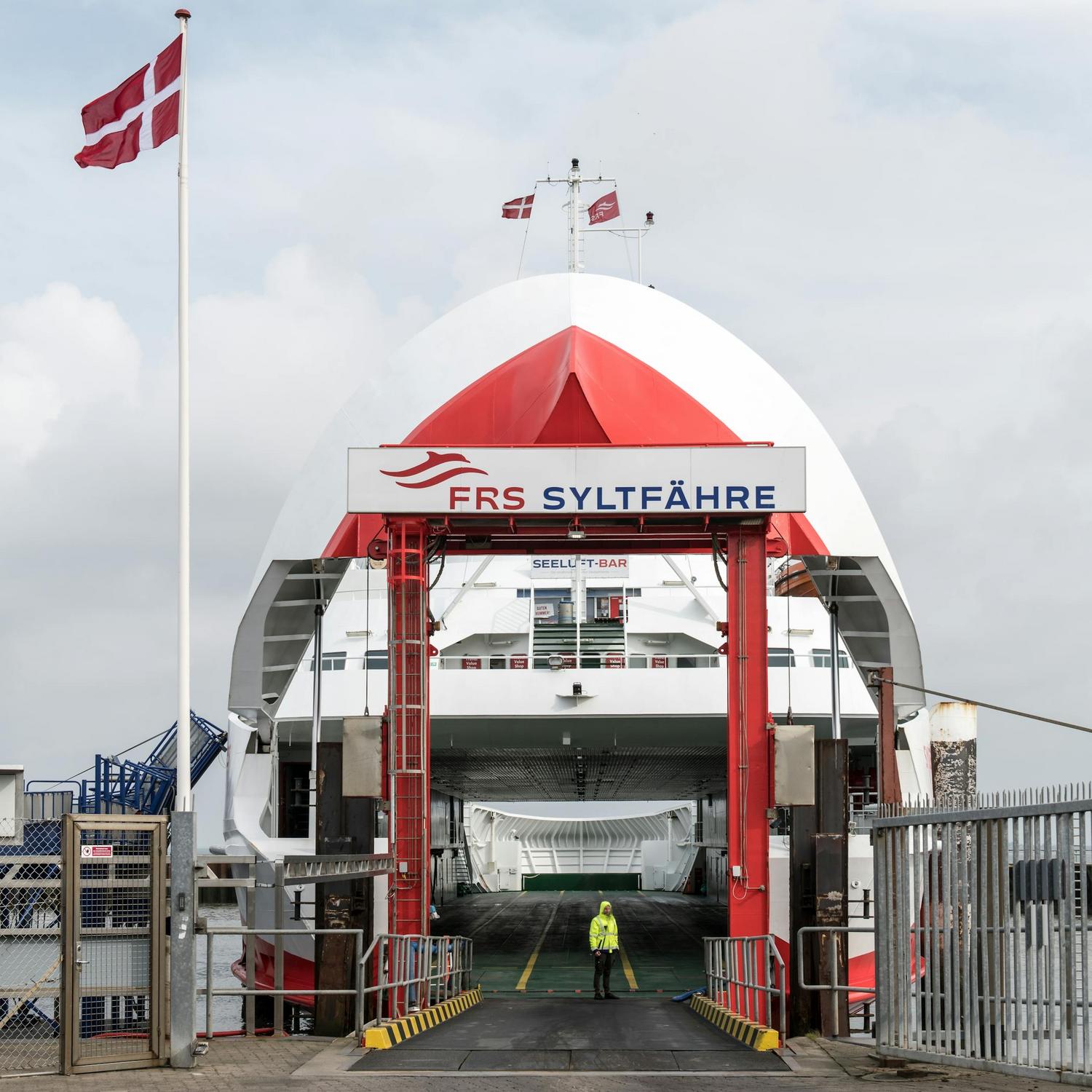
Getting to appointments, work, social activities, and community events shouldn’t feel like an impossible journey. Yet for NDIS participants living in Redlands—particularly those on Southern Moreton Bay Islands or North Stradbroke Island—transport remains one of the most challenging aspects of daily life. When your community is separated by water, when ferries dictate your schedule, and when local transport options are limited, accessing the supports you need becomes a complex coordination puzzle that many participants and their families navigate alone.
Redlands presents a distinctive geographic context unlike anywhere else in Queensland. Mainland suburbs like Cleveland and Victoria Point connect to Brisbane’s transport networks, whilst islands like Russell, Macleay, Lamb, and Karragarra depend entirely on ferry services for mainland access. This creates a dual transport challenge: participants need solutions that work across both environments, providers must deliver services across water, and funding must stretch to cover extended travel times and ferry costs that standard NDIS allocations weren’t designed to accommodate.
What Makes Redlands Transport Different for NDIS Participants?
Redlands occupies a unique position in Queensland’s disability services landscape. The region encompasses mainland areas accessible via Brisbane’s public transport network alongside multiple inhabited islands that depend entirely on ferry services for connection to healthcare, employment, and community supports.
North Stradbroke Island (Minjerribah) connects to the mainland through Toondah Harbour in Cleveland via a 25-minute passenger ferry or a 45-minute vehicle ferry. Sealink operates up to 14 daily passenger services, with return fares costing between $17-19 per person. Once on the island, participants navigate approximately 22 kilometres between the ferry terminal at Dunwich and key townships like Point Lookout, relying on bus services, taxis, or personal vehicles.
The Southern Moreton Bay Islands present even greater transport complexity. Russell, Macleay, Lamb, and Karragarra Islands connect through Weinam Creek Marina at Redland Bay, requiring a 10-minute water taxi journey or 40-60 minute vehicle ferry crossing. Passenger ferries depart approximately every 30 minutes, operating through SeaLink Bay Islands with payment via Go Card or cash.
This geographic reality fundamentally changes how NDIS transport funding works in practice. A participant living on Russell Island cannot simply catch a taxi to a Brisbane specialist appointment. Every mainland trip requires coordinating ferry schedules, accounting for wait times between services, and managing the compounding costs of multiple transport modes. The National Disability Services identified in their May 2018 report “Getting Transport on Track” that funding levels prove insufficient for frequent trips in areas with large distances, with Level 1 funding of $1,606 per year averaging only $4.40 per day—barely enough to cover a single mainland return ferry fare.
How Does NDIS Transport Funding Work in Regional Queensland?
Understanding NDIS transport funding requires recognising that the scheme provides three standard levels based on participant activity levels, not geographic location. This means island-based participants receive the same funding allocations as those living in accessible urban areas.
| Funding Level | Annual Amount | Intended For | Daily Average |
|---|---|---|---|
| Level 1 | Up to $1,606 | Participants not working/studying but seeking community access | $4.40 |
| Level 2 | Up to $2,472 | Part-time work/study (up to 15 hours/week) or day programs | $6.77 |
| Level 3 | Up to $3,456 | Working/studying 15+ hours/week, cannot use public transport | $9.47 |
These allocations cover four main funding mechanisms: general transport assistance (direct payments for taxis, rideshares, or community transport), support worker travel (funding for support workers to drive participants), activity-based transport (when transport is integral to accessing funded supports), and vehicle modifications such as wheelchair hoists, ramps, or hand controls.
What NDIS transport funding explicitly does not cover creates significant challenges for regional participants. Fuel, vehicle maintenance, insurance, and registration remain participant expenses. Public transport fares aren’t covered except when a support worker accompanies the journey. Family members’ transport costs fall outside funding scope. This creates particular hardship for island residents who must maintain vehicles capable of ferry transport or rely entirely on expensive taxi services and support worker time.
For providers delivering services to island-based participants, the NDIS pricing guidelines allow charging up to $0.99-$1.00 per kilometre for non-modified vehicles and $2.40-$2.76 per kilometre for wheelchair-accessible vehicles. Support worker travel time is claimable at standard hourly rates, with a maximum 30 minutes travel time per participant in MMM1-3 areas (which includes Redlands). However, when travel involves ferry crossings and extended island journeys, these maximums quickly become insufficient to cover actual delivery costs.
What Are the Specific Challenges for Island-Based NDIS Participants?
Southern Moreton Bay Islands residents face transport barriers that extend far beyond scheduling inconveniences. Ferry dependency creates cascading effects that impact every aspect of NDIS plan implementation.
Consider the reality of accessing mainland healthcare. A participant living on Macleay Island requiring a specialist appointment in Brisbane must first travel to the island’s jetty, wait for the next scheduled ferry departure (services run approximately every 30 minutes), complete the 40-60 minute crossing to Weinam Creek Marina at Redland Bay, then commence the additional 30-60 minute drive to Brisbane depending on traffic and appointment location. The return journey follows the same pattern. A single appointment can consume an entire day, with extended absences from home for participants requiring regular medical monitoring or therapy.
Local transport options on the islands remain minimal. Russell Island operates one taxi service (0408 785 218), whilst Macleay Island has its own taxi operator (0418 734 741). Community buses exist through organisations like the Lions Club Community Bus on Macleay Island, but services run on limited schedules primarily supporting specific community events rather than regular transport needs. Island Bus and Island Ride services have operated trial routes, yet capacity remains constrained relative to demand.
Emergency medical situations highlight the infrastructure gaps most acutely. Whilst two paramedics and two ambulances are stationed across Russell and Macleay Islands with fast water transport capabilities, non-emergency specialist care requires mainland travel. Medical centres and chemists operate on Russell and Macleay Islands for routine needs, but accessing disability-specific allied health professionals, equipment suppliers, and NDIS service providers overwhelmingly requires ferry-dependent travel.
The Queensland Government’s commitment of $488,000 for the Bayside and Redlands Transport and Mobility Study (2024-2025) acknowledges these challenges. With the region expected to grow by 74,500 people by 2046, transport infrastructure must evolve to meet increasing demand from both general population growth and the expanding NDIS participant base.
Which Transport Options Are Available for Redlands NDIS Participants?
Navigating transport options in Redlands requires understanding both NDIS-funded solutions and complementary government programs that together create a comprehensive mobility support network.
NDIS-registered transport providers operating in the broader Southeast Queensland region include Black & White Cabs, which offers over 100 years of service history and operates the DASH service with dedicated support managers and tracking capabilities. Get Chauffeured provides nationwide NDIS transport coordination using sedans and minibuses with transparent upfront pricing. Brisbane-based Univa operates wheelchair-accessible vans with person-centred support approaches. TransitCare, as a not-for-profit community transport provider with over 30 years of operation, coordinates both transport and social activities.
Moreton Bay-based provider Oceans of Support extends services into the Redlands region, offering NDIS-approved transport alongside community nursing, meal preparation, and respite care. Kuremara operates as a registered provider specifically covering Southeast Queensland including Redlands, delivering transport integrated with personal care and accommodation support. Here2Assist maintains wheelchair-accessible fleets with trained support workers who understand the unique requirements of disability transport.
The Queensland Taxi Subsidy Scheme (TSS) provides crucial supplementary support. Eligible participants receive a 50% subsidy up to $25 per taxi fare, with an additional $10 service call fee available. The Queensland Government has committed to continuing TSS support for NDIS participants, though participants cannot claim both TSS and NDIS funding for the same trip. This requires strategic planning about which funding source to apply for different journey types.
Community transport fills essential gaps. STAR Community Services provides community transport funding for individuals under 65 with disability who aren’t NDIS-eligible, with services extended to Southern Moreton Bay Islands residents. TransLink public transport operates bus and train services with concession options, though island residents must first complete ferry crossings to access these networks. Cleveland Train Station serves as the primary rail access point for mainland Redlands.
How Can Support Providers Navigate Ferry-Dependent Service Delivery?
Service providers delivering Supported Independent Living (SIL) or community access supports to island-based participants confront operational complexities that dramatically impact service economics and worker recruitment.
Transport costs in SIL arrangements require sophisticated coordination across multiple NDIS budget categories. Support workers driving participants to appointments, work, and community activities claim mileage costs at $0.99-$2.76 per kilometre depending on vehicle accessibility requirements. Support worker time is billed at agreed hourly rates for accompanying participants. The flexibility to access transport through Core supports, Capacity Building, and Activity-Based funding allows creative solutions, yet island-based delivery strains these mechanisms.
A practical example illustrates the challenge: a support worker travels from mainland Redlands to Russell Island to provide community access support. The provider incurs ferry fares for both the support worker and participant (approximately $17-19 return each), vehicle ferry costs if the participant requires wheelchair-accessible transport, extended travel time for the 40-60 minute ferry crossing plus land-based driving, and support worker wages for the entire journey duration. The NDIS pricing guideline maximum of 30 minutes claimable travel time per participant in MMM1-3 areas simply cannot accommodate the actual time required.
Recruitment of support workers willing to service island communities presents additional hurdles. Extended service delivery times mean workers complete fewer participant visits per shift, reducing their earning potential. Ferry schedules limit flexibility in appointment timing. Unpredictable weather conditions can disrupt island access, creating service reliability concerns. Some providers have responded by establishing island-based worker pools who live locally and travel to the mainland less frequently, though this constrains the available workforce to island residents willing to undertake disability support work.
What Solutions Exist for Overcoming Geographic Barriers?
Innovation in transport service delivery for Redlands participants increasingly combines traditional supports with technology platforms, community partnerships, and strategic funding approaches that maximise available resources.
Digital platforms transform transport coordination efficiency. Black & White Cabs’ DASH Service provides dedicated support managers, credit accounts, spending tracking systems, and low-balance alerts that help participants and plan managers monitor transport expenditure against allocated budgets. The Bay Islands App consolidates ferry times, events calendars, and trades/services directories specifically for Southern Moreton Bay Islands, enabling participants to plan mainland trips around ferry schedules and identify local service providers.
Web-based transport booking platforms facilitate vehicle sharing between disability providers, increasing utilisation rates and reducing per-participant costs. When multiple participants require mainland travel on similar schedules, coordinated bookings allow cost-sharing whilst maintaining individual funding accountability through the NDIS notional unit pricing system. A participant transported 26 kilometres in a modified vehicle might be charged 71.76 units at $1.00 per unit, with costs potentially distributed across multiple participants travelling the same route.
Community-based solutions leverage local networks and resources. Bay Islands Community Services operates community centres on Russell and Macleay Islands, creating local support hubs that reduce mainland travel frequency. The emerging Bay Island Disability Collective works to grow disability services accessibility directly on the islands. School transport infrastructure, including the Big Blue Bus and dedicated school ferries between islands, demonstrates that coordinated transport systems can successfully serve island populations when appropriately funded and managed.
Travel training programs represent a capacity-building investment that delivers long-term independence benefits. NDIS participants can access funding for travel training to develop public transport independence, learning to navigate ferry systems, coordinate multi-modal journeys, and build confidence in community access. Whilst island geography creates inherent complexity, many participants can achieve greater autonomy through structured skill development.
Vehicle modifications funded through NDIS capital supports—including wheelchair hoists costing $2,000-$8,000 or more, hand controls, swivel seats, and accessibility ramps—enable participants with personal vehicles to maintain independence despite island isolation. For participants with capacity to drive or family members willing to provide transport, these modifications prove transformative.
North Stradbroke Island benefits from more developed infrastructure than the Southern Moreton Bay Islands. The North Stradbroke Island Bus Service operates seven days per week connecting Dunwich, Amity Point, and Point Lookout. Stradbroke Cab Service provides personalised trips, whilst StradEasy Shuttle Bus offers ferry-to-accommodation transfers. Vehicle hire services are more readily available, creating transport flexibility for visiting support workers and participants alike.
Building Transport Solutions That Work for Island Communities
The future of NDIS transport in Redlands depends on recognition that standard funding formulas cannot adequately serve ferry-dependent communities without adaptations acknowledging geographic realities. Over 150,000 Australians currently receive NDIS transport funding nationally, with approximately 102,548 NDIS participants in Queensland as of December 2021. An estimated 34,000 NDIS participants are affected by rural transport funding limitations, according to National Disability Services research.
The Administrative Appeals Tribunal and Federal Court rulings in the McGarrigle case (2016-2017) confirmed the NDIA must fully fund reasonable and necessary transport in areas without viable alternatives. This legal framework provides island-based participants with recourse when standard transport allocations prove insufficient for ferry-dependent access. Participants working with Local Area Coordinators and support coordinators should explicitly document island geography, ferry costs, and extended travel requirements in plan reviews to ensure transport funding reflects actual needs rather than metropolitan assumptions.
The Queensland Government’s investment in the Bayside and Redlands Transport and Mobility Study signals government recognition that current infrastructure inadequately serves the region’s growing population. Multi-modal transport planning examining road networks, active transport options, and public transport systems must explicitly incorporate ferry-dependent island access to genuinely address community needs.
Advanced Disability Management understands that effective NDIS support in regional Queensland requires providers who comprehend geographic challenges and coordinate services accounting for ferry schedules, extended travel times, and the practical realities of island life. Transport isn’t merely about getting from point A to point B—it’s the foundation enabling employment access, healthcare engagement, social connection, and community participation that together create meaningful, independent lives.
Have questions? Need support? Reach out to us here at Advanced Disability Management.
Can I use my NDIS transport funding to pay for ferry fares in Redlands?
Yes, NDIS transport funding can cover ferry fares when the travel is related to accessing funded supports, attending appointments, or participating in employment, education, or community activities. Ferry costs fall under general transport assistance or activity-based transport categories. However, you cannot claim the same trip under both NDIS funding and the Queensland Taxi Subsidy Scheme. It’s important to document ferry expenses and work with your plan manager or support coordinator.
How much NDIS transport funding will I receive if I live on Southern Moreton Bay Islands?
NDIS transport funding levels are determined by your activity participation rather than your geographic location. Level 1 provides up to $1,606 annually, Level 2 up to $2,472, and Level 3 up to $3,456 annually. Island residents should discuss extended travel times, ferry costs, and limited local transport options during planning to ensure their funding reflects actual transport needs.
What transport options exist on the Southern Moreton Bay Islands for NDIS participants?
Options on the Southern Moreton Bay Islands include local taxi services (such as Russell Island Taxi Service and Macleay Island Taxi), limited community bus services, and ferry connections that provide access to mainland services. For specialist appointments and broader NDIS supports, participants typically rely on SeaLink Bay Islands passenger ferries combined with mainland transport services.
Will my support worker’s travel time be covered when they come to my island home?
Support worker travel time is claimable under NDIS pricing guidelines, but there are limitations. In MMM1-3 areas, only a maximum of 30 minutes per participant is claimable—even though ferry-dependent travel often exceeds this limit. Discuss travel time arrangements with your provider and consider negotiating adjustments or billing travel time against your core support budget.
Can I receive both the Queensland Taxi Subsidy Scheme and NDIS transport funding?
Yes, you can access both supports; however, you cannot claim both TSS and NDIS funding for the same individual trip. Many participants strategically use TSS for local mainland journeys while reserving NDIS transport funding for longer trips, ferry-dependent travel, or specialist appointments. It’s advised to work with your plan manager to determine the best approach for each journey.