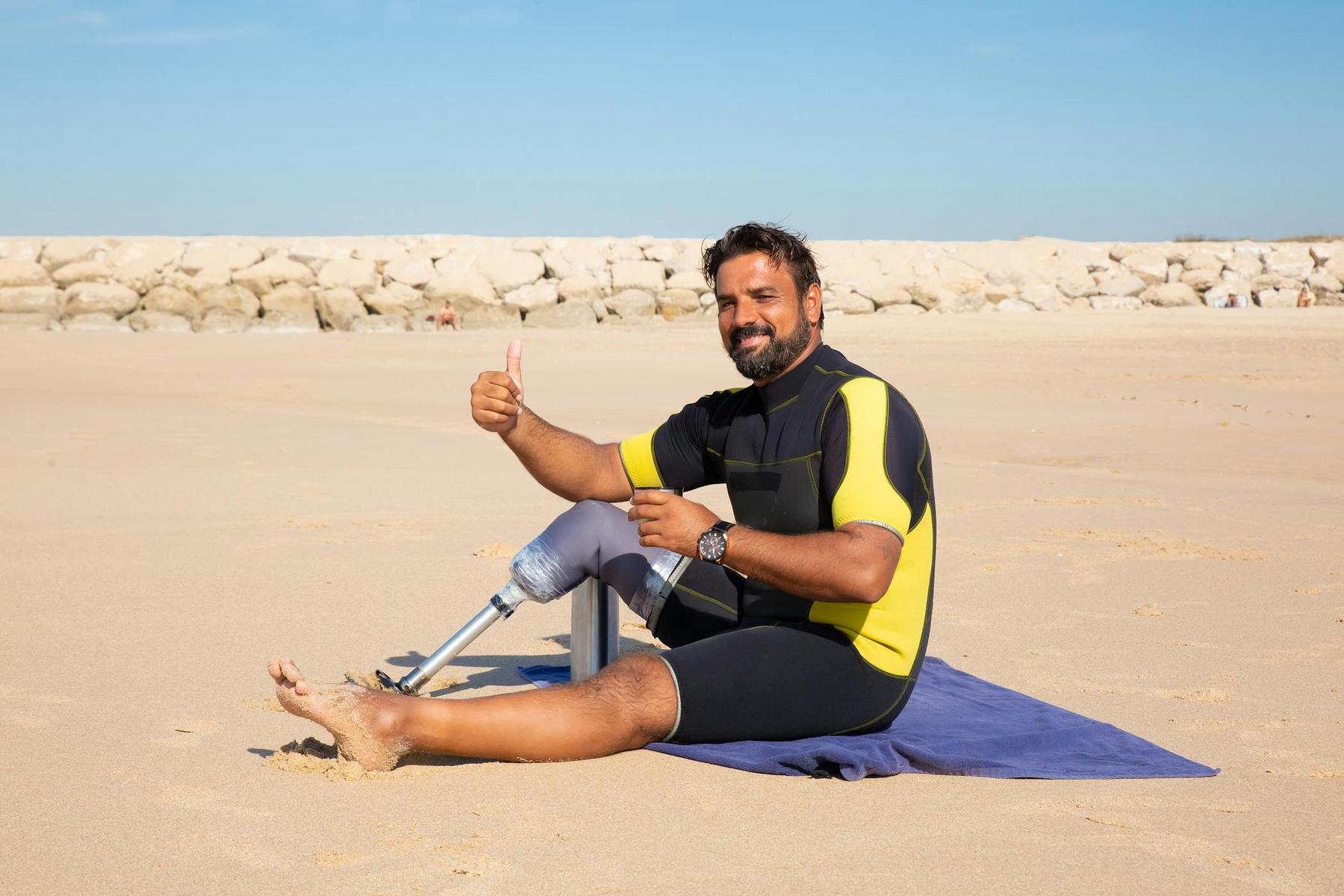
The sound of waves, the feel of sand, the freedom of water—these are experiences every Australian should enjoy, regardless of mobility or disability. Yet for thousands of people across Queensland, accessing the beach has remained an impossible dream, a barrier that separates them from one of our nation’s most cherished pastimes. The Redlands region is changing this narrative, transforming coastal access from privilege to right, and creating opportunities that celebrate inclusion rather than reinforce exclusion.
Accessible coastal activities represent more than recreational opportunities; they embody dignity, independence, and the fundamental right to participate fully in community life. When someone who hasn’t felt ocean water for 20 years finally floats freely in the waves, when a child with mobility challenges builds sandcastles alongside siblings, when families create beach memories together without barriers—these moments reflect the profound impact of truly inclusive design.
What Makes Redlands Beaches Disability-Friendly?
Redlands disability-friendly beaches stand apart through their comprehensive approach to accessibility, combining specialized equipment, trained support staff, and purpose-built infrastructure that removes traditional barriers to coastal enjoyment.
Wellington Point Recreation Reserve serves as the flagship location for the Accessible Beach Program, a partnership between Redland City Council and Surf Life Saving Queensland. Operating from September through April during lifesaving seasons, this program provides WaterWheels™ beach chairs-specialized wheelchairs designed specifically for sand and water navigation. These aren’t ordinary wheelchairs; they feature large, wide tyres that glide across soft sand and allow users to experience the water safely with carer support.
The commitment extends beyond equipment provision. Accessible parking spaces positioned close to beach access points eliminate the exhausting journey many wheelchair users face. Wheelchair-friendly pathways create seamless transitions from car parks to sand, whilst accessible showers and toilet facilities ensure dignity and comfort throughout the visit. The infrastructure follows Australian Standard AS 1428 specifications, with pathways measuring at least 1200mm wide for wheelchair users and 1500mm where two people need to pass.
Mayor Karen Williams and Division 1 Councillor Wendy Boglary have championed these initiatives as part of broader accessible tourism commitments, recognizing that building resilient, inclusive communities means ensuring everyone can access the natural environment.
Which Accessible Beach Facilities Are Available at Wellington Point?
Wellington Point Recreation Reserve offers a comprehensive suite of accessibility features that address the full spectrum of beach visit needs, from arrival through departure.
Core Infrastructure and Amenities:
| Facility Type | Specific Features | Availability |
|---|---|---|
| Parking | Multiple disabled parking bays (3.5m x 5.5m), close proximity to beach access | Year-round |
| Pathways | Wheelchair-friendly routes, minimum 1200mm width, firm surfaces | Year-round |
| Beach Access | WaterWheels™ beach chairs, online booking system | Sept–April, weekends/holidays |
| Sanitary Facilities | Accessible showers, toilets, changing facilities | Year-round |
| Support Services | Trained carers, lifeguard assistance, equipment orientation | During program hours |
| Amenities | Nearby accessible cafes, shaded rest areas, coastal viewing platforms | Year-round |
The online booking system at redland.qld.gov.au/accessiblebeach provides advance reservation for beach wheelchairs, ensuring equipment availability during your planned visit. This forward-planning approach eliminates the disappointment of arriving to find all equipment already in use—a common frustration at less-organized locations.
Carer support forms an integral component of the program. Trained personnel accompany users throughout their beach experience, facilitating safe water entry, providing reassurance, and ensuring proper equipment use. This human element transforms what might feel overwhelming into a supported, confidence-building experience.
Important considerations include tide times and weather conditions, which may affect program availability. Wellington Point’s relatively calm waters and gradual beach slope make it particularly suitable for first-time accessible beach users, offering a gentler introduction than exposed ocean beaches.
How Can People with Disabilities Access Water-Based Activities in Redlands?
The Redlands coast and broader Moreton Bay region offer diverse water-based activities specifically adapted for people with disabilities, extending far beyond simple beach access to encompass genuine aquatic participation.
Swimming and Aquatic Exercise
Water provides natural buoyancy that reduces stress on joints whilst supporting full-body movement. For people with mobility limitations, aquatic exercise offers cardiovascular benefits, improved muscular strength, and enhanced flexibility that land-based activities cannot match. The low-impact nature makes it suitable for various disability types, from cerebral palsy to spinal cord injuries, arthritis to muscular dystrophy.
Accessible swimming at Redlands beaches utilizes floating wheelchairs that allow partial submersion, creating the sensation of swimming whilst maintaining safety and support. The WaterWheels™ system features arm rests that enable users to float comfortably in waist-high water, experiencing the therapeutic and recreational benefits of ocean swimming.
Adaptive Kayaking and Canoeing
These highly adaptable water sports accommodate various disability types through specialized equipment modifications. Stable sit-on-top kayaks, outrigger systems, and adapted seating arrangements make paddling accessible to people with limited trunk control or lower limb mobility. The Moreton Bay region’s protected waters provide ideal conditions for beginners, with numerous launch points offering accessible facilities.
Sailability Programs
Queensland hosts eight Sailability clubs providing volunteer-run sailing programs for people with disabilities. These clubs supply specialized equipment, trained instruction, and support personnel who make sailing achievable regardless of physical limitations. The social connection and community belonging fostered through these programs extends benefits beyond the physical activity itself.
Accessible Fishing
Perhaps the most easily adapted coastal activity, accessible fishing requires minimal equipment modification. Specialized rod holders, adapted reels, and harness systems enable participation for people with limited hand function or mobility. Many Queensland locations feature wheelchair-accessible fishing platforms and jetties, with Wellington Point’s pier providing excellent accessible fishing opportunities.
What Specialized Equipment Is Available for Beach Access?
Understanding the range of specialized equipment available empowers people with disabilities to choose options that best suit their needs and activity preferences.
Beach Wheelchair Categories
Sand Cruisers represent the most common beach wheelchair type, featuring large, wide tyres that distribute weight across soft sand. These chairs excel at traversing the beach but are designed strictly for sand use, not water entry. Weight capacities typically reach 115kg, and most accessible beaches provide these free of charge through booking systems.
WaterWheels™ and Hippocampe chairs advance beyond sand-only designs, allowing users to enter the water safely. These floating wheelchairs partially submerge, with arm rests enabling users to float comfortably in waist-high water. The experience creates a genuine swimming sensation whilst maintaining safety and support—a game-changing feature for people who haven’t experienced water immersion in years.
Mobi-Chair® models represent premium floating wheelchair options, providing seamless transitions from pathways through beach to water. The high-quality construction and design refinements make these the gold standard for water access, though availability remains limited to well-resourced locations.
Sandpiper chairs serve children up to 80kg, offering sand-specific designs scaled appropriately for younger users. Family-friendly beaches increasingly stock these alongside adult models, enabling inclusive family beach days.
Beach Access Matting Systems
Permanent beach matting installations provide year-round accessibility, creating firm, slip-resistant surfaces extending from pathways across sand. Wellington Point features this infrastructure, whilst nearby Sutton’s Beach at Redcliffe installed permanent matting in 2020. These systems eliminate the primary barrier to beach access—soft sand that renders standard wheelchairs immobile.
Seasonal roll-out matting offers flexibility for locations concerned about severe weather damage. Deployed during peak seasons (typically September through May), this matting provides accessibility when needed whilst allowing removal before cyclone season. The Mobi-Mat® system represents professional-grade roll-out matting used across Queensland beaches, with minimum 2000mm widths accommodating wheelchair passage.
All-Terrain Mobility Aids
Beyond wheelchairs, all-terrain rollers assist people using walking aids who face challenges on sand. These devices reduce joint impact whilst providing stability on uneven surfaces, expanding beach access to people with partial mobility who don’t use wheelchairs full-time.
How Does NDIS Funding Support Coastal Activities?
The National Disability Insurance Scheme provides multiple funding pathways for beach access and coastal activities, enabling participants to include these experiences within their support plans.
Community, Social and Civic Activities form the primary funding category for beach outings. This Core Support covers transport to beach locations, accompaniment to coastal activities, supervision during beach visits, and general community participation support. Support workers can facilitate Wellington Point beach wheelchair bookings, provide transport, and accompany participants throughout their beach experience.
Social and Recreational Activities specifically fund beach outings, day trips, swimming lessons, and adaptive sports participation. This category recognizes recreation as essential to quality of life, not merely optional entertainment. Participants can include regular beach visits within their plans, building coastal activities into ongoing support arrangements rather than treating them as one-off special occasions.
Capacity Building supports fund life skills development related to water safety, confidence building in aquatic environments, and independence development for coastal activities. These investments create lasting capabilities, enabling participants to navigate beach environments with increasing autonomy over time.
Transport and Travel funding covers vehicle modifications, taxi vouchers for beach outings, specialized transport for group activities, and equipment transport needs. For participants without private vehicles, this funding ensures beach access remains achievable rather than theoretically available but practically impossible.
Discussing beach and recreational goals with Support Coordinators or Plan Managers ensures appropriate funding allocation. The Australian Government’s investment of $17.1 million from 2024-25 through 2027-28 via the Commonwealth Accessible Australia initiative demonstrates federal commitment to inclusive beach access, with funding covering up to 100 per cent of portable amenity costs for eligible locations.
What Health Benefits Come from Accessible Beach Experiences?
The health benefits of accessible beach experiences extend far beyond physical exercise, encompassing mental health, social connection, and overall quality of life improvements that research consistently validates.
Physical Health Outcomes
Aquatic exercise improves cardiovascular fitness through low-impact full-body movement. Water’s natural resistance strengthens muscles whilst buoyancy supports joints, creating ideal conditions for people with mobility limitations. Enhanced flexibility, improved balance, better circulation, and increased core stability emerge through regular water-based activity. Weight management becomes more achievable when exercise doesn’t aggravate existing conditions or cause pain that discourages participation.
The University of Melbourne disability study found accessible beach programs had “life-changing impacts on people with disability who were previously unable to access the beach.” Participants reported physical improvements alongside profound psychological benefits, demonstrating the interconnected nature of wellbeing.
Mental Health and Wellbeing
Social isolation affects approximately 60% of Australians aged 65 and over, with disability compounding this challenge. Accessible beach programs directly combat isolation by creating opportunities for community participation and social connection. Participants reported significant improvements in confidence and self-esteem, greater independence and autonomy, and effective stress and anxiety management through beach access.
Connection to natural environments provides therapeutic benefits well-documented across research literature. The sensory experience of coastal environments—the sound of waves, the feel of sand, the vastness of the ocean—creates psychological benefits that indoor activities cannot replicate. Participants described feeling “part of something completely unfathomable” when floating in the ocean, experiences that generated renewed perspective and improved overall life satisfaction.
Community Belonging and Social Participation
Perhaps most significantly, accessible beach programs foster genuine community belonging. When people with disabilities participate in the quintessentially Australian beach experience, they join rather than observe, belong rather than watch from the sidelines. This shift from exclusion to inclusion carries profound psychological weight, affirming worth and creating the sense of being valued community members.
One participant described their first accessible beach experience: “It was awesome! It was the first time I could feel the water around me and feel like I was actually swimming. It’s always been one of my dreams.” These aren’t mere recreational preferences—they represent fundamental human desires for participation, connection, and belonging that accessible infrastructure finally enables.
Creating Lasting Coastal Connections
The transformation of Redlands beaches from inaccessible barriers to inclusive community spaces represents more than infrastructure improvement—it embodies a fundamental shift in how Australian society understands disability, access, and belonging. Wellington Point’s Accessible Beach Program demonstrates what becomes possible when councils, community organizations, and disability advocates collaborate with genuine commitment to inclusion.
Approximately one in five Australians lives with disability, yet 26% cannot visit beaches at all, and over 60% cannot participate in preferred beach activities. These statistics represent not just missed recreational opportunities but systematic exclusion from community life, from family traditions, from the Australian coastal culture that defines our national identity.
The specialized equipment, trained support staff, and purpose-built infrastructure at Redlands disability-friendly beaches remove barriers that seemed insurmountable only years ago. From WaterWheels™ beach chairs enabling water immersion to permanent beach matting creating firm pathways across sand, from accessible facilities ensuring dignity and comfort to NDIS funding enabling regular participation—the elements combine to create genuinely inclusive coastal access.
The health benefits extend far beyond physical exercise, encompassing mental health improvements, social connection, community belonging, and the profound psychological impact of achieving what once seemed impossible. When someone floats in the ocean for the first time in decades, when families create beach memories together without barriers, when children with disabilities build sandcastles alongside their siblings—these moments represent the true measure of an inclusive society.
As February 2026 approaches the close of summer, the question isn’t whether people with disabilities deserve beach access—it’s how quickly remaining barriers can be dismantled and how many more Australians can finally experience the coast as their fundamental right rather than someone else’s privilege.
Have questions? Need support? Reach out to us here at Advanced Disability Management.
How do I book a beach wheelchair at Wellington Point Recreation Reserve?
Beach wheelchair bookings at Wellington Point are made through the Redland City Council website at redland.qld.gov.au/accessiblebeach. The online system allows advance reservations for WaterWheels™ beach chairs during the program’s operational period from September through April. Bookings are available for weekends, public holidays, and school breaks during lifesaving seasons. It’s advisable to book several days in advance during peak periods to ensure equipment availability, and always check tide times and weather conditions before your visit, as these factors may affect program availability.
Can NDIS funding cover support workers for beach activities in the Redlands area?
Yes, NDIS funding covers support workers for beach activities through multiple plan categories. Community, Social and Civic Activities (Core Support) funds transport to beach locations, accompaniment to coastal activities, and supervision during beach visits. Social and Recreational Activities specifically covers beach outings, day trips, swimming lessons, and adaptive sports participation. Capacity Building supports fund life skills development related to water safety and confidence building in aquatic environments. Discuss beach and recreational goals with your Support Coordinator or Plan Manager to ensure appropriate funding allocation within your NDIS plan.
What accessible beaches are located near Redlands for people with disabilities?
Beyond Wellington Point’s Accessible Beach Program, nearby accessible beaches include Sutton’s Beach at Redcliffe (featuring permanent beach matting installed in 2020, accessible parking, and nearby amenities), Woorim Beach on Bribie Island (offering beach matting and free beach wheelchair hire seasonally), and various Moreton Bay region beaches with developing accessibility features. The broader Queensland coast provides over 100 beaches with dedicated accessible features, with continuous expansion supported by significant state and federal investments in accessible tourism.
What safety measures should people with disabilities consider when visiting Redlands beaches?
Safety considerations for accessible beach visits include always swimming within patrolled areas between red and yellow lifeguard flags, informing lifeguards of any medical conditions upon arrival, utilizing the buddy system with a support person or carer (especially for first visits), checking weather forecasts and tide times before visiting, and knowing the location of nearest medical facilities. It’s also important to bring sun protection, personal medications, and to allow extra time for beach navigation and equipment orientation. Don’t hesitate to ask lifeguards or program staff for assistance—they’re trained to support accessibility needs.
Are there water-based activities beyond swimming available for people with disabilities in the Redlands region?
Yes, the Redlands coast and Moreton Bay region offer a variety of adapted water-based activities. These include adaptive kayaking and canoeing with specialized equipment modifications, volunteer-run Sailability programs for sailing, accessible fishing from wheelchair-accessible platforms and jetties (such as at Wellington Point’s pier), and surf awareness programs offered by organizations like the Disabled Surfers Association of Australia. These activities provide low-impact exercise, skill development, social connection, and community belonging.