Finding the right home shouldn’t be a barrier to living your best life. Yet for people with disability in Townsville and across North Queensland, accessing appropriate, purpose-built accommodation can feel like navigating an impossible maze. The good news? Specialist Disability Accommodation (SDA) through the NDIS offers genuine pathways to independence, safety, and dignity—and understanding your options is the first step toward making your housing goals a reality.
With Townsville’s population surging to 205,283 residents and projected to reach 264,899 by 2046, the housing landscape is rapidly evolving. For individuals with extreme functional impairment or very high support needs, knowing what’s available, how to access it, and what to expect can transform not just where you live, but how you live.
What Exactly is Specialist Disability Accommodation in Townsville?
Specialist Disability Accommodation represents far more than simply finding a place to sleep. It’s the ‘bricks and mortar’ capital component of disability accommodation supports funded by the NDIS, specifically designed and built to meet the unique requirements of people with significant disability.
Here’s what makes SDA fundamentally different from standard housing: every element—from doorway widths to ceiling reinforcements, lighting design to emergency systems—is purpose-built with specific functional impairments in mind. However, it’s crucial to understand that SDA funding covers only the physical home itself, not the support services or personal care provided within that home.
Currently, only 6% of NDIS participants receive SDA funding in their plans, with the NDIS allocating $700 million annually to fund these specialist accommodations. This selective eligibility reflects the programme’s focus on those with the most significant housing-related support needs who cannot be adequately supported in mainstream housing, even with modifications or assistive technology.
In Townsville specifically, 267 individuals currently have SDA funding or identified SDA need, with 241 places in enrolled dwellings and an additional 172 places in the development pipeline. This means the local market presents both opportunities and considerations for prospective applicants.
Which SDA Design Category Matches Your Support Needs?
Understanding the four distinct SDA design categories is essential for identifying which option aligns with your functional requirements and support needs.
Improved Liveability
Designed for participants with sensory, intellectual, or cognitive impairments, Improved Liveability homes incorporate enhanced lighting and contrast, wayfinding signage, level flooring throughout, and acoustic treatment for sensory sensitivities. The 2025-26 funding ranges from approximately $35,000 to $52,560 per year, depending on building type and location.
These homes feature simple, logical layouts that reduce confusion and support independent navigation, with lever-handle taps and door handles that accommodate reduced dexterity. Every design element serves the purpose of enabling greater autonomy for residents with cognitive processing differences.
Fully Accessible
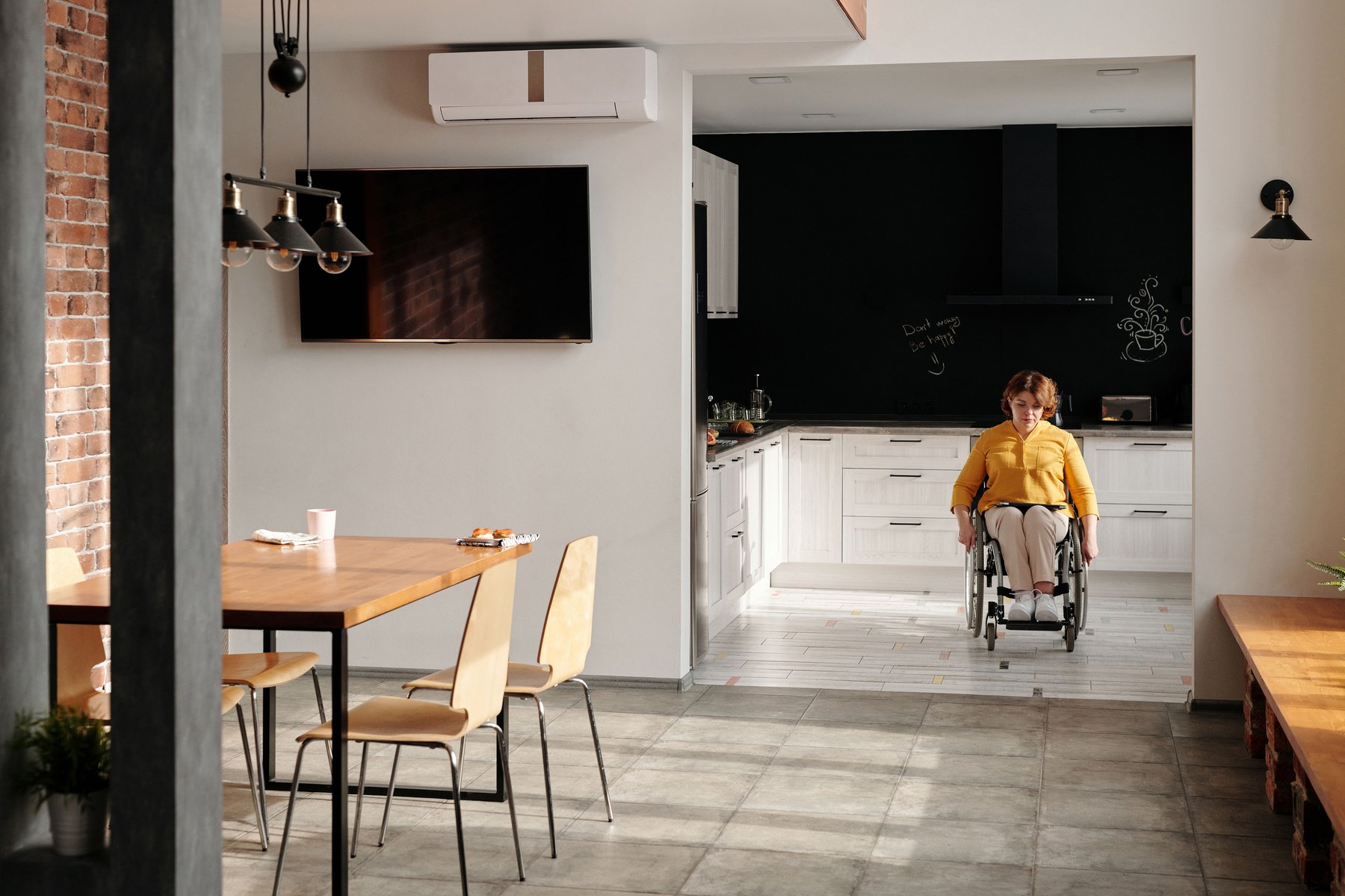
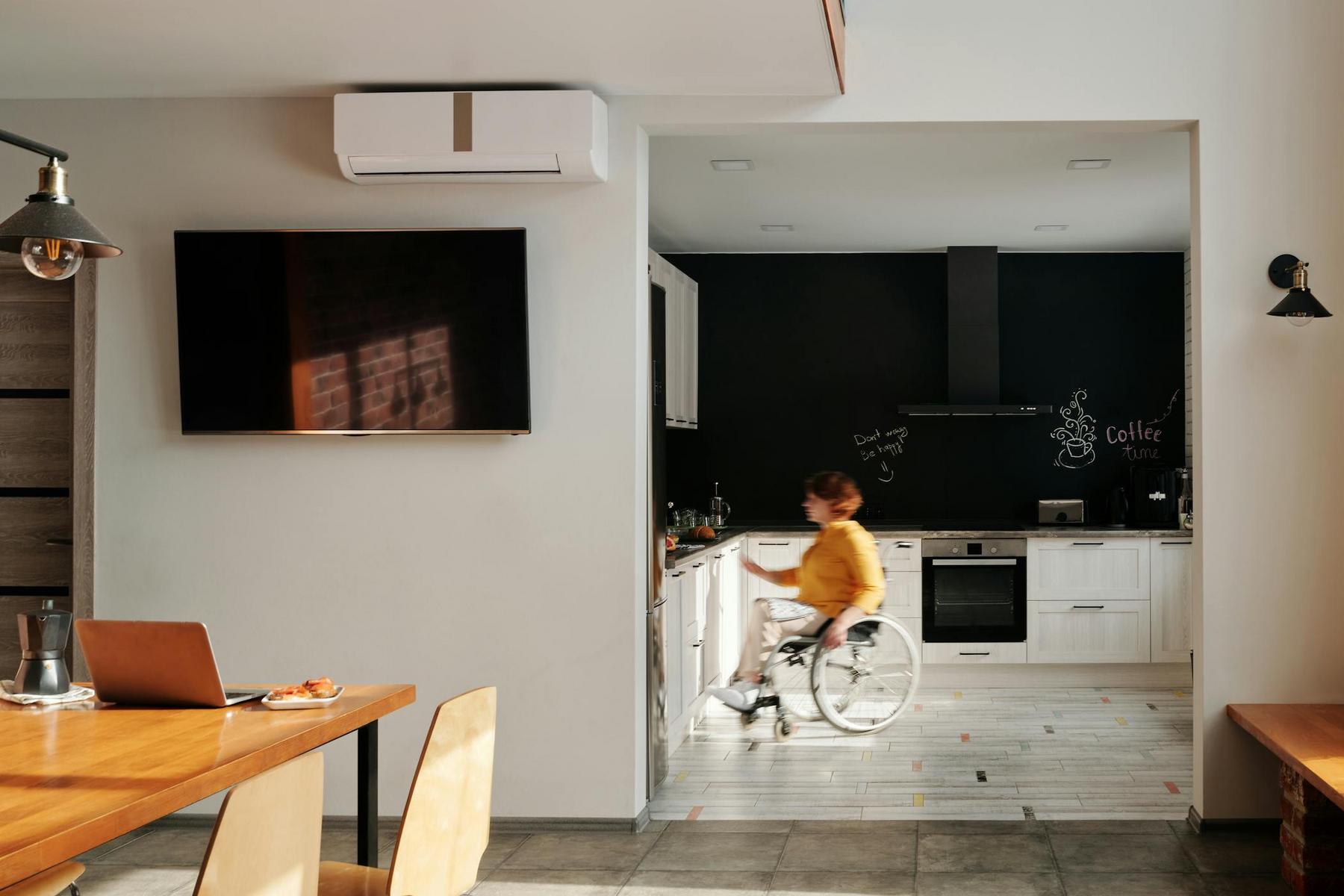
If you’re a wheelchair user or have significant mobility impairments, Fully Accessible SDA provides zero-step entry with ramp access, wide doorways and circulation spaces (minimum 1200mm), and fully accessible bathrooms and kitchens. Funding ranges from approximately $43,800 to $66,430 annually.
Space for wheelchair turning, height-adjustable countertops and fixtures, and accessible parking provisions ensure that physical barriers don’t limit your independence or participation in home life.
Robust Design
For participants with behavioural support needs or severe intellectual disability, Robust SDA incorporates impact-resistant materials, reinforced walls and fittings, secure windows and doors, soundproofing, and specialized safety features. Annual funding ranges from approximately $47,450 to $71,905.
The durable construction isn’t about creating institutional environments—it’s about providing homes that can withstand the specific challenges associated with complex behaviours whilst maintaining dignity and comfort.
High Physical Support
Representing the highest funding category at approximately $69,350 to $117,520 per year, High Physical Support SDA suits participants with conditions such as spinal cord injury, severe cerebral palsy, or muscular dystrophy. These homes feature ceiling hoists and tracking systems, reinforced floors and ceilings, automated doors and windows, emergency backup power systems, and structural provisions for extensive assistive technology.
Importantly, Townsville’s current SDA market shows approximately 60% of new and pipeline properties built to High Physical Support specifications—significantly higher than the 10% demand projections. This oversupply may provide increased choice for eligible participants in this category.
How Do SDA Funding and Participant Costs Actually Work?
The financial architecture of SDA involves both NDIS funding and participant contributions, creating a sustainable model that delivers high-quality specialist accommodation whilst remaining accessible to those who need it.
Understanding the Funding Framework
The NDIS pays SDA providers based on maximum price limits that vary according to design category, building type, and location. As Townsville is classified as Regional (not Metropolitan), price limits are approximately 5-10% higher than base rates, reflecting construction and operational realities in North Queensland.
| Design Category | 1-Bed Villa Annual Funding | 2-Bed Villa Annual Funding |
|---|---|---|
| Improved Liveability | $46,355 | $52,560 |
| Fully Accessible | $60,225 | $66,430 |
| Robust | $65,700 | $71,905 |
| High Physical Support | $97,455 | $107,675 |
These price limits are indexed annually on July 1, with the 2025-26 update including a 3.95% increase across most SDA payment rates.
Your Rent Contribution
Participants pay a reasonable rent contribution capped at approximately 25% of the Disability Support Pension base rate plus Commonwealth Rent Assistance—currently about $247 per week or $12,856 annually. This cap ensures rent remains affordable and predictable, regardless of the actual SDA funding amount.
You’ll also be responsible for utilities, food, groceries, and general living expenses, whilst the NDIS covers support services through separate Supported Independent Living (SIL) funding if approved in your plan.
What’s the Difference Between SDA and SIL, and Can You Have Both?
One of the most common sources of confusion involves distinguishing between SDA and Supported Independent Living. Think of SDA as your home’s foundation and structure, whilst SIL represents the hands-on support that helps you navigate daily life within that home.
SDA funds the physical dwelling—its specialized design features, accessibility modifications, and structural elements. SIL funds support workers who assist with personal care, cooking, cleaning, medication management, and skill development. Critically, these must be provided by separate organisations to avoid conflicts of interest.
Yes, you absolutely can have both SDA and SIL funding in your NDIS plan. Many participants with extreme functional impairment receive both, with SDA paying for their purpose-built home and SIL funding the support services that enable them to live there successfully. The funding streams are completely separate components of your NDIS plan.
For those in Townsville, verifying the availability of registered SIL providers in your preferred location is essential before committing to an SDA property, ensuring comprehensive support is accessible when you move in.
How Do You Apply for SDA Funding in Townsville?
Accessing SDA funding requires thorough preparation and compelling evidence that specialist housing is reasonable and necessary for your circumstances.
The Assessment Phase
Your journey begins with a comprehensive occupational therapy assessment, typically requiring 12-15 hours of evaluation time. This assessment examines your functional capacity, current housing barriers, assistive technology needs, and how SDA would enable greater independence and prevent long-term health deterioration.
Gather supporting documentation including medical reports, assessments from healthcare professionals, therapy recommendations, and evidence demonstrating how your current housing situation is unsuitable and impacting your quality of life.
Submitting Your Application
Complete the Home and Living Supports Request form and submit it with all supporting documentation to the NDIA via email, postal mail, or in person at NDIS offices. Working with a Support Coordinator can streamline this process significantly, ensuring all required evidence is comprehensive and clearly presented.
The NDIA review process typically takes 6-12 weeks, during which they assess whether SDA is reasonable and necessary, determine the appropriate design category, and approve or decline your request with detailed reasons.
Finding Your Property
Once approved, register your interest with SDA providers, search SDA housing directories, and review available properties matching your funding and design category. Consider location preferences—proximity to family, community connections, healthcare services, and employment opportunities all matter significantly.
Current Townsville market conditions, with 413 total places for 267 participants, suggest you may have more choice than in undersupplied markets. However, the design category mismatch (60% High Physical Support supply versus 10% demand) means participants needing other categories should prepare for potentially longer search times.
Timeline Expectations
From initial consultation to moving into SDA, expect 3-6+ months. This includes 4-8 weeks for occupational therapy assessment, 2-4 weeks for evidence gathering, 6-12 weeks for NDIA decision, and a highly variable property search period depending on availability and your preferences.
Why Choose Advanced Disability Management for Your NDIS Journey?
Whilst this article focuses on Townsville’s SDA landscape, navigating NDIS housing options doesn’t mean facing the complexity alone. Whether you’re in Cairns, Brisbane, or seeking guidance about disability housing anywhere in Queensland, Advanced Disability Management brings compassionate, expert support to every stage of your journey.
Founded on personal experience and driven by a mission to deliver five-star service, our team understands that appropriate housing forms the foundation of independence, dignity, and community participation. We work with individuals and families to understand their unique needs, connect them with appropriate resources, and advocate for outcomes that genuinely improve quality of life.
Our highly trained, compassionate team recognizes that every person’s housing journey is unique. From understanding eligibility criteria to gathering compelling evidence, navigating application processes to coordinating support services, we’re here to ensure you’re informed, empowered, and supported.
Making Informed Housing Decisions in North Queensland
Townsville’s disability housing market reflects both opportunities and complexities. The city’s record population growth of 3,850 new residents in 2024, coupled with major economic developments including the $5 billion CopperString 2032 renewable energy project and expanded Australian Defence Force presence, signals sustained regional growth.
However, broader housing challenges persist. With only 608 building approvals in 2024 compared to 1,105 in 2021, and just one new dwelling approved for every six adults seeking housing, the general shortage impacts disability housing development too. Rising construction costs, skilled trades shortages, and high insurance costs in North Queensland create barriers to expanding SDA supply.
For prospective SDA applicants, these dynamics mean starting your application process early, maintaining realistic timelines, and working with knowledgeable support providers who understand both NDIS systems and local market conditions.
The current oversupply situation, particularly in High Physical Support properties, may provide increased choice for eligible participants whilst the market adjusts to actual demand patterns. Staying informed about local developments and maintaining flexibility in property preferences can open additional opportunities.
Your Path Forward
Specialist Disability Accommodation in Townsville represents more than just housing—it’s about creating foundations for the life you want to live. Whether you need enhanced accessibility features, robust design for complex support needs, or high physical support infrastructure, understanding your options empowers better decisions.
The estimated $5 billion required nationally to fulfil SDA objectives by 2030 reflects genuine commitment to expanding choice and quality in disability housing. With approximately 50,000 NDIS participants expected to require specialist housing by 2030, the sector will continue evolving, improving, and responding to participant needs.
Your housing circumstances directly impact every other aspect of life—your health, independence, social connections, employment opportunities, and overall wellbeing. Investing time in understanding SDA eligibility, design categories, funding mechanisms, and application processes pays dividends in securing accommodation that genuinely supports your goals.
Remember that SDA approval depends on demonstrating extreme functional impairment or very high support needs, and clearly showing how specialist housing enables support delivery that wouldn’t be possible in mainstream housing. Strong occupational therapy assessments, comprehensive supporting documentation, and clear articulation of how SDA improves independence form the cornerstones of successful applications.
Can I choose my own housemates in SDA?
Yes, you have choice and control over living arrangements including housemates, though practical considerations like compatible support needs and schedules matter. Many SDA properties accommodate 1-3 residents, providing options for living alone or with chosen companions. Your SDA provider should support your preferences whilst ensuring safety and appropriate support delivery for all residents.
What happens if my support needs change after moving into SDA?
Your NDIS plan is reviewed regularly (typically annually), allowing adjustments to funding including SDA and SIL. If your needs decrease, you may transition to mainstream housing with modifications. If needs increase, you can request reassessment for a different SDA design category. Changes require new assessments and NDIA approval, so discuss anticipated changes with your Support Coordinator proactively.
Does SDA funding cover maintenance and repairs to the property?
Yes, the SDA provider is responsible for all maintenance, repairs, and compliance with the SDA Design Standard. This is covered within the SDA funding the NDIA pays the provider. As a tenant, you’re responsible only for your reasonable rent contribution, utilities, and care for the property as outlined in your tenancy agreement—similar to any rental arrangement.
How long does SDA funding last in my NDIS plan?
SDA funding continues as long as you remain eligible for NDIS support and continue to meet SDA eligibility criteria. It’s reviewed at each plan review (typically 12-24 months) to ensure it remains reasonable and necessary. Unlike short-term supports, SDA provides long-term housing stability for people with permanent disability requiring specialist accommodation throughout their lives.
Can family members provide my support services in SDA, or must I use registered providers?
For SIL funding (support services), you may be able to engage family members under certain circumstances, though this involves specific NDIS requirements and approval processes. However, SDA (the dwelling itself) must always be provided by a registered SDA provider. Many families find that separating housing from support services provides valuable respite and ensures consistent, qualified support whilst maintaining family relationships focused on love rather than care duties.