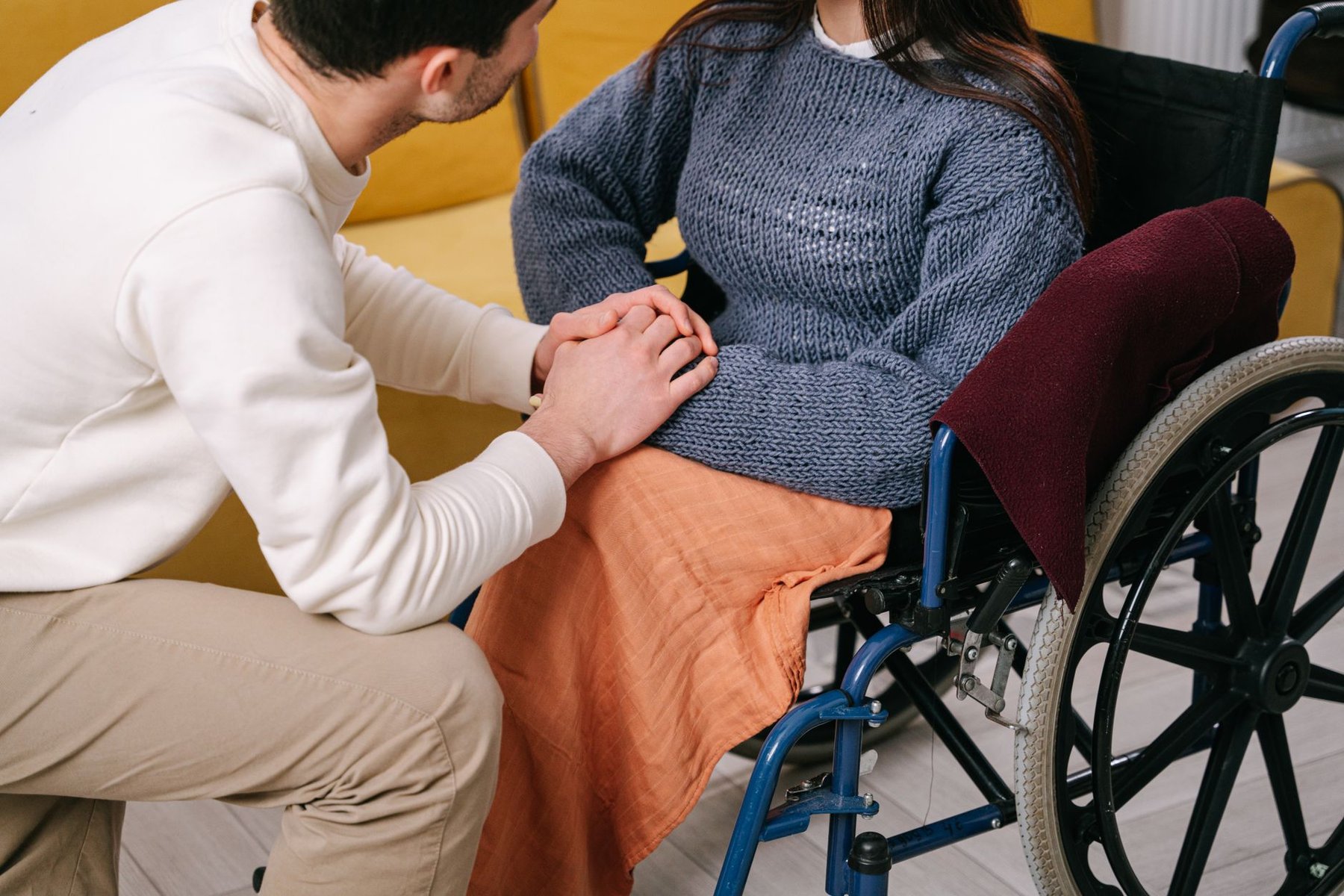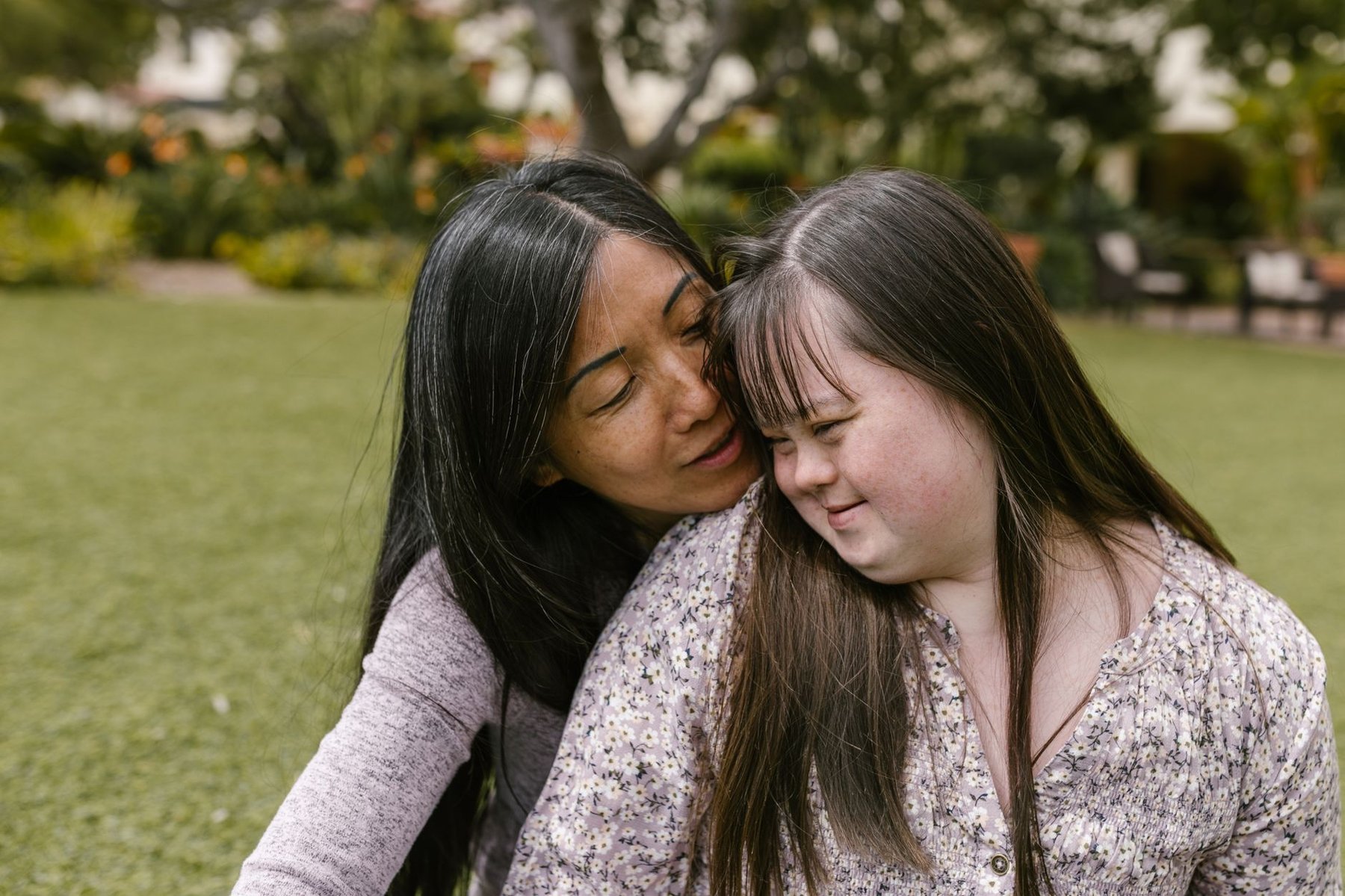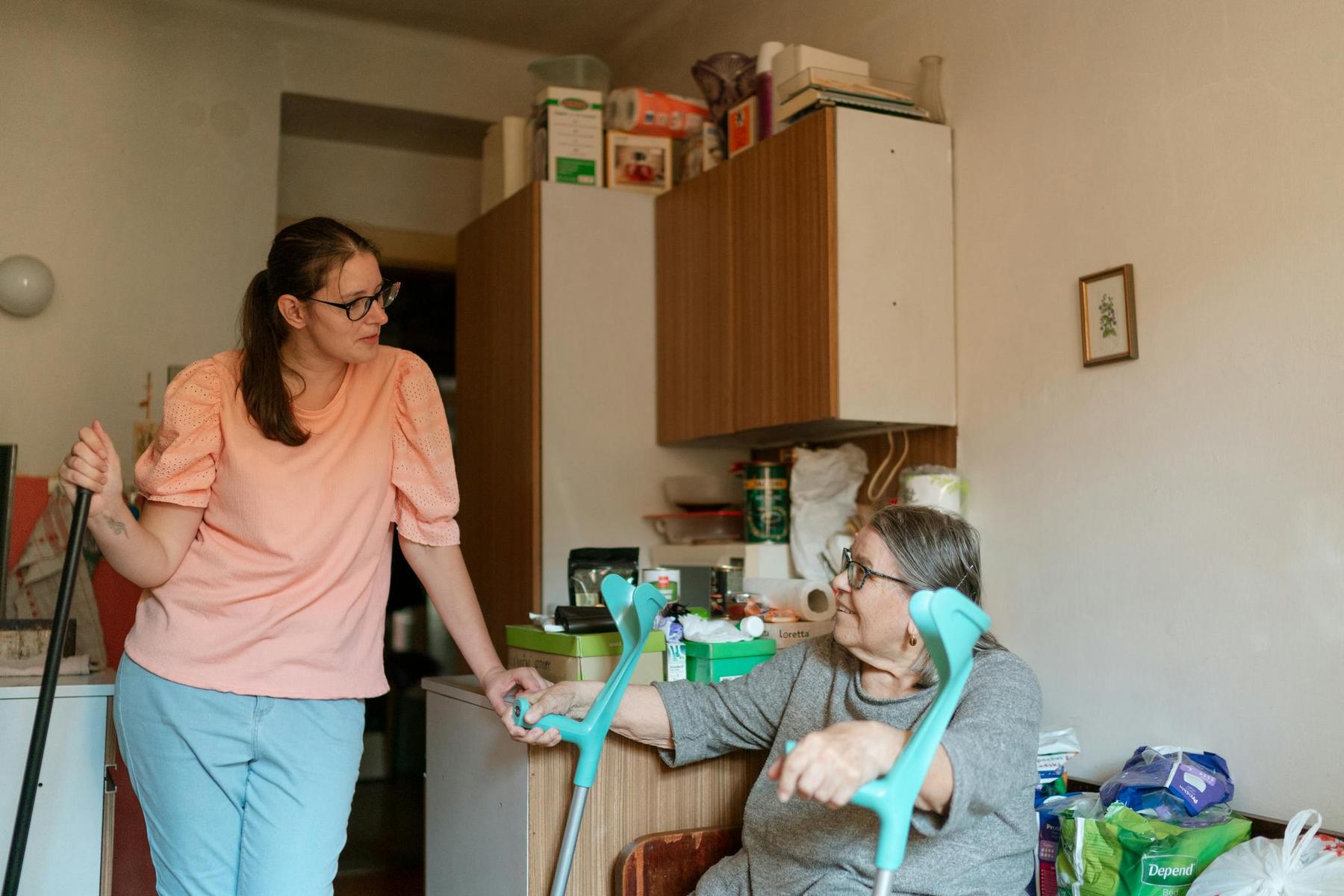
Life can change in an instant. Whether it follows a vehicle accident on a Far North Queensland highway, a stroke, or a sudden infection, an acquired brain injury (ABI) transforms not just one life – but the lives of everyone who loves that person. The challenges are real, they are complex, and they are deeply personal. But here in Cairns, meaningful support exists, and the National Disability Insurance Scheme (NDIS) can open doors to a life that still holds purpose, connection, and independence.
This guide is written for individuals living with an acquired brain injury in Cairns, their families, and their carers – people who are looking for clear, honest answers about what support is available and how to access it.
What Is an Acquired Brain Injury and How Does It Affect Daily Life?
An acquired brain injury is defined as any damage to the brain that occurs after birth. This distinguishes it from developmental or congenital conditions and covers an exceptionally broad range of causes – from traumatic brain injuries (TBI) caused by motor vehicle accidents, falls, or assault, to non-traumatic causes such as stroke, oxygen deprivation, brain tumours, infection, or neurodegenerative conditions like Parkinson’s disease.
Across Australia, up to 700,000 people are living with an acquired brain injury that affects their ability to participate in daily activities. Of these, approximately 160,200 are severely or profoundly affected and require daily support. Traumatic brain injury alone accounts for an estimated 190,000 to 200,000 cases per year in Australia, of which around 20,000 are moderate-to-severe.
Living with an acquired brain injury in Cairns presents a unique set of day-to-day challenges. Depending on the nature and severity of the injury, individuals may experience difficulties with:
- Memory and cognition – including problems with attention, planning, and executive function
- Communication – such as finding words, following conversation, or processing language
- Mobility and physical functioning – affecting coordination, balance, and strength
- Emotional and behavioural regulation – including irritability, depression, and personality changes
- Personal care – showering, dressing, preparing meals, and managing medications
These challenges do not exist in isolation. They ripple through relationships, employment, and community participation, making structured, compassionate support not a luxury – but a necessity.
Am I Eligible for NDIS Funding with an Acquired Brain Injury in Cairns?
Understanding NDIS eligibility is one of the most important first steps for anyone navigating life after a brain injury. The good news is that acquired brain injury is formally recognised under the NDIS framework, and 80% of ABI applications were successful in recent years.
To be eligible for NDIS funding with an acquired brain injury, individuals must meet all of the following criteria:
Age and Residency Requirements
- Aged between 7 and 65 years at the time of application
- An Australian citizen, permanent resident, or holder of a Protected Special Category Visa (PSCV)
- Currently living in Australia
Disability Criterion
The ABI must have caused a permanent impairment that substantially reduces functional capacity in one or more of the following areas:
- Learning
- Communication
- Mobility
- Social interaction
- Self-care
- Self-management
Brain injury appears on the NDIS Condition List A – conditions likely to meet disability eligibility requirements. A number of ABI-related conditions also appear on Condition List B, including Alzheimer’s dementia, vascular dementia, Parkinson’s disease, brain stem stroke syndrome, cerebellar stroke syndrome, and hydrocephalus caused by brain injury.
Crucially, brain injuries not listed do not automatically disqualify applicants. Evidence of permanent functional impairment is the deciding factor – not the specific diagnosis alone. This makes gathering quality supporting documentation absolutely essential.
For Cairns residents, the NDIA office is located at 15 Lake Street, Cairns, and Mission Australia’s Local Area Coordination (LAC) service is based at 379 Little Spence Street, Bungalow, with additional locations in Mareeba, Innisfail, Edmonton, and Yarrabah. You can also contact the NDIS directly on 1800 800 110.
What NDIS Supports Are Available for Acquired Brain Injury in Cairns?
The NDIS funds a wide range of supports for people living with an acquired brain injury. These are structured across three budget categories: Core Supports, Capacity Building Supports, and Capital Supports. Understanding what falls within each category helps participants make the most of their NDIS plan.
| Support Category | Examples for ABI Participants | Goal |
|---|---|---|
| Core Supports | Personal care, domestic assistance, community participation, transport | Meet daily and immediate needs |
| Capacity Building | OT, speech pathology, physiotherapy, life skills training, support coordination | Build long-term independence |
| Capital Supports | Assistive technology, home modifications, Specialist Disability Accommodation (SDA) | Improve accessibility and safety |
| Supported Independent Living (SIL) | 24/7 residential support with trained workers | Enable independent living with supervision |
| High-Intensity Daily Personal Activities (HIDPA) | Tracheostomy care, ventilator management, severe dysphagia support | Complex medical needs management |
Transport assistance is particularly relevant in Cairns given the region’s geographic spread and limited public transport. NDIS transport funding ranges from $1,784 annually for accommodation-based travel to $3,456 for participants requiring full-time transport support.
It is worth noting what the NDIS does not cover – including medication, general medical and dental treatment, hospital care, surgery, and rehabilitation provided through the Queensland health system. The general principle is that state health services cover acute treatment until a condition stabilises, after which the NDIS steps in to fund ongoing disability-related supports.
For ABI participants with the most complex needs, average plan values often exceed $200,000 per year, and the average payment per ABI participant across Australia reached $166,600 for the year ending 30 June 2025 – a 5.9% increase from the prior year.
How Do I Apply for NDIS Support for an Acquired Brain Injury in Cairns?
The NDIS application process can feel daunting, particularly for those managing the cognitive effects of a brain injury. Breaking it down into clear steps makes it far more manageable.
Step 1: Confirm Your Eligibility
Use the NDIS eligibility checklist and contact the NDIA or your local LAC (Mission Australia, 1800 860 555) for guidance before submitting anything.
Step 2: Gather Supporting Evidence
Collect recent documentation – ideally from within the past 12 months – including:
- Specialist reports from neurologists, psychiatrists, or paediatricians
- Allied health assessments from occupational therapists, speech pathologists, or physiotherapists
- Functional capacity evaluations detailing specific challenges with daily activities
- Medical records showing diagnosis and treatment history
Step 3: Submit Your Access Request Form
This can be completed by calling 1800 800 110, working with a Local Area Coordinator, or via your GP or existing support workers.
Step 4: Wait for the Assessment Decision
Standard processing takes 21 days from submission of a complete Access Request Form, though complex cases can extend to 120 days.
Step 5: Attend Your Planning Meeting
If approved, you’ll receive an access decision letter and attend a planning meeting to outline your goals. Requesting a Support Coordinator at this stage is strongly recommended for ABI participants, given the complexity of managing multiple supports.
If an application is rejected, you have 3 months to request an internal review, and a further 28 days to escalate to the Administrative Appeals Tribunal if needed.
What Does Recovery Look Like When Living with an Acquired Brain Injury?
Recovery after an acquired brain injury is not a straight line – and it rarely has a fixed endpoint. Research consistently shows that recovery can continue for at least 2 to 5 years after injury, and sometimes longer. The most rapid improvements typically occur in the first 3 to 6 months, but meaningful gains continue well beyond this period.
Key findings from community rehabilitation research reveal that recovery is driven by two overlapping processes: early spontaneous recovery (as temporary physiological changes resolve) and longer-term improvement through new learning and compensatory strategies.
Queensland offers a robust network of rehabilitation pathways, including:
ABI Transitional Rehabilitation Service (ABI TRS)
A specialist, goal-directed community rehabilitation service supporting the transition from hospital to home. Locally, this service has demonstrated that increasing access to vocational rehabilitation early in recovery improves long-term employment outcomes – important given that only 40% of adults globally who survive brain injury return to work.
ABI Outreach Service (ABIOS)
A community-based rehabilitation service helping Queenslanders with ABI, their families, and carers access appropriate services and achieve improved quality of life.
STEPS Program
A statewide self-management skills group for adults aged 18–65 with adult-onset ABI, open to families and friends.
Metro North Brighton Brain Injury Service
Specialist inpatient neurorehabilitation for moderate to severe ABI.
Effective rehabilitation uses an interdisciplinary approach – bringing together occupational therapists, physiotherapists, speech pathologists, psychologists, and support workers in close partnership with the individual and their family. Research confirms this model produces the most meaningful functional gains for those living with an acquired brain injury.
Living Well with an Acquired Brain Injury in Cairns: The Role of Day-to-Day Support
Beyond formal rehabilitation, daily living support is where quality of life is truly built – or lost. For people living with an acquired brain injury in Cairns, access to consistent, trained support workers makes an extraordinary difference to safety, wellbeing, and confidence.
Practical support can include:
- Assistance with showering, grooming, and dressing
- Medication reminders and routine structuring
- Meal preparation and safe kitchen use
- Memory prompts, planning tools, and appointment management
- Community access support – attending exercise groups, social activities, appointments, and cultural events
- Emotional support and behaviour-informed assistance for managing mood and fatigue
Cairns also benefits from a growing number of culturally appropriate services for Aboriginal and Torres Strait Islander community members living with an acquired brain injury, incorporating traditional healing practices and cultural protocols – a recognition that effective support must respect the whole person.
Finding Your Path Forward: ABI Support in Cairns and Beyond
Life after an acquired brain injury is genuinely different – but different does not mean diminished. With the right supports in place, people living with an ABI in Cairns are building meaningful routines, re-engaging with their communities, and pursuing goals that matter to them.
The NDIS, when navigated well, is a powerful tool. It funds not just the practical necessities of daily life, but the therapies, skills development, and community connections that allow individuals to grow beyond their injury – rather than simply being defined by it.
The key is understanding what you are entitled to, gathering the right evidence, and connecting with support providers who genuinely understand the complexity of acquired brain injury. In Cairns and Brisbane, that means choosing providers with trained, compassionate teams who see the whole person – not just the diagnosis.
Have questions? Need support? Reach out to us here at Advanced Disability Management. Our compassionate, experienced team is here to walk alongside you – whether you’re just beginning your NDIS journey or looking for more specialised support to help you live your best life in Cairns or Brisbane.
What is the difference between a traumatic brain injury and an acquired brain injury?
A traumatic brain injury (TBI) is caused by an external physical force such as a motor vehicle accident, fall, or assault, whereas an acquired brain injury (ABI) includes both traumatic injuries and non-traumatic causes like stroke, oxygen deprivation, infection, tumours, and neurodegenerative conditions. Essentially, all TBIs are a form of ABI, but not all ABIs are traumatic in origin.
Can I access the NDIS in Cairns if my brain injury is mild to moderate rather than severe?
Yes, eligibility is determined by the functional impact of the injury rather than its clinical classification. If a mild or moderate brain injury causes a permanent impairment that substantially reduces the ability to manage daily activities, an individual may still meet the NDIS access criteria. Supporting evidence from allied health professionals is particularly important.
How long does it take to get an NDIS plan approved for an acquired brain injury in Cairns?
Standard processing time is around 21 days from the submission of a complete Access Request Form. However, more complex cases that involve multiple conditions or require additional evidence can take up to 120 days. Working with a Local Area Coordinator can help streamline the process.
What NDIS supports can help someone living with an acquired brain injury to regain independence?
The NDIS funds a range of capacity building supports aimed at increasing independence, including occupational therapy, physiotherapy, speech pathology, psychology, life skills training, support coordination, and employment support. For ongoing, intensive assistance, Supported Independent Living (SIL) provides 24/7 trained support in a residential setting.
Where can I find NDIS Local Area Coordination support for acquired brain injury in Cairns?
Mission Australia offers Local Area Coordination (LAC) services throughout the Cairns region. Their main office is located at 379 Little Spence Street, Bungalow, with additional locations in Edmonton, Mareeba, Innisfail, and Yarrabah. For further assistance, you can also contact the NDIA office at 15 Lake Street, Cairns or call the national NDIS enquiries line at 1800 800 110.