Imagine walking into a room where the lights are too harsh, the background noise feels like it’s pressing in from every direction, and the air carries a smell that’s impossible to ignore. For many autistic individuals, this isn’t an occasional inconvenience – it’s the reality of navigating everyday life. Sensory processing differences are among the most significant and consistent experiences for people on the autism spectrum, profoundly shaping how they engage with their surroundings, their communities, and the people they love.
For families, carers, and individuals in Cairns and Brisbane seeking genuine, practical support, understanding sensory-friendly spaces and activities for autism is not simply helpful – it’s transformative. This guide brings together the latest evidence, local resources, and actionable strategies to help autistic individuals thrive in the Far North Queensland environment and beyond.
Why Do Sensory Processing Differences Make Autism Support So Important?
Sensory processing difficulties are not a minor or peripheral feature of autism spectrum disorder (ASD). According to Aspect Australia, up to 96% of autistic people experience sensory processing difficulties as part of daily life. Research published through the National Institutes of Health places the prevalence of sensory processing impairments between 42% and 88% of people with ASD, while the STAR Institute reports that at least 75% of children with ASD present significant symptoms of Sensory Processing Disorder.
These figures underscore a fundamental truth: sensory support is not optional – it is central to wellbeing, independence, and meaningful community participation for autistic individuals.
Sensory processing differences fall broadly into two categories. Hypersensitivity (over-responsiveness) may cause intense distress in response to sounds, lights, textures, smells, or crowds that most people barely notice. Hyposensitivity (under-responsiveness) leads individuals to seek out additional sensory input – often through movement, touch, or sound. Importantly, a person may be hypersensitive to some stimuli and hyposensitive to others simultaneously, making individualised support absolutely essential.
When environments are not designed with these realities in mind, autistic individuals face barriers to learning, socialising, and independent living. When they are thoughtfully designed, the difference is profound.
What Makes a Space Truly Sensory-Friendly? Design Principles That Matter
Creating genuinely sensory-friendly spaces in Cairns for autism support involves far more than dimming the lights. Evidence-based design draws on frameworks including the British Standards Institution PAS 6463, Building Bulletin 102, and guidance from Amaze Australia to address all sensory domains.
Lighting
Harsh, flickering, or overly bright lighting can be physically painful for individuals with photosensitivity. Best-practice sensory design uses dimmable LED lighting with diffuse light sources, avoids fluorescent fittings, and allows user control over intensity. In Cairns’ tropical environment, abundant natural light requires careful management – shade structures, high-level windows, and diffusing materials all help prevent glare.
Acoustics
Unexpected sounds, background noise, and mechanical hum are among the most distressing sensory triggers for autistic individuals. Effective acoustic design incorporates sound-absorbing materials – carpet, acoustic panels, soft furnishings – and separates high-stimulus areas (music, craft, social activity) from low-stimulus zones (focused learning, therapy, quiet rest).
Colour and Visual Environment
Sensory-friendly visual environments use soft, natural colour palettes – whites, off-whites, muted blues and greens – and minimise visual clutter. Busy patterns, bright contrasting colours, and excessive signage can overwhelm and disorient. Clear, organised spatial layouts create a sense of predictability that significantly reduces anxiety.
Sensory Rooms and Quiet Reset Spaces
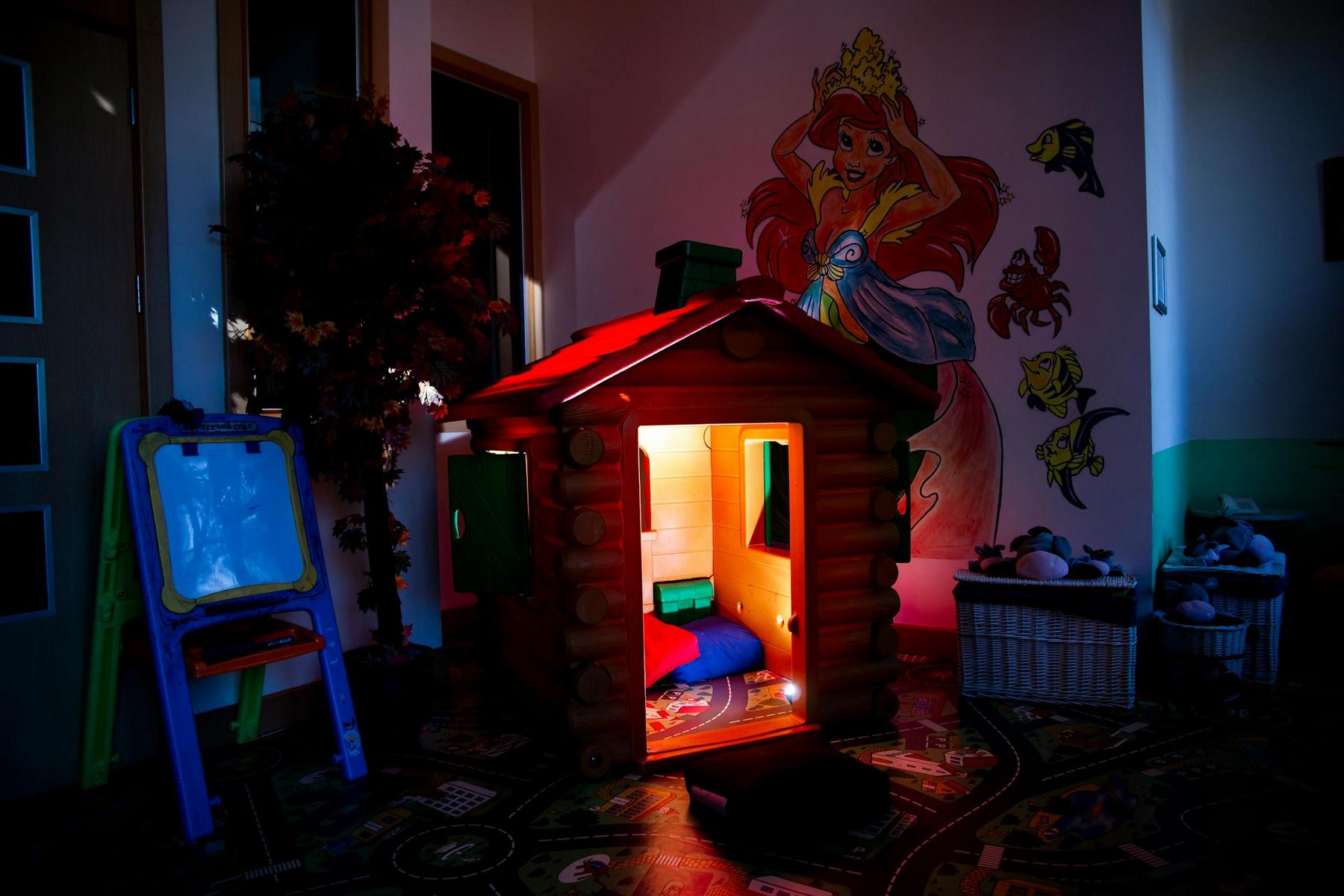
Perhaps the most critical feature of any sensory-inclusive setting is a dedicated quiet space – sometimes called a sensory room, chill-out zone, or reset room. These spaces allow individuals to regulate their sensory experience and recover from overload. Essential features include:
- Adjustable lighting and sound control
- Varied seating (floor cushions, beanbags, supportive chairs)
- Sensory tools such as weighted blankets, fidget items, and noise-cancelling headphones
- Temperature control – particularly important in Cairns’ humidity
- Clear, easy access with consistent signage
Where Can Autistic Individuals Find Sensory-Friendly Activities in Cairns and Queensland?
One of the most encouraging developments in recent years has been the growth of sensory-friendly offerings across Queensland communities. The table below summarises key categories of sensory-friendly activities and community spaces available across Cairns and broader Queensland.
| Activity/Setting | Sensory-Friendly Features | Availability |
|---|---|---|
| Quiet Shopping Hours (Coles, Woolworths, Westfield) | Dimmed lights, reduced register/music volume, lower crowds | Weekly, set hours |
| Queensland Museum / QAGOMA (Brisbane) | Low-sensory sessions, quiet zones, sensory backpacks, noise-cancelling headphones | Dedicated sensory sessions |
| Sensory Cinema Screenings (Event Cinemas, Hoyts) | Dimmed lighting, low volume, freedom to move, reduced advertising | Monthly, typically Sundays |
| Autism Queensland – Cairns Centres | Specialist therapy, school programmes, social connection groups | Monday–Friday |
| Parks and Nature Trails (Brisbane) | Accessible paths, braille/raised text signage, quiet natural environments | Open access |
| Gamely Connect (Caboolture South) | Neurodiverse-focused gaming social sessions, structured environment | Weekly, multiple sessions |
| Specialised Swimming Programmes (Brisbane) | OT-informed aquatic programmes for ASD | Scheduled sessions |
| Therapeutic Horse Riding (Brisbane) | Sensory-supportive, anxiety-friendly equine therapy setting | By appointment |
In Cairns specifically, Autism Queensland operates two local centres – in Bungalow and Edmonton – providing speech therapy, occupational therapy, psychology, social connection groups, and specialist school programmes. These centres are NDIS-registered and serve families across Cairns, Atherton, Innisfail, and surrounding communities.
For outdoor sensory experiences, Cairns’ natural environment offers a genuinely remarkable asset. Rainforest walks, waterways, and green spaces provide calming, multi-sensory environments that can support regulation – provided heat, shade, and noise considerations are thoughtfully planned.
How Can NDIS Funding Support Access to Sensory-Friendly Activities in Cairns?
The National Disability Insurance Scheme (NDIS) plays a vital role in enabling autistic individuals to access sensory-friendly spaces, therapies, and activities in Cairns. Understanding how NDIS funding applies to sensory support is essential for families and individuals navigating the system.
NDIS support categories relevant to sensory needs include:
Core Supports
Daily living assistance, community access, social participation, and transport funding can all be used to support engagement with sensory-friendly activities and community spaces.
Capacity Building Supports
This category funds occupational therapy (OT) assessments and interventions – an important resource, as OTs can assess individual sensory profiles, develop personalised sensory strategies, and recommend environmental modifications. It also funds life skills development and specialist support coordination.
Capital Supports
Assistive technology funding can cover items such as noise-cancelling headphones, weighted blankets (noting individual needs vary – seek guidance from a qualified therapist), and other sensory tools.
The NDIA maintains offices in Cairns at 15 Lake Street and at Hambledon House, Edmonton. Mission Australia provides Local Area Coordination (LAC) services from Bungalow, with satellite offices in Mareeba, Innisfail, and Yarrabah to support regional communities.
For families new to the NDIS or seeking guidance on what supports may be available, the National Autism Helpline (Autism Connect) is a free and confidential resource, reachable on 1300 308 699, Monday to Friday, 8am–7pm.
What Everyday Strategies Help Autistic Individuals Navigate Sensory Challenges?
Alongside formal environmental design and professional support, practical everyday strategies make a meaningful difference for autistic individuals managing sensory challenges in Cairns.
Strategies for Hypersensitivity
- Visit busy environments at quieter times to build tolerance gradually
- Use noise-cancelling headphones or earmuffs in loud settings
- Wear sunglasses or use shading in bright outdoor environments
- Prepare individuals in advance for new sensory environments using social stories or visual supports
- Plan “calm days” to counterbalance sensory-demanding experiences
- Speak clearly and directly, avoiding figurative language that adds cognitive load
Strategies for Hyposensitivity
- Incorporate regular physical activity such as walking, jumping, or swimming
- Provide access to tactile tools like playdough, squishy balls, and textured objects
- Allow and support preferred repetitive movements (stimming) as a natural form of self-regulation
- Structure outdoor time and active play into daily routines
Building Sensory Breaks Into Daily Routines
Regular sensory breaks, sometimes called a “sensory diet,” are a research-supported strategy for supporting self-regulation throughout the day. By teaching individuals to recognise when they need a break and providing accessible, low-stimulus spaces to retreat to, families and support workers can significantly reduce the risk of sensory overload.
How Does Cairns’ Tropical Climate Shape Sensory-Friendly Design?
Cairns’ tropical climate presents both opportunities and unique challenges for sensory-friendly space design. The region’s warmth and lush natural landscapes offer calming outdoor settings, but the heat, humidity, heavy rainfall, and intense sunlight require careful planning.
Effective outdoor sensory-friendly spaces in Cairns prioritise substantial shade structures, passive cooling, and ventilation to manage temperature and air quality. Noise considerations, such as rain on metal roofing, are addressed through acoustic insulation and thoughtful design.
Queensland’s natural beauty, including rainforest environments and coastal landscapes, can serve as powerful sensory resources when accessed with appropriate support. Nature-based sensory experiences—the textures of leaves, the sound of flowing water, and the visual calmness of green spaces—can play an important role in emotional regulation.
Sensory Support in Cairns Is an Ongoing Journey
Understanding and supporting sensory needs in autism is not a one-time intervention. It is a continuous, collaborative process that evolves as individuals grow, environments change, and knowledge deepens. The most effective sensory-friendly spaces are those that involve autistic individuals and their families in their design, incorporate regular feedback, and adapt over time.
Every person on the autism spectrum has a unique sensory profile. Personalized, compassionate, and informed support is essential in creating environments where each individual can thrive. For families and individuals in Cairns and Brisbane, expanding NDIS supports and dedicated local providers mean that accessing sensory-friendly environments and autism support has never been more achievable.
What are sensory-friendly spaces, and why are they important for autism support in Cairns?
Sensory-friendly spaces are environments specifically designed or adapted to reduce overwhelming sensory input—such as harsh lighting, loud noise, strong smells, or visual clutter—that can cause distress for autistic individuals. In Cairns, these spaces are essential for safe and comfortable participation in education, recreation, and social activities.
How do I know if my child needs sensory-friendly support?
If your child consistently becomes distressed, withdrawn, or dysregulated in busy, loud, or bright environments, they may be experiencing sensory processing difficulties. An occupational therapist can conduct a comprehensive sensory profile assessment and recommend tailored strategies.
What NDIS supports are available in Cairns for autistic individuals with sensory needs?
NDIS funding can cover a range of supports for sensory needs, including occupational therapy, sensory tools and assistive technology, support workers for community access, and capacity building programmes. Local NDIA offices and Mission Australia’s Local Area Coordinators can assist in planning and accessing these supports.
Are there sensory-friendly community activities available in and around Cairns?
Yes. The Cairns region and broader Queensland offer a range of sensory-friendly community options, including quiet shopping hours, specialist autism support programmes, accessible nature trails, and sensory cinema screenings. These activities are designed to accommodate sensory needs and create inclusive environments.
How can Advanced Disability Management support autistic individuals with sensory needs in Cairns?
Advanced Disability Management provides personalized, compassionate disability support, including help with daily living, community access, and life skills development. Their experienced team in Cairns and Brisbane understands the unique sensory needs of autistic individuals and works to empower them towards greater independence and quality of life.