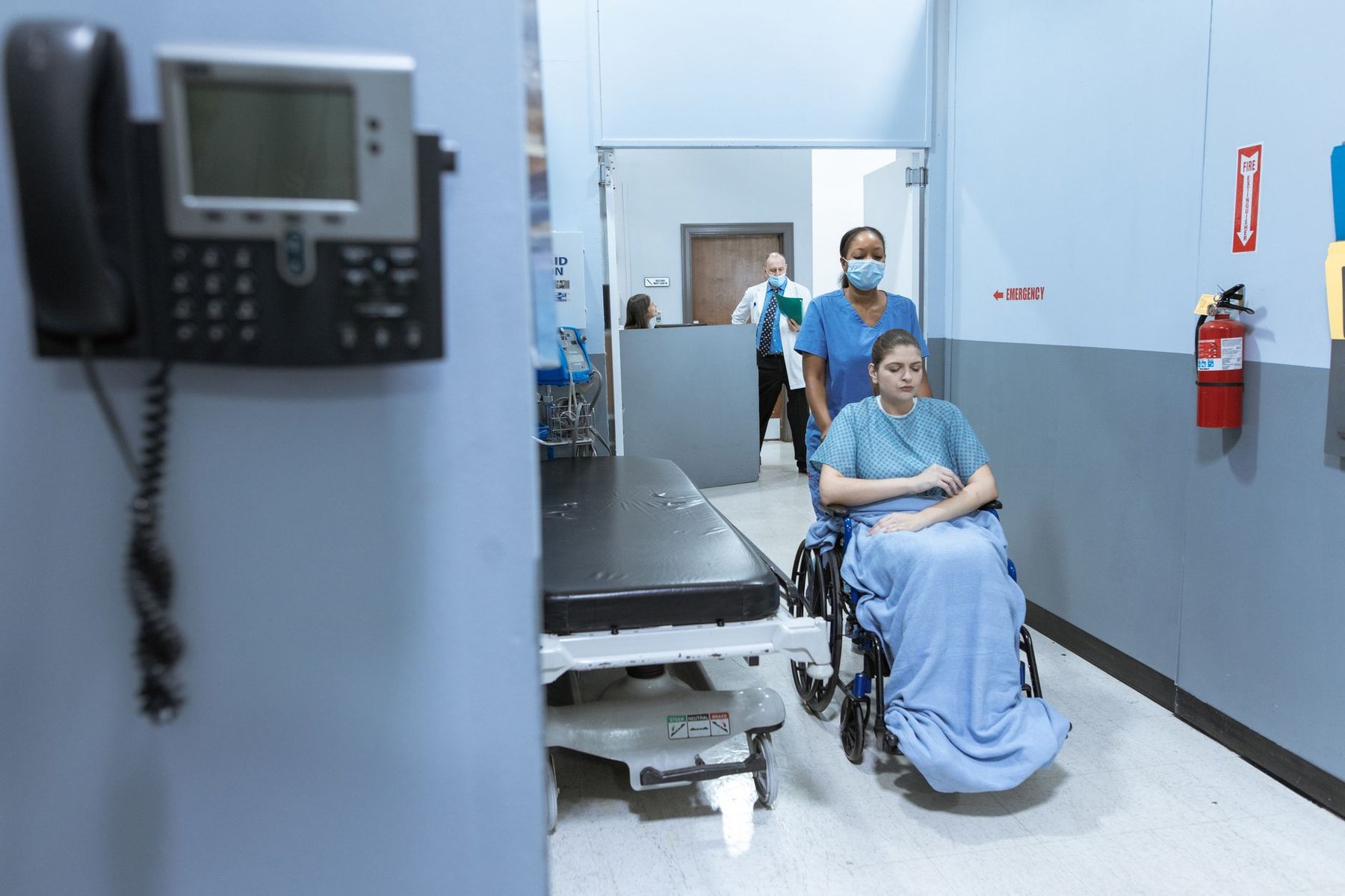
There is something profoundly meaningful about the moment a person realises they no longer need as much help as they once did. Whether it is preparing a meal independently, navigating public transport with confidence, or securing meaningful employment – these milestones are not accidents. They are the direct result of purposeful, structured investment in a person’s skills, confidence, and capabilities.
For Australians living with disability, the National Disability Insurance Scheme (NDIS) offers a pathway to exactly this kind of growth. At the heart of that pathway sits NDIS Capacity Building – a suite of supports designed not to do things for you indefinitely, but to help you build the skills to do more for yourself over time.
In Townsville and across North Queensland, Capacity Building supports are transforming lives. This article unpacks exactly what these supports are, how they work, what the evidence says about their outcomes, and why engaging with them early and intentionally may be one of the most empowering decisions an NDIS participant – or their family – can make.
What Is NDIS Capacity Building and How Does It Differ From Core Supports?
Understanding NDIS Capacity Building begins with a critical distinction. The NDIS funds two broad types of supports: Core Supports and Capacity Building Supports, and they serve very different purposes.
Core Supports provide ongoing, practical assistance with everyday tasks – right now, today. A support worker helping with personal hygiene, cooking, or transportation is delivering a Core Support. These are essential and valued, but they are ongoing by nature.
Capacity Building Supports, by contrast, are designed to develop skills, build confidence, and grow independence so that, over time, a participant may need less paid support – not more. As the NDIS Independent Advisory Council has articulated clearly, capacity building is essential to assisting people with disability to move from being dependent clients to active citizens. The sustainability of the Scheme itself depends on a forward-thinking capacity building framework that ensures people can live their lives to the maximum of their abilities, less reliant on the service system.
Put simply: Core Supports help you live your life today. Capacity Building Supports help you live more of your life – independently – tomorrow.
Importantly, NDIS Capacity Building funding is goal-focused and intentional. Funding allocated to one Capacity Building category cannot simply be shifted to another without a plan review, reflecting how deliberately structured these supports are designed to be.
What Are the Nine NDIS Capacity Building Categories in Townsville?
NDIS Capacity Building is organised into nine distinct categories, each targeting a specific domain of a participant’s life. Townsville participants may access supports across all nine categories, depending on their individual goals and NDIS plan.
| Capacity Building Category | Primary Focus | Key Expected Outcomes |
|---|---|---|
| Support Coordination & Psychosocial Recovery Coaching | Navigating and implementing the NDIS plan | Greater plan independence, improved decision-making |
| Improved Living Arrangements | Securing and maintaining appropriate housing | Stable, safe housing that supports independence |
| Increased Social & Community Participation | Developing social skills and community engagement | Stronger social connections, improved communication |
| Finding and Keeping a Job | Employment skills, job coaching, and workplace support | Successful job placement, improved workplace capability |
| Behaviour Support | Positive behaviour strategies and communication skills | Better social integration, improved self-regulation |
| Health and Wellbeing | Allied health services including OT, physio, and psychology | Better physical function, improved mental health |
| Lifelong Learning | Educational support, literacy, numeracy, and technology skills | Improved academic performance, enhanced life skills |
| Choice and Control | Building decision-making skills and financial literacy | Greater autonomy over personal choices |
| Improved Daily Living Skills | Practical daily independence (cooking, self-care, home tasks) | Greater everyday independence, improved confidence |
Each of these categories targets a different element of independence. Together, they reflect a whole-of-life approach to building capability – one that recognises that true independence is not a single skill, but a constellation of them.
What Does the Evidence Say About Growing Independence Through NDIS Capacity Building?
One of the most compelling arguments for engaging with NDIS Capacity Building early and consistently is the evidence. NDIS outcome data demonstrates clear, measurable improvements the longer participants remain engaged with the Scheme – particularly when Capacity Building supports are actively utilised.
Independence Grows With Time in the Scheme
For participants who have been in the Scheme for three years, the percentage reporting happiness with their level of independence and control increased by 11.1% – from 63.7% at baseline to 74.8% by their third review. For those in the Scheme for two years, the improvement was 5.1%, and for one-year participants, 3.6%. The pattern is consistent: the longer participants engage, the greater their sense of independence and control.
Children Are Developing Faster
For school-aged children, there was a 12.8 percentage-point increase in the proportion of parents and carers reporting their child becoming more independent between baseline and second review, reaching 50.5%. For children aged 5–14, 69% of parents and carers felt their child had become more independent in their third year of NDIS participation, up from 56% in their first year.
Young Adults Are Finding Employment
For participants aged 15–24, there was a 12 percentage-point increase in employment from 13% to 25% – one of the most significant gains across any age cohort. This reflects the particular impact of Capacity Building employment supports – such as job coaching, workplace assessments, and skills training – for young people entering the workforce.
Adults Are Gaining Choice and Control
For adults aged 25 and over, 77% of participants believed the NDIS helped them have more choice and control over their lives in their third year of participation, compared to 67% in their first year. Meanwhile, 83% reported the NDIS had helped them with daily living activities in their third year – up from 71% in year one.
These numbers are not simply statistics. They represent real people in communities like Townsville, Cairns, and Brisbane – people who are cooking their own meals, catching their own buses, joining their own community groups, and pursuing their own careers.
How Do Daily Living Skills and Employment Supports Build Real-World Independence in Townsville?
Two Capacity Building categories deserve particular attention for their practical, tangible impact on everyday life: Improved Daily Living and Finding and Keeping a Job.
Improved Daily Living: Learning, Not Just Doing
Improved Daily Living supports – sometimes coded as CB Daily Activity – are delivered primarily through allied health professionals such as occupational therapists. The key distinction is powerful: rather than having a support worker cook a meal for you, an occupational therapist teaches you how to cook safely and confidently yourself.
Common areas addressed through Improved Daily Living supports include:
Self-Care and Personal Routines
Developing consistent, independent routines for showering, grooming, and dressing.
Household Management
Learning to prepare meals, manage household tasks, and organise a home environment effectively.
Community Navigation
Building skills to use public transport, access local services, and move safely within the community.
Communication and Social Skills
Developing the interpersonal tools needed to engage confidently with others in everyday settings.
A functional capacity assessment is typically the starting point, allowing therapists to identify current abilities and gaps, and then design a personalised skill-building plan aligned with the participant’s NDIS goals.
Finding and Keeping a Job: Bridging the Employment Gap
Employment remains one of the most significant markers of independence and inclusion. Currently, the labour force participation rate for people with disability in Australia is 53.4%, compared to 84.1% for people without disability – a gap that Capacity Building employment supports directly address.
Through the Finding and Keeping a Job category, participants can access job coaching, resume development, interview preparation, workplace assessments, and job-specific skills training. For school leavers, School Leaver Employment Supports (SLES) provide a structured transition pathway into the workforce.
The evidence suggests these supports are working – particularly for younger participants, where employment rates have shown the most notable improvement.
How Does Support Coordination Unlock NDIS Capacity Building in Townsville?
Support Coordination is itself a Capacity Building support – and it plays a critical enabling role for all other Capacity Building categories. A skilled Support Coordinator helps participants understand their NDIS plan, connect with appropriate service providers, manage their supports effectively, and build their own capacity to coordinate services independently over time.
For participants with complex plans, those new to the NDIS, or those navigating significant life transitions such as leaving school or moving into supported living, Support Coordination can be transformative. It is the connective tissue that helps every other Capacity Building support work as effectively as possible.
The NDIS funds plan management separately to Core and Capacity Building budgets, with standard plan management funded at $232.35 as a setup fee plus $99.39 per month (2026 rates) – meaning this support does not come at the expense of other funded goals.
Why NDIS Capacity Building Is the Most Powerful Investment in a Participant’s Future
NDIS Capacity Building is not merely a service – it is a philosophy. It reflects a belief that every person with disability has the potential to grow, to learn, and to live a life of greater independence and connection. It is an investment that pays dividends not just in years but in the day-to-day texture of a person’s life.
In Townsville, North Queensland, and across Queensland broadly, the infrastructure for Capacity Building is well established. NDIS participants have access to providers across all nine categories, allied health professionals qualified to deliver skill-building interventions, and a growing network of community and employment supports.
The data is clear: participants who engage with Capacity Building supports consistently experience greater independence, stronger community connections, improved wellbeing, and more meaningful choice and control – and these outcomes compound over time. The greatest improvements appear between years two and three of Scheme participation, making early, committed engagement the most impactful choice a participant can make.
True independence is not given. It is built – thoughtfully, consistently, and one skill at a time.
What is the difference between NDIS Capacity Building and Core Supports in Townsville?
Core Supports fund ongoing assistance with daily tasks – such as personal care or help around the home – provided right now. Capacity Building Supports, on the other hand, are designed to develop skills and independence over time, with the goal of reducing a participant’s reliance on paid supports in the future.
Can I use my NDIS Capacity Building funding across different categories?
No. Unlike some Core Support budgets, Capacity Building funding is category-specific. Funding allocated to one Capacity Building category—such as Health and Wellbeing—cannot be moved to another category, such as Finding and Keeping a Job, without a formal plan review. This structure ensures funds are used strategically and in alignment with your NDIS goals.
How long does it take to see results from NDIS Capacity Building supports?
NDIS outcome data indicates that improvements in independence and choice and control grow consistently over time. Participants typically experience a 3.6% improvement in happiness with independence after one year, rising to a 5.1% improvement after two years, and an 11.1% improvement after three years. Results are gradual and cumulative, which is why early, consistent engagement is important.
What Capacity Building supports are available for employment in Townsville?
The ‘Finding and Keeping a Job’ category covers job coaching, workplace assessments, resume and interview preparation, job-specific skills training, and support for school leavers transitioning to work. These supports are designed to bridge the employment gap for people with disability, with notable gains particularly among participants aged 15–24.
Does NDIS Capacity Building cover accommodation costs in Townsville?
No. While the Improved Living Arrangements category provides assessments, recommendations, and assistance in finding appropriate housing, it does not cover ongoing living costs such as rent, groceries, or utilities. These costs are typically covered by other funding streams like the Disability Support Pension and Commonwealth Rent Assistance.