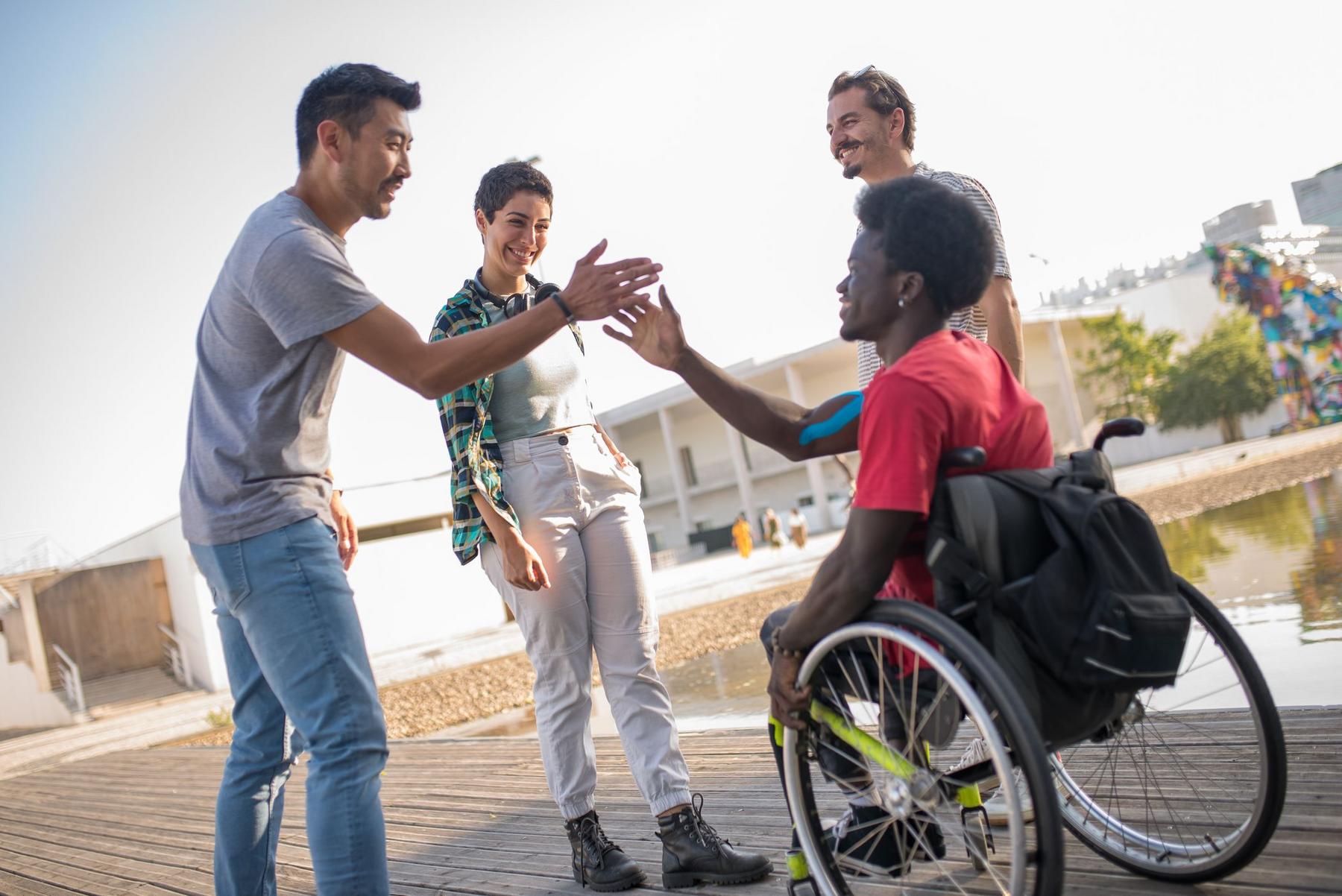
The school bell rings at 3 o’clock – and for many families of children with disabilities in Cairns, what happens next matters enormously. Finding meaningful, safe, and engaging after-school programs for children with disabilities in Cairns can feel overwhelming, particularly when you’re navigating support systems, managing your child’s unique needs, and juggling the demands of everyday family life. Yet the hours between the end of the school day and dinner time represent one of the most powerful windows for growth, connection, and confidence-building that exists in a child’s week.
What Are After-School Programs for Children with Disabilities in Cairns?
After-school programs for children with disabilities are structured, facilitated programmes that operate during school term time, typically running from approximately 3:30 pm to 5:30 pm on weekday afternoons. These programmes are distinct from school holiday vacation care – they run consistently across Queensland’s four school terms, providing children with the routine, relationships, and regular engagement that are so vital to their development.
In Cairns, after-school programs for children with disabilities are designed to serve school-aged children, generally between the ages of 6 and 17, who have a diagnosed disability or developmental delay. These programmes operate under frameworks that align with the National Disability Insurance Scheme (NDIS), the Disability Discrimination Act 1992, and Queensland Government disability service standards – ensuring children are not only supported but protected.
At their core, these programmes exist to fill a critical gap. The school environment, while important, doesn’t always offer children with disabilities the space to explore their interests, build peer friendships at their own pace, or practise life skills in a low-pressure setting. Quality after-school programs for children with disabilities in Cairns are built to do exactly that.
What Types of Term-Time Activities Are Available for Children with Disabilities in Cairns?
The range of term-time activities available through after-school programs in Cairns is broader and more thoughtfully designed than many families realise. Activities are typically grouped across several developmental domains, each targeting specific skills and outcomes.
Creative and Artistic Activities
Arts and crafts, painting, sensory play, music, drama, and creative projects give children expressive outlets that support communication, patience, and emotional regulation. Creative activities are particularly valuable for children who may find verbal communication challenging, as they offer alternative forms of self-expression.
Technology and STEM-Based Activities
Coding projects, robotics, Minecraft groups, and computer skills development engage children who are naturally drawn to digital environments. These activities build problem-solving abilities, logical thinking, and teamwork in ways that feel genuinely enjoyable rather than instructional.
Physical and Recreational Activities
Structured sport, obstacle courses, yoga, nature walks, swimming, and movement-based games support physical health, body awareness, and confidence. Physical activity is one of the most evidence-supported pathways to improved mood, reduced anxiety, and better sleep for children with disabilities.
Social and Emotional Development Activities
Board games, cooperative group activities, mindfulness exercises, role-play, and conflict resolution scenarios are woven into programmes to build emotional intelligence, perspective-taking, and friendship skills.
Life Skills Development
Meal preparation, budgeting basics, personal organisation, time management, and community navigation are increasingly being incorporated into after-school programs for children with disabilities in Cairns, preparing children for greater independence as they grow.
Community-Based Outings
Some programmes take children out into Cairns’ wider community – visiting local venues, participating in real-world activities, and building the confidence and skills to engage meaningfully in everyday community life.
The following table summarises these activity types alongside their primary developmental benefits:
| Activity Category | Examples | Primary Developmental Benefits |
|---|---|---|
| Creative & Artistic | Arts, crafts, music, drama | Communication, emotional expression, patience |
| Technology & STEM | Coding, Minecraft, robotics | Problem-solving, teamwork, logical thinking |
| Physical & Recreational | Sport, yoga, nature walks, swimming | Physical health, confidence, body awareness |
| Social & Emotional | Board games, role-play, mindfulness | Emotional regulation, empathy, friendship skills |
| Life Skills | Cooking, budgeting, organisation | Independence, self-care, community navigation |
| Community-Based Outings | Local visits, community excursions | Real-world engagement, confidence, inclusion |
How Does NDIS Funding Support After-School Programs for Children with Disabilities?
Understanding how NDIS funding applies to after-school programs is one of the most common questions families ask – and for good reason. The NDIS is the primary funding mechanism for disability support services in Australia, including term-time after-school care.
NDIS participants can access after-school programs through three funding management arrangements: NDIA-managed, plan-managed, or self-managed funding, as established under the NDIS Act 2013. Families who are plan-managed receive an annual allocation (averaging $1,425.01 in non-remote areas) to coordinate and pay for supports through a registered plan manager.
The funding category most relevant to after-school programs for children with disabilities in Cairns is Core Supports, which includes the Social and Community Participation subcategory. This funding can be used flexibly to pay for support workers accompanying children to after-school programs, as well as program fees themselves, depending on how a participant’s plan is structured.
Beyond NDIS, families in Queensland may also be eligible for:
- Queensland Community Support Scheme (QCSS): For low-intensity supports that assist community participation and reduce social isolation
- Specialist Disability Support in Schools (SDSS) Program: Queensland Government funding for eligible school-aged students
- Child Care Subsidy: Available for children aged 14–18 with disabilities
- Assistance for Isolated Children Scheme (AIC): Term-based payments for students with disabilities
The key takeaway for Cairns families is this: NDIS funding is flexible, and after-school programs that build social participation, life skills, and daily living capacity are legitimate, fundable supports. Speaking with a registered NDIS plan manager or support coordinator is the most effective way to understand what your child’s specific plan allows.
What Makes a Quality After-School Program for Children with Disabilities?
Not all after-school programs are created equal, and knowing what to look for helps families choose programmes that genuinely serve their child’s needs and goals.
Research across multiple longitudinal studies consistently identifies several hallmarks of effective programmes for children with disabilities:
Structured, Consistent Routines
Children with disabilities – particularly those with Autism Spectrum Disorder, ADHD, or anxiety-related conditions – benefit significantly from predictable schedules and clear, easy-to-follow rules. Consistency builds safety, which is the foundation for learning.
Skilled, Trained Support Staff
Quality programmes employ staff with relevant qualifications, such as Certificate III or IV in Individual Support or Disability Support, alongside mandatory training in safeguarding, person-centred practice, human rights, and communication strategies. The quality of the staff-child relationship is one of the strongest predictors of positive outcomes.
Appropriate Support Ratios
Recommended support ratios for group programmes are typically 1:3 (one support worker to three children), with flexibility to reduce to 1:1 or 1:2 for children with higher support needs. Families should always enquire about staffing ratios before enrolment.
Inclusive and Personalised Practice
Under the Disability Discrimination Act 1992, service providers are legally required to make reasonable adjustments to premises and activities, provide accessible information, support diverse communication needs, and actively prevent discrimination. Quality programmes go beyond legal compliance – they celebrate diverse abilities and tailor activities to individual interests and goals.
Family Partnership
The best programmes maintain genuine, ongoing communication with families. Parents and carers are consulted on their child’s goals, progress, and wellbeing, and family input is incorporated into activity planning.
How Do After-School Programs in Cairns Benefit Children with Disabilities and Their Families?
The evidence in support of after-school programs for children with disabilities is compelling and wide-ranging. These benefits extend well beyond the child themselves.
For children, well-structured programmes deliver:
- Improved social skills and prosocial behaviours
- Enhanced self-confidence and self-esteem
- Reduced problem behaviours, including aggression and non-compliance
- Better emotional regulation and self-control
- Improved academic motivation and school attendance
- Development of empathy and perspective-taking
- Greater independence and life skills
- A genuine sense of belonging in a safe, supportive environment
Children with intellectual and developmental disabilities particularly benefit from:
- Opportunities to develop lasting peer relationships
- Consistent, structured environments that scaffold skill-building
- Leadership experiences and the chance to demonstrate talents that may not be visible during the school day
- Authentic inclusion alongside peers of all abilities
For families and carers, after-school programs provide:
- Meaningful respite during afternoon hours
- Peace of mind that their child is safe, engaged, and thriving
- Connection to parent support networks and local service information
- Reduced parenting stress and improved overall family functioning
- Practical support that allows parents to maintain employment or attend to other family responsibilities
According to NDIS Quarterly data from December 2025, children between school entry and age 14 who access NDIS-funded supports show improvement across all developmental areas, with daily living recording the strongest gains. These outcomes are strongly associated with consistent, quality programme participation during term time.
How Can Cairns Families Access Term-Time After-School Programs for Their Child?
Accessing after-school programs for children with disabilities in Cairns is a process that becomes much simpler once you understand the steps involved.
- Determine NDIS Eligibility: Assess whether your child meets the NDIS access criteria – a likely disability, significant functional impact, and needs likely to be lifelong. The NDIS website and local LACs (Local Area Coordinators) can guide this process.
- Develop or Review the NDIS Plan: Ensure your child’s plan includes Core Supports funding, particularly under the Social and Community Participation category, which covers after-school activity-related supports.
- Choose a Plan Management Approach: Decide whether to manage the plan through the NDIA, a registered plan manager, or self-management. A plan manager can simplify the process of paying providers and tracking spending.
- Research and Contact Local Providers: In Cairns, established after-school disability services include providers operating from hubs in Bungalow and across Cairns’ suburbs, offering weekday afternoon programs across the school term. Contact local disability service organisations directly to enquire about current vacancies, activity schedules, and support ratios.
- Engage Support Coordination: A support coordinator can help identify suitable programmes, establish service agreements, and coordinate transport or other logistical needs.
- Establish a Service Agreement: Once a programme is chosen, a formal service agreement outlines the supports, schedule, costs, and expectations – protecting both your child and the provider.
- Review Regularly: Periodically assess whether the programme continues to meet your child’s evolving needs and goals, and adjust accordingly at each NDIS plan review.
Building a Stronger Future, One Afternoon at a Time
After-school programs for children with disabilities in Cairns represent far more than supervised afternoon care – they are structured pathways to independence, belonging, friendship, and confidence. Every hour spent in a quality, well-staffed programme is an investment in your child’s social-emotional development, their academic engagement, and their long-term capacity to live a full and meaningful life.
For families in Cairns, the combination of NDIS funding, Queensland Government support, and a growing local network of specialised services means that meaningful, engaging term-time activities are more accessible than ever before. The key is knowing what to look for, understanding how to fund it, and taking that first step to reach out.
What age groups are eligible for after-school programs for children with disabilities in Cairns?
Most after-school programs for children with disabilities in Cairns are designed for school-aged children between the ages of 6 and 17 years. Some providers operate programmes specifically for younger children within this range, while others offer broader age groupings. Families should contact providers directly to confirm eligibility for their child’s age and support needs.
Can NDIS funding be used to pay for after-school disability programs in Cairns?
Yes. NDIS Core Supports funding – particularly the Social and Community Participation subcategory – can generally be used to fund after-school programs for children with disabilities in Cairns, including support worker costs and program fees. The specific funding available depends on each child’s individual NDIS plan, so it is important to review the plan with a support coordinator or plan manager.
Are after-school programs for children with disabilities different from school holiday programs in Cairns?
Yes, they are distinct. Term-time after-school programs operate on weekday afternoons during Queensland’s four school terms, providing consistent weekly routines. School holiday programs (also called vacation care) operate during term breaks and are structured differently. Both types of programmes may be NDIS-fundable, but term-time programmes offer the particular benefit of regular, predictable schedules, which is especially valuable for children with disabilities.
What qualifications should support workers in after-school disability programs have?
Quality programmes employ staff with relevant qualifications, typically a Certificate III in Individual Support or Certificate IV in Disability Support, alongside first aid certification and mandatory training in areas such as safeguarding, person-centred practice, and communication support. Families should always enquire about staff qualifications and training when researching after-school programs for children with disabilities in Cairns.
Do children need an NDIS plan to access after-school disability programs in Cairns?
Not necessarily. While NDIS funding is the most common pathway for accessing after-school programs for children with disabilities in Cairns, some programmes accept children through the Queensland Community Support Scheme (QCSS), other government funding, or private payment arrangements. Families without an NDIS plan are encouraged to speak with local providers and their child’s school support team about alternative access pathways.