For many NDIS participants in the Redlands region, the desire to connect with others, pursue interests, and contribute to community life remains strong—yet barriers can feel overwhelming. Perhaps you’ve felt uncertain about which activities align with your funding, or you’ve wondered if your local area offers programs that truly understand your needs. The gap between aspiration and access can leave individuals feeling isolated, even when surrounded by opportunity.
Community participation isn’t simply about filling time; it’s about building a life rich with connection, purpose, and growth. When NDIS participants engage meaningfully in their communities, research shows that 43% report increased involvement in social and community activities after two years in the scheme. The Redlands Bayside region offers a diverse landscape of opportunities—from adaptive sports to creative arts, life skills development to peer support networks—each designed to transform isolation into inclusion and hesitation into confidence.
What Types of Community Participation Activities Are Available for NDIS Participants in Redlands?
The spectrum of community participation activities available to NDIS participants in Redlands reflects the diverse interests and goals within the disability community. These activities fall into nine primary categories, each offering unique pathways to skill development, social connection, and personal fulfilment.
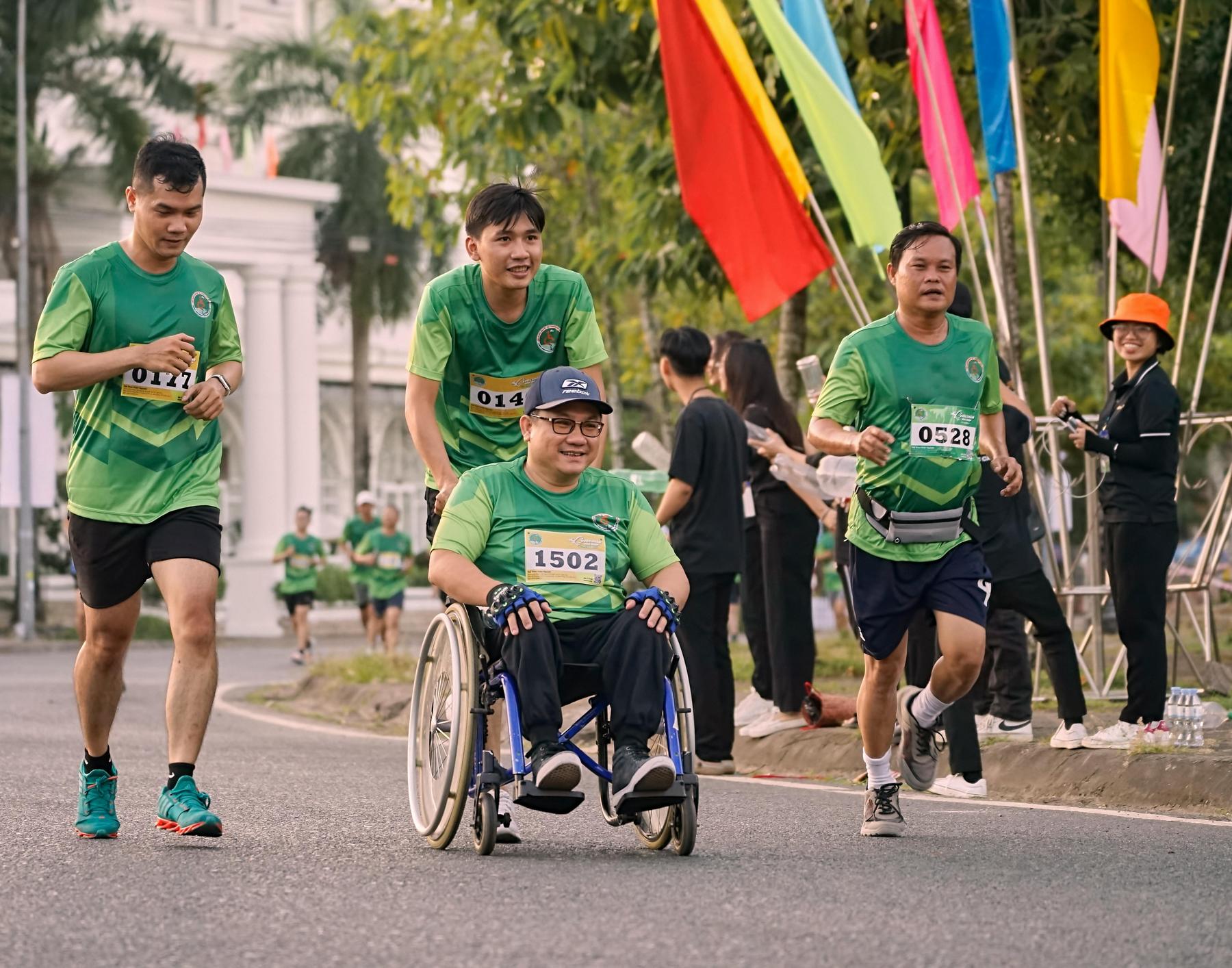
Sports and recreational activities form a cornerstone of community participation, with options ranging from wheelchair basketball and adaptive team sports to swimming, aquatic therapy, and goalball—a sport specifically designed for visually impaired participants. Walking groups, community fitness classes, and accessible cycling clubs provide regular opportunities for physical engagement. These programs don’t merely improve physical health; they create natural support networks where participants develop teamwork abilities, build confidence, and establish lasting friendships.
Creative arts and therapeutic expression programs recognise that self-expression takes many forms. Music and drama workshops, painting, pottery, and visual arts classes offer participants channels for emotional regulation and fine motor skill development. Neurologic Music Therapy represents a particularly evidence-based approach, targeting non-musical goals like speech development through musical interventions. Dance, movement therapy, and photography workshops round out options that foster creativity whilst addressing therapeutic needs.
Life skills development programs bridge the gap between aspiration and practical independence. Cooking and meal preparation classes, public transport navigation training, and budgeting workshops equip participants with tangible abilities that enhance daily autonomy. Digital literacy programs and communication skills training prepare individuals for increasing independence, with direct pathways to employment readiness.
The following table compares key activity categories with their primary benefits and typical NDIS funding sources:
| Activity Category | Primary Benefits | Typical NDIS Funding Category | Average Support Ratio |
|---|---|---|---|
| Sports & Recreation | Physical health, teamwork, confidence | Core – Social & Community Participation | 2:1 to 3:1 group |
| Creative Arts | Self-expression, fine motor skills, emotional regulation | Capacity Building or Core Supports | 1:1 or small group |
| Life Skills Development | Independence, practical abilities, employment readiness | Capacity Building – Increased Social Participation | 1:1 or 2:1 |
| Peer Support Networks | Reduced isolation, mutual support, validation | Core – Social & Community Participation | Group setting |
| Volunteer & Community Service | Employment skills, sense of purpose, connections | Core or Capacity Building | 1:1 or 2:1 |
| Educational Workshops | Knowledge acquisition, confidence, new opportunities | Capacity Building – Increased Social Participation | Course-dependent |
Peer support and social networks address a fundamental human need: belonging. Monthly peer support group meetings, interest-based social clubs—from book clubs to gaming groups—and community lunch gatherings create spaces where lived experience is validated. Queensland data reveals that 62.6% of people with disability feel welcome and included in their communities, yet nearly 40% still experience gaps in social connection that peer networks can address.
How Does NDIS Funding Support Community Participation in Bayside Queensland?
Understanding NDIS funding for community participation empowers participants to maximise their plan’s potential. The framework operates through two primary budget categories, each serving distinct but complementary purposes.
Core Supports under “Assistance with Social and Community Participation” provide ongoing support worker assistance to help participants engage in community, social, and recreational activities. This category offers flexibility in how support is delivered, with standard support rates at approximately $67.56 per hour and high-intensity support at approximately $74.92 per hour as of the 2024-25 pricing arrangements. What makes Core Supports particularly valuable is the group support option: a 2:1 ratio costs approximately $38.09 per hour per participant, whilst a 3:1 ratio reduces to approximately $27.50 per hour per participant, making group activities financially sustainable.
Capacity Building supports under “Increased Social and Community Participation” fund activities specifically designed to increase independence. This category differs fundamentally from Core Supports by focusing on skill acquisition rather than ongoing assistance. Capacity Building funds can cover tuition fees, sports coaching, art classes, camps, and vacation activities that incorporate learning components. The distinction matters: whilst Core Supports help you attend a cooking class with a support worker, Capacity Building funds the cooking class itself when it’s designed to teach independent meal preparation skills.
The NDIS funding framework recognises that community participation encompasses support worker assistance for attending personal development courses, joining social groups, taking outings or holidays, participating in holiday camps, visiting libraries, attending movies, concerts, and theatre, joining sporting clubs, developing social skills, accessing public transport training, and engaging in adaptive sports programs. However, participants must understand what NDIS doesn’t fund: general transport costs, rent, food, mobile phones, entertainment costs not directly related to disability support, and general healthcare services remain outside the scheme’s scope.
Where Can NDIS Participants Access Community Activities in the Redlands Region?
The Redlands region has developed robust infrastructure for disability services, with multiple providers offering specialised community participation programs. The Redlands Disability Network, established in 2015 and formally incorporated in May 2024, holds monthly network meetings that strengthen coordination across the region.
Kuremara stands as a leading NDIS service provider with significant presence throughout Southeast Queensland, including Greater Brisbane, Ipswich, Logan, and the Redlands area. Their comprehensive service model includes Supported Independent Living, Short-Term Accommodation, personal care, daily living support, therapy, transportation, and community access programs. What distinguishes their approach is the emphasis on empowering participants toward independence whilst providing the scaffolding of support necessary for individual goals.
Alpha Care and Share operates as an NDIS registered provider within Redland, delivering community and complex nursing, personal care, in-home care, and dedicated social and community participation programs. Their person-centred approach, coupled with highly trained professionals committed to continuous development, ensures that participants receive support calibrated to their unique needs.
Integrated Disability Solutions brings a collaborative approach to Redlands disability support, working alongside participants to create services that enable individual goals. Their focus on person-centred care means that community participation activities align with authentic aspirations rather than predetermined programs.
Redlands Exercise Physiology provides NDIS-funded exercise physiology services through Capacity Building supports, specifically under Improved Daily Living and Improved Health and Wellbeing categories. Operating from specialised gym, clinic, and pool facilities designed for complex needs, they charge $148.50 per hour and focus on improving ease of activities of daily living whilst assisting community access.
The Brotherhood of St Laurence operates as the NDIS Local Area Coordination partner for the Bayside Peninsula area, including Redlands. Local Area Coordinators help participants navigate and link with community supports, understand and apply for NDIS, implement NDIS plans, and conduct regular plan check-ins. Perhaps most importantly, they build relationships within communities to promote inclusion and improve accessibility of local services—acting as bridges between participants and the broader community infrastructure.
What Evidence Demonstrates the Benefits of Community Participation for NDIS Participants?
The research foundation supporting community participation extends beyond anecdotal success to quantifiable outcomes that demonstrate genuine life improvements. National NDIS data from the December 2024 Quarterly Report reveals that 43% of participants report increased involvement in social and community activities after two years in the scheme—a statistic that translates to hundreds of thousands of individuals experiencing meaningful change.
Social and emotional outcomes form the most immediately recognisable benefits. Participants engaging in community activities report deeper relationships with friends and family, larger social networks, and reduced social isolation. The psychological impact proves equally significant: greater confidence, enhanced feelings of safety within communities, improved mental health, and reduced stress and anxiety emerge as consistent themes. Queensland-specific data shows 66.3% of people with disability report feeling happy, whilst 77.5% feel safe—metrics that correlate strongly with active community participation.
Capacity-building outcomes demonstrate that participation creates lasting change rather than temporary respite. Participants develop new skills, improve communication abilities, enhance problem-solving capabilities, and gain confidence in social interactions. These aren’t abstract qualities; they manifest in tangible improvements to daily living. The physical health outcomes associated with regular participation in sports and recreational activities compound these benefits, creating synergistic effects across multiple life domains.
Perhaps most striking are the broader life outcomes that ripple from consistent community participation. Employment opportunities increase substantially: for young people aged 15 to 24 receiving NDIS support, employment rates jump from 10% to 23% within two years of scheme entry. Educational advancement accelerates, with 60.6% of Queensland respondents reporting they could pursue courses and training if desired. Crucially, 80% of participants report experiencing more choice and control after two years in the NDIS—autonomy that fundamentally reshapes daily experience.
Research identifying enablers of successful participation highlights that foundational needs—stable housing, food security, adequate sleep, and mental and physical health—must be met before community participation flourishes. Support workers matched in age, skills, and interests prove essential, as does individualised support tailored to specific accessibility needs. Person-centred planning involving both the individual and their support network creates the framework within which meaningful participation occurs. These findings underscore that community participation doesn’t happen in isolation; it requires coordinated support addressing multiple life dimensions simultaneously.
How Can Families and Carers Support Community Participation for NDIS Participants?
Families and carers occupy a unique position in facilitating community participation, serving as advocates, coordinators, and sources of encouragement. However, the Queensland Voice of Queenslanders with Disability 2024 Report reveals that 41% of respondents experienced difficulties accessing unpaid support—a statistic reflecting the pressure on informal support networks.
Person-centred planning begins at home, with families helping identify individual goals, interests, and aspirations that should guide activity selection. This process differs fundamentally from choosing activities based on convenience or availability; authentic engagement stems from alignment between activities and personal values. Regular review and adjustment of goals ensures that participation evolves alongside developing interests and capabilities.
Navigating the NDIS system represents a practical area where families provide crucial support. Understanding the difference between Core Supports and Capacity Building, knowing which activities qualify for funding, and coordinating with support workers and providers requires knowledge that many participants are still acquiring. Families can research local providers, attend Redlands Disability Network meetings, and connect with Local Area Coordinators to build comprehensive understanding of available options.
Fostering independence requires a delicate balance: providing sufficient support to enable participation whilst gradually stepping back as confidence and capability grow. The goal isn’t permanent dependence on family coordination, but rather building the participant’s capacity to navigate community participation increasingly independently. This might mean starting with family accompaniment to a new activity, then transitioning to support worker assistance, and eventually to independent participation.
The cost of living crisis significantly impacts disability communities, with 47% of Queensland survey respondents expressing insufficient funds for a good life. Families can support community participation by helping participants maximise NDIS funding, accessing mainstream community programs with disability accommodations, and connecting with peer support networks that share resources and strategies. The recognition that 49% of respondents had difficulties accessing paid support underscores the reality that even well-funded NDIS plans face implementation challenges requiring persistent advocacy.
What Does the Future Hold for Community Participation in Bayside Queensland?
The landscape of community participation for NDIS participants continues evolving, shaped by legislative reforms, community advocacy, and growing recognition of disability inclusion as fundamental to thriving communities. Legislative reforms introduced in October 2024 establish clearer support definitions, creating more predictable frameworks for participants and providers alike. New flexible funding structures emphasise co-design with the disability community, ensuring that changes reflect lived experience rather than administrative convenience.
Queensland communities are increasingly focused on accessibility and inclusion beyond NDIS-specific programs. Moreton Bay Council’s $3 million investment in accessible beach facilities, including Changing Places at Woorim Beach, demonstrates local government commitment to universal design. Accessible playgrounds, public spaces, and transport infrastructure improvements signal shifting community priorities that benefit all residents whilst particularly enhancing participation opportunities for people with disability.
The NDIS participant population in Queensland is projected to almost double to 223,000 over the next ten years, with growth rates stabilising around 10.8% annually as of June 2025. This expansion necessitates corresponding growth in community participation infrastructure, provider capacity, and mainstream community readiness to welcome increasing numbers of participants into existing programs and spaces.
Disability community advocacy continues emphasising meaningful co-design processes, genuine shared decision-making, removal of systemic barriers, and enhanced support for culturally and linguistically diverse participants. The focus on employment and economic participation recognises that community participation extends beyond leisure activities to encompass all aspects of civic life. Queensland data showing 43.8% of disability survey respondents employed in good jobs, with 37.1% earning above $75,000 annually, demonstrates that economic inclusion and social participation reinforce one another.
The combination of NDIS funding, established local disability networks like the Redlands Disability Network, dedicated service providers operating throughout Bayside Queensland, and growing community commitment creates an environment where NDIS participants can genuinely achieve their goals. Transport barriers—with 26% of people with disability reporting transport issues as employment barriers—remain challenges requiring continued advocacy and infrastructure investment. However, the trajectory points toward increasing inclusion, greater choice, and expanding opportunities.
Building Connected, Purposeful Lives Through Community Participation
Community participation for NDIS participants in Redlands represents far more than scheduled activities filling weekday calendars. It embodies the fundamental human needs for connection, contribution, and growth that disability doesn’t diminish. The Redlands Bayside region offers diverse pathways—from adaptive sports building physical confidence to creative arts fostering self-expression, from life skills development enhancing independence to peer support networks validating lived experience.
The evidence base supporting community participation proves compelling: 43% of NDIS participants experience increased social involvement after two years, employment rates more than double for young participants, and 80% report enhanced choice and control over their lives. These aren’t abstract statistics; they represent individuals discovering capabilities, forming friendships, and constructing lives aligned with their aspirations rather than limited by their diagnoses.
Success in community participation requires the convergence of multiple elements: appropriate NDIS funding through Core and Capacity Building supports, skilled support workers matched to individual needs, accessible community infrastructure welcoming diverse participation, and sustained engagement building progressive capabilities. The Redlands region’s established disability services infrastructure, including multiple NDIS providers, the Redlands Disability Network, and Local Area Coordination support, provides the framework within which individual journeys unfold.
Barriers remain—transport accessibility, cost of living pressures, support worker shortages, and variable community attitudes—yet the direction of change favours increasing inclusion. As Queensland communities invest in universal design, as NDIS reforms prioritise participant choice, and as disability advocacy reshapes community consciousness, the gap between aspiration and access narrows. For NDIS participants in Redlands, community participation isn’t a distant ideal but a present reality, rich with opportunity for those equipped with knowledge, support, and determination to engage.
What’s the difference between Core Supports and Capacity Building for community participation?
Core Supports under “Assistance with Social and Community Participation” fund ongoing support worker assistance to help you engage in activities—essentially, the person who accompanies and assists you. Capacity Building under “Increased Social and Community Participation” funds the activities themselves when they’re designed to teach skills that increase your independence. For example, Core Supports pay for a support worker to accompany you to a cooking class, whilst Capacity Building funds the cooking class tuition when it’s specifically teaching independent meal preparation. Many participants use both categories together: Capacity Building for skill-development activities and Core Supports for the assistance needed to participate.
Can NDIS funding cover the cost of joining a sporting club or community group in Redlands?
NDIS funding typically covers support worker assistance to participate in sporting clubs and community groups, but not membership fees or participation costs themselves unless they’re essential to prevent social isolation. Your Core Supports budget funds the support worker who assists you at sports training or club meetings. If a program includes capacity-building components—like coaching that teaches specific skills or adaptive sports training—elements may qualify for Capacity Building funding. Direct costs like club membership fees, equipment, or competition entry fees generally aren’t covered, though exceptions exist when these costs relate directly to disability-specific requirements. Discussing your specific goals with your Local Area Coordinator or support coordinator helps clarify what your plan can fund.
How do I find community participation activities in Redlands that match my interests?
Start by contacting the Brotherhood of St Laurence Local Area Coordination service at 1300 275 6634, as they maintain connections with community supports throughout the Bayside Peninsula including Redlands. Attend Redlands Disability Network monthly meetings to learn about local programs and connect with other participants. NDIS providers operating in Redlands—including Kuremara, Alpha Care and Share, and Integrated Disability Solutions—can suggest activities aligned with your interests and coordinate support. Additionally, organisations like Queenslanders with Disability Network run peer support groups where participants share information about activities they’ve tried. Your NDIS plan should include funding for support coordination if you need assistance navigating options and connecting with providers.
What if I want to try community participation but feel anxious about new situations?
Anxiety about new social situations is entirely normal, and your NDIS support should accommodate gradual, supported transitions into community activities. Start by discussing your concerns with your support worker or support coordinator—they can help identify activities with smaller group sizes, quieter environments, or structured formats that feel less overwhelming. Many programs offer trial sessions or introductory visits where you can observe before committing to regular participation. Your support worker can provide one-on-one accompaniment initially, helping you navigate the environment and social interactions until your confidence builds. Capacity Building funding can include specific skill development around social communication and anxiety management. The goal isn’t immediate independence but progressive capability-building at a pace that respects your comfort level whilst gently expanding your boundaries.
Are there community participation options suitable for NDIS participants with high support needs in Redlands?
Absolutely. Providers in Redlands offer community participation programs specifically designed for participants with high and complex support needs. High-intensity support worker assistance (funded at approximately $74.92 per hour) provides the additional staffing required for participants needing close supervision, complex personal care, or behaviour support during activities. Redlands Exercise Physiology operates specialised facilities designed for controlled environments accommodating complex needs. Kuremara provides support for participants with medical and mental health support needs across all ages, and Alpha Care and Share offers complex nursing alongside community participation programs. When selecting activities, discuss your specific support requirements with providers to ensure they have appropriate staff training, staff-to-participant ratios, and accessibility features. Your NDIS plan should reflect your actual support needs, and your support coordinator can advocate for adequate funding if current allocations don’t enable meaningful participation.