Living with a disability in Cairns shouldn’t mean giving up the everyday moments that make life meaningful – brewing your morning coffee, catching a bus to meet a friend, or managing your own home with quiet confidence. Yet for many individuals and their families, the path toward independence can feel uncertain, even overwhelming. The good news is that the National Disability Insurance Scheme (NDIS) offers genuine, funded pathways to help build the daily living skills that make real-life independence possible.
For Cairns residents navigating the NDIS, understanding exactly how to access and use this support can make all the difference – and the right provider by your side makes the journey that much easier.
What Are Daily Living Skills, and Why Do They Matter for NDIS Participants?
Daily living skills are the practical competencies people use every day to care for themselves, manage their homes, and participate fully in their communities. These skills fall into two broad categories:
- Basic Activities of Daily Living (BADLs): Relate to fundamental self-care, including showering, dressing, eating, personal hygiene, and moving around the home safely.
- Instrumental Activities of Daily Living (IADLs): These are more complex skills that support overall independence – preparing meals, managing money, using public transport, taking medication on schedule, organising household tasks, and communicating effectively with others.
For people living with disability, gaps in these skills can deeply affect quality of life, confidence, and community participation. Building daily living skills is not about achieving independence at all costs – it is about having the right support to live life on your own terms, with dignity, choice, and genuine community connection.
How Does NDIS Funding Support Daily Living Skills in Cairns?
The NDIS funds daily living skills development through two primary pathways, each with a distinct and complementary purpose:
| NDIS Funding Category | Primary Focus | What It Covers |
|---|---|---|
| Capacity Building – Improved Daily Living | Skill-building for long-term independence | Therapy, functional assessments, skill development programmes, strategy development |
| Core Supports – Assistance with Daily Life | Practical, ongoing assistance right now | Support workers helping with everyday tasks in the home and community |
Capacity Building – Improved Daily Living is the category most directly aimed at developing new skills. According to the NDIS Pricing Arrangements and Price Limits 2025–26, this support category includes assessment supports, training supports, strategy development supports, and therapeutic supports to assist the development of, or to increase, a participant’s skills and their capacity for independence and community participation.
This means your NDIS plan can fund occupational therapy, physiotherapy, speech pathology, psychology, exercise physiology, dietitian services, and specialised skill development programmes. These supports are goal-oriented and time-limited – the aim is always to grow capability, not create dependency.
Core Supports – Assistance with Daily Life complements this by providing hands-on help while skills are still being developed. The two categories work in harmony to deliver a holistic, person-centred approach to building independence.
As of January 2026, there are 766,180 NDIS participants nationally, with an average annualised payment of $66,300 per participant. Across Far North Queensland, registered NDIS providers in Cairns and the surrounding region are actively delivering these life-changing supports every day.
What Types of Daily Living Skills Can Be Developed with NDIS Support in Cairns?
The range of skills that can be built through NDIS-funded supports is considerably broader than many people realise. Here is a look at the key areas:
Personal Care and Hygiene
Supports can help individuals develop safe, consistent routines around showering, grooming, dressing, and personal hygiene. Adaptive techniques and specialised equipment can be introduced to make these routines more accessible and achievable.
Meal Preparation and Nutrition
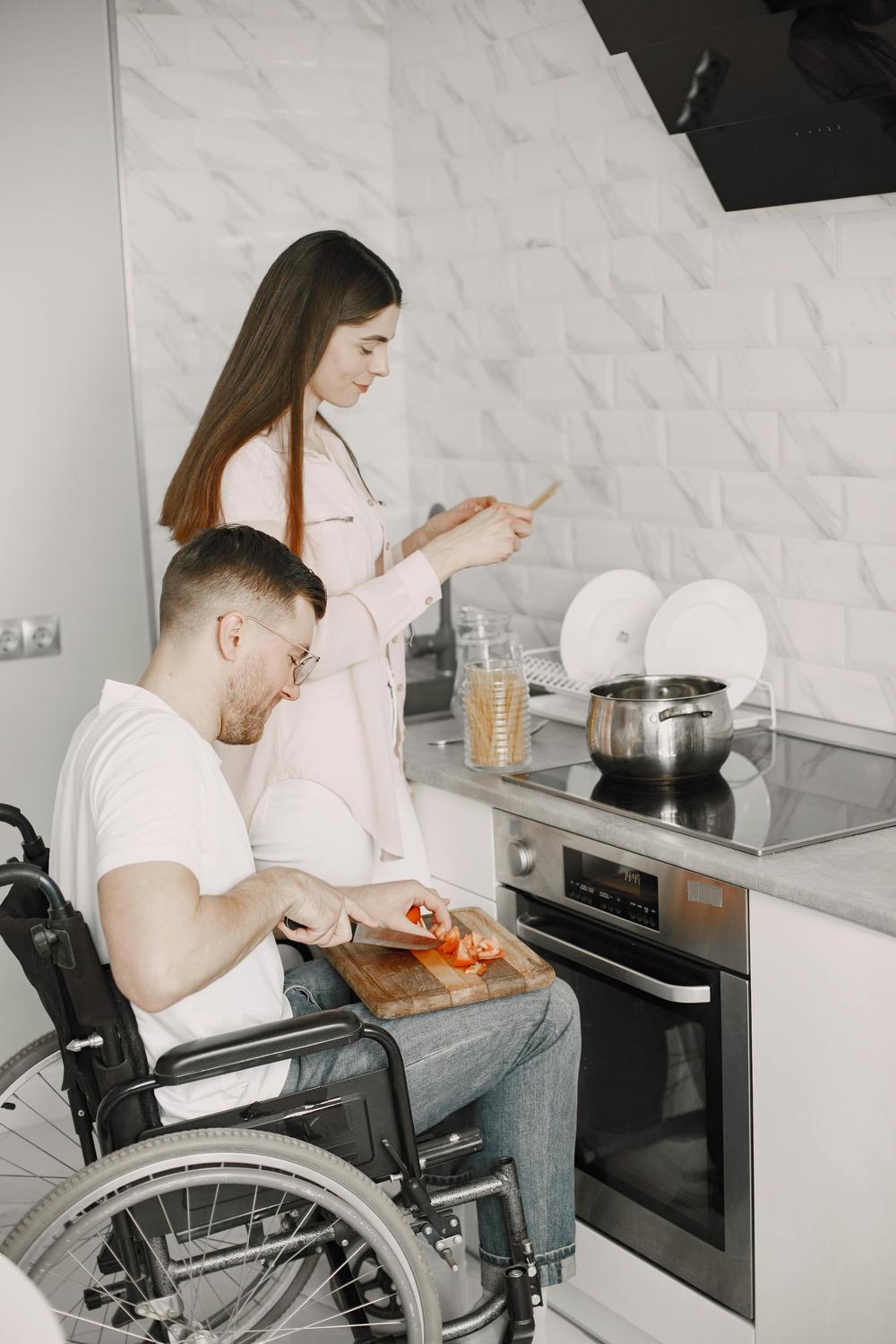
NDIS-funded support can include individual cooking lessons, meal planning assistance, and kitchen safety training. Dietitian services are also fundable, helping participants understand nutrition and manage specific dietary requirements. (Note: Food costs themselves are considered everyday expenses and are not covered.)
Household Management
Cleaning, laundry, home organisation, and basic household tasks are all areas where support workers and therapists can help participants develop consistent, manageable routines that promote a healthy and comfortable home environment.
Money Management and Budgeting
Financial literacy is a vital life skill. The NDIS can fund training to help participants understand budgeting, manage expenses, pay bills confidently, and use everyday banking tools – skills that directly contribute to greater day-to-day independence.
Transport and Community Mobility
Travel training is specifically funded through Capacity Building supports, with three funding levels based on whether transport needs relate to community access, part-time study or work, or full-time engagement. For Cairns residents, learning to navigate local transport independently opens up meaningful opportunities for employment, education, and social connection.
Communication and Social Skills
Speech pathology, social skills development programmes, and alternative communication method training are all accessible through NDIS funding – supporting both personal expression and richer community participation.
Time Management and Daily Planning
Building daily routines, managing schedules, strengthening problem-solving, and developing decision-making skills are all areas where NDIS-funded supports can create meaningful and lasting change in a person’s daily life.
How Do Occupational Therapists Help Build Daily Living Skills?
Occupational therapists (OTs) are central to any strong daily living skills programme. They assess where a person currently is in their functional capacity, identify areas where additional skill-building support is needed, and design targeted interventions to bridge the gap.
OTs use a comprehensive Person-Task-Environment framework that considers three interconnected dimensions:
- Person factors: Physical abilities, cognitive capacity, emotional wellbeing, motivation, and individual learning style.
- Task factors: The specific steps, physical and cognitive demands, and safety considerations involved in completing each task.
- Environment factors: Home layout, community access, social supports available, and cultural context.
Standardised tools used by OTs in NDIS practice include the Barthel ADL Index, which evaluates independence across personal care and mobility tasks; the Lawton Instrumental ADL Scale, which assesses eight functional domains from food preparation to financial management; and the Functional Independence Measure (FIM), which uses a seven-level scale ranging from complete independence to full assistance.
A Supported Independent Living (SIL) assessment – also completed by an OT – evaluates a person’s ability to perform everyday tasks such as cooking, showering, taking medication, managing finances, and communicating needs, and then provides a clinical recommendation for the level and type of NDIS support required.
Importantly, OTs can also deliver training for family members, carers, and support workers. This ensures that skill-building strategies are applied consistently across all settings – not only during formal therapy sessions.
What Should You Expect from a Daily Living Skills Programme Through an NDIS Provider in Cairns?
A well-designed daily living skills programme in Cairns is person-centred from the very beginning. Here is what the journey typically looks like:
Step 1 – Assess Your Needs: Identify the areas where greater independence is desired, informed by an occupational therapy or functional capacity assessment.
Step 2 – Set Clear, Meaningful Goals: Define specific, measurable objectives aligned with what genuinely matters to you – whether that is cooking independently, catching a bus confidently, or managing a household budget.
Step 3 – Consult with Your NDIS Planner: Discuss your goals and the types of supports that will help you achieve them, ensuring the right funding categories are included in your NDIS plan.
Step 4 – Choose a Registered Provider You Trust: Select a registered NDIS provider in Cairns with demonstrated experience in daily living skills development and a genuine commitment to participant wellbeing and empowerment.
Step 5 – Develop a Personalised Programme: Work with therapists and support workers to create a structured, achievable programme built around your unique needs, preferences, and goals.
Step 6 – Review Progress Regularly: NDIS plans are reviewed regularly – typically annually – to assess progress, update funding allocations, and set new targets. Progress is measured through standardised assessments, real-world observation, and participant feedback.
Evidence-based approaches include task analysis (breaking skills into manageable steps), errorless learning (reducing mistakes through structured guidance), and positive reinforcement (celebrating progress to build confidence and motivation).
Providers like Advanced Disability Management, operating across both Cairns and Brisbane, understand that effective daily living skills support must be tailored, compassionate, and driven by what each individual truly wants for their life.
The Bigger Picture: Independence, Wellbeing, and Community Belonging in Cairns
Daily living skills development is not simply about completing a checklist of tasks. It is about dignity, self-determination, and the freedom to live a life that is genuinely your own.
Recent research underscores the connection between having effective, person-centred supports and enhanced community participation and wellbeing. In Cairns and across Far North Queensland, the opportunity to build greater independence is real, and the NDIS provides a powerful framework to make it happen. What matters most is having a provider who truly understands your needs, respects your goals, and walks alongside you with warmth, expertise, and commitment every step of the way.
What daily living skills can the NDIS fund support for in Cairns?
The NDIS can fund support for a wide range of daily living skills in Cairns, including personal hygiene and grooming, meal preparation and nutrition, household management, money management, public transport training, communication skills development, and time management. Supports are provided through Capacity Building – Improved Daily Living for therapy and skill-building programmes, and Core Supports – Assistance with Daily Life for practical, day-to-day help.
What is the difference between Improved Daily Living and Assistance with Daily Life in an NDIS plan?
Improved Daily Living is a Capacity Building support category focused on building new skills through therapy, training, and assessments delivered by qualified professionals such as occupational therapists, physiotherapists, and speech pathologists. Assistance with Daily Life is a Core Support that funds hands-on help from support workers for everyday tasks. Both categories can work together in an NDIS plan to provide comprehensive support.
How does an occupational therapist support daily living skills development for NDIS participants in Cairns?
An occupational therapist assesses a participant’s current functional capacity and identifies areas where skill development is needed. They design a personalised programme using validated tools like the Barthel ADL Index, the Lawton Instrumental ADL Scale, and the Functional Independence Measure (FIM). Additionally, they provide training for carers and support workers to ensure that strategies are consistently applied.
Who is eligible for NDIS daily living skills support in Cairns?
Generally, to access NDIS-funded daily living skills support, individuals need to be Australian citizens or permanent residents, be under 65 years of age at the time of first access, and have a permanent disability that significantly affects their ability to participate in everyday activities. Eligibility is assessed by the NDIS, often requiring a functional capacity assessment by an allied health professional.
How do I get started with NDIS daily living skills support in Cairns?
The first step is to contact the NDIS or a Local Area Coordinator (LAC) in the Cairns region to initiate a new plan or review an existing one. From there, a registered NDIS provider specializing in daily living skills can help complete any required assessments, clarify your goals, and design a personalised programme. A Support Coordinator may also assist in navigating funding options and connecting you with the right services.