Sport and physical activity are more than just exercise. They are gateways to friendship, confidence, community, and a life lived fully. Yet for many people living with disability in Cairns and across Queensland, those gateways can feel frustratingly out of reach. Whether it’s a lack of accessible facilities, uncertainty about funding, or simply not knowing where to begin, the distance between wanting to participate and actually doing so can feel enormous.
The good news? That gap is closing – and with the right support, the right information, and the right people in your corner, inclusive sport and recreation in Cairns is genuinely within reach for all abilities.
Why Does Disability Sports Participation in Cairns and Queensland Matter So Much?
Australia is home to approximately 5.5 million people living with a disability – roughly 21% of the population. Yet according to the Australian Sports Commission’s 2024–25 data, only 14% of Australians with disability aged 18 and over participate in sport-related activities at least once a week. In Queensland alone, that translates to approximately 116,000 people engaging in weekly sport – a meaningful figure, but one that leaves a much larger group behind.
What is perhaps most striking is this: 75% of Australians with disability express a genuine desire to participate in sport, but feel that limited opportunities exist. This is not a question of motivation or willingness. It is a question of access, awareness, and support.
Cairns disability sports and recreation programs exist precisely to bridge that divide. When people with disability are supported to participate in physical activity and recreation, the ripple effects extend far beyond fitness. They touch mental health, social connection, independence, and quality of life in profound ways.
What Are the Health and Wellbeing Benefits of Disability Sports and Inclusive Recreation?
The research is clear and compelling. Regular physical activity for people with disability delivers measurable benefits across physical, psychological, and social domains.
Physical health gains include improved cardiovascular fitness, greater muscle strength and endurance, better balance and coordination, and reduced risk of chronic conditions such as diabetes and hypertension. A 2021 meta-analysis published in The Lancet confirmed that physical activity produces beneficial effects on cardiovascular fitness, musculoskeletal health, cardiometabolic risk factors, and mental health outcomes in people with disability.
Psychological wellbeing also improves significantly. Exercise supports endorphin release, reduces anxiety and depression, improves sleep quality, and builds self-esteem. Research from Special Olympics programs found that participants experienced improved mental health, stronger feelings of self-efficacy, better sleep, and greater self-worth.
Social connection may be one of the most underappreciated benefits. A University of Queensland study from 2024 found that building community connection and shared identity is crucial for mental health – and sports clubs are among the most effective community-based interventions for achieving this. For people with disability, group recreation creates meaningful friendships, reduces isolation, and fosters a genuine sense of belonging.
In short, disability sports and recreation in Cairns is not a luxury – it is a vital component of holistic wellbeing.
What Types of Inclusive Recreation Programs Are Available for People with Disability?
Cairns disability sports and recreation opportunities span a diverse range of activities and formats, designed to welcome participants of all abilities and support needs. Nationally recognised programs and organisations provide frameworks that local providers build upon, and these include:
Adaptive Aquatics and Swimming
Swimming is consistently one of the most popular activities for Australians with disability across all age groups. Adaptive aquatics programs modify technique, equipment, and coaching approaches to ensure accessibility for wheelchair users and those with complex support needs.
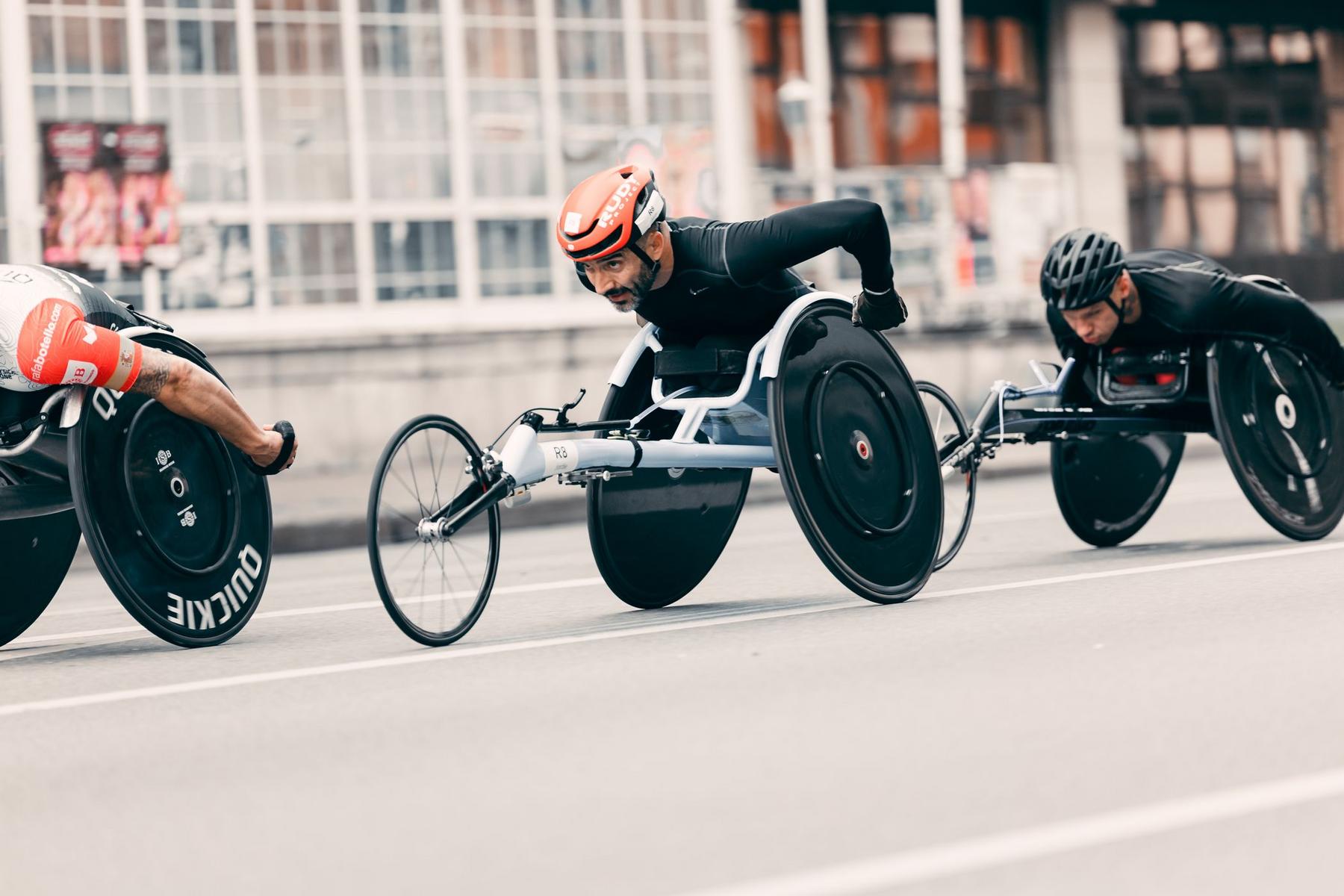
Wheelchair Sports
Wheelchair basketball, fundamentals programs, and Para squad initiatives provide structured opportunities for children, teens, and adults who use wheelchairs. These programs often offer introductory sessions free of charge for new participants.
Athletics, Running, and Cycling
For adults aged 25–54, running and cycling rank among the top activities nationally. Adapted versions of these sports, supported by trained coaches, make participation achievable for people with a wide range of physical and sensory disabilities.
Team Sports and Social Activities
Football, basketball, tennis, and bowls all feature as popular activities across different age groups. Inclusive versions of these sports – run through organisations like Special Olympics Queensland and The Disability Trust – emphasise participation, social connection, and fun over competition.
Arts, Music, and Creative Recreation
The NDIS recognises that recreation extends beyond sport. Arts-based activities – including music, drama, and visual arts – have been shown to improve outcomes for people with intellectual disability and psychosocial disability in particular.
The table below summarises popular activity types by disability category, based on Australian research:
| Disability Type | Well-Suited Activities | Key Considerations |
|---|---|---|
| Physical disability | Swimming, cycling, wheelchair sports, athletics | Equipment modification; transport access |
| Intellectual disability | Team sports, Special Olympics programs, arts | Trained support workers; structured routine |
| Autism spectrum | Individual skill-building, outdoor activities | Sensory-friendly environments; peer support |
| Vision impairment | Goalball, blind cricket, swimming | Wayfinding support; transportation access |
| Hearing impairment | Team sports, inclusive community programs | Communication strategies; interpreter support |
| Psychosocial disability | Group recreation, arts, outdoor activities | Community connection; group skill-building |
How Can NDIS Funding Support Disability Sports and Recreation Goals in Cairns?
One of the most common questions people have about Cairns disability sports and recreation is straightforward: Can the NDIS actually fund this?
The answer is yes – though it depends on how goals are framed within your NDIS plan.
The NDIS provides funding across two key categories that support sports and recreation participation:
- Core Supports – Covers community social and recreation activities, including group and centre-based activities (funding code 04102013661).
- Capacity Building – Covers community participation activities designed to build skills and independence (funding code 09011012563).
The NDIS may also fund specialised or modified sporting equipment under the Assistive Technology category, along with transport to and from activities and support worker costs to attend sessions.
To access this funding effectively, your NDIS plan should include clearly stated goals related to sport and physical activity. Examples of well-framed goals include:
- “I want to engage recreationally in sport.”
- “I want to engage socially with my peers and community.”
- “I want to increase my independence.”
- “I want to develop my social and communication skills.”
It is equally important to understand what the NDIS does not fund, including gym or sports club memberships, standard sports clothing, registration or entry fees, and participation at professional or elite competitive levels.
Working with a knowledgeable support team can make a significant difference in how effectively NDIS funding is accessed and applied to disability sports and recreation goals.
What Are the Biggest Barriers to Disability Sports Participation – and How Can They Be Overcome?
Understanding barriers is the first step toward removing them. Research consistently identifies the following as the most significant obstacles to Cairns disability sports and recreation participation:
Transportation
Transport is frequently cited as one of the largest barriers. Among people with vision impairment specifically, 94% require transportation support to access sporting activities. Geographic distance from facilities and limited accessible public transport are particularly challenging in regional Queensland, including Cairns.
Financial Pressures
Participation costs for people with disability often exceed those of the general population, encompassing specialised equipment, transport, support worker fees, and entry costs. Rising cost-of-living pressures have compounded this challenge in recent years.
Inaccessible Facilities
Many community sport and recreation facilities were not designed with universal access in mind. Inadequate parking, inaccessible changing rooms, poor paths of travel, and insufficient sensory-friendly spaces all create unnecessary barriers.
Lack of Trained Staff
The absence of coaches and support workers with disability inclusion training remains a systemic challenge. Positive, knowledgeable staff who understand the unique needs of participants make an extraordinary difference to the experience and outcomes of any program.
Information Gaps
Many people with disability – and their families – simply do not know what programs exist, how to access them, or how NDIS funding can support participation. Accessible, clear communication from providers and support teams is essential.
The most effective strategies for overcoming these barriers combine person-centred planning, skilled support workers, strong community partnerships, and practical solutions to transport and financial access.
How Do You Choose the Right Disability Sports and Recreation Program in Cairns or Brisbane?
Choosing the right program starts with the individual – their goals, interests, support needs, and what brings them joy. There is no single right answer, and the best programs are those built around the person rather than shaped to fit them into a predetermined mould.
When evaluating inclusive recreation options, look for programs that:
- Involve people with disability in their design and decision-making
- Are delivered by trained, compassionate staff who understand diverse support needs
- Offer genuine flexibility in activity types, schedules, and participation formats
- Provide clear information about accessibility, funding, and transport options
- Foster long-term community connection rather than one-off events
- Use universal design principles in their facilities and programming
Queensland Government funding programs – including the Active Clubs Fund and the Minor Infrastructure and Inclusive Facilities Fund – also support community sport providers in making their programs more accessible and inclusive.
For those with NDIS plans, aligning recreation goals with your plan at the outset is key to ensuring funding is available when and where it is needed most.
Cairns Disability Sports and Recreation: A Future Built on Inclusion
The landscape of disability sports and recreation in Cairns and across Queensland is evolving rapidly. Australia’s commitment to the 2032 Brisbane Paralympics has brought record investment in Para sport, with the Australian Government providing $54.9 million to support Para sport pathways – double previous funding levels. This investment signals a broader cultural shift: one in which people with disability are recognised not as passive recipients of care, but as active, capable contributors to sporting and community life.
The Australian Disability Strategy 2021–2031 explicitly identifies full participation in social, recreational, and sporting life as a national priority. That commitment, combined with growing NDIS support, expanding community programs, and a deeper understanding of the profound benefits of inclusive recreation, means the path forward is brighter than it has ever been.
Every person deserves the opportunity to move, play, connect, and thrive – regardless of ability, age, or support need. Cairns disability sports and recreation programs, at their best, make that possible.
Have questions? Need support? Reach out to us here at Advanced Disability Management. Our compassionate, experienced team in Cairns and Brisbane is ready to help you or your loved one explore inclusive sport and recreation opportunities – and get the most from your NDIS plan.
What disability sports and recreation options are available in Cairns, QLD?
Cairns offers a growing range of inclusive sport and recreation programs covering activities such as swimming, wheelchair sports, team sports, athletics, arts, and outdoor recreation. These programs are delivered through national disability sport organisations, local community groups, and disability support providers. The most suitable option will depend on individual interests, goals, and support needs.
Can my NDIS plan fund disability sports and recreation activities in Cairns?
Yes. NDIS funding can support disability sports and recreation in Cairns under both Core Supports and Capacity Building funding categories. This may include support worker assistance, transport to activities, and specialised equipment. To access this funding, it is important to have clearly articulated sport and recreation goals within your NDIS plan.
What are the health benefits of disability sports and recreation programs?
Disability sports and recreation programs deliver significant physical, psychological, and social benefits. These include improved cardiovascular fitness, greater strength and mobility, reduced anxiety and depression, better sleep quality, enhanced self-confidence, and stronger community connection. Research consistently shows that even moderate levels of physical activity produce meaningful wellbeing gains for people with disability.
What barriers do people with disability commonly face in accessing sports programs in Cairns?
Common barriers include transportation challenges, financial costs, inaccessible facilities, lack of trained staff, and limited awareness of available programs. Effective support teams—including knowledgeable NDIS support workers—can help individuals navigate and overcome many of these barriers through personalised planning and practical assistance.
How does disability sports and recreation support social inclusion and community participation?
Inclusive sport and recreation programs provide structured opportunities for social interaction, friendship building, and community belonging. NDIS research confirms that social and community participation gives people with disability deeper relationships, larger social networks, reduced isolation, and greater confidence. Group-based recreation activities are among the most effective strategies for fostering genuine social inclusion.