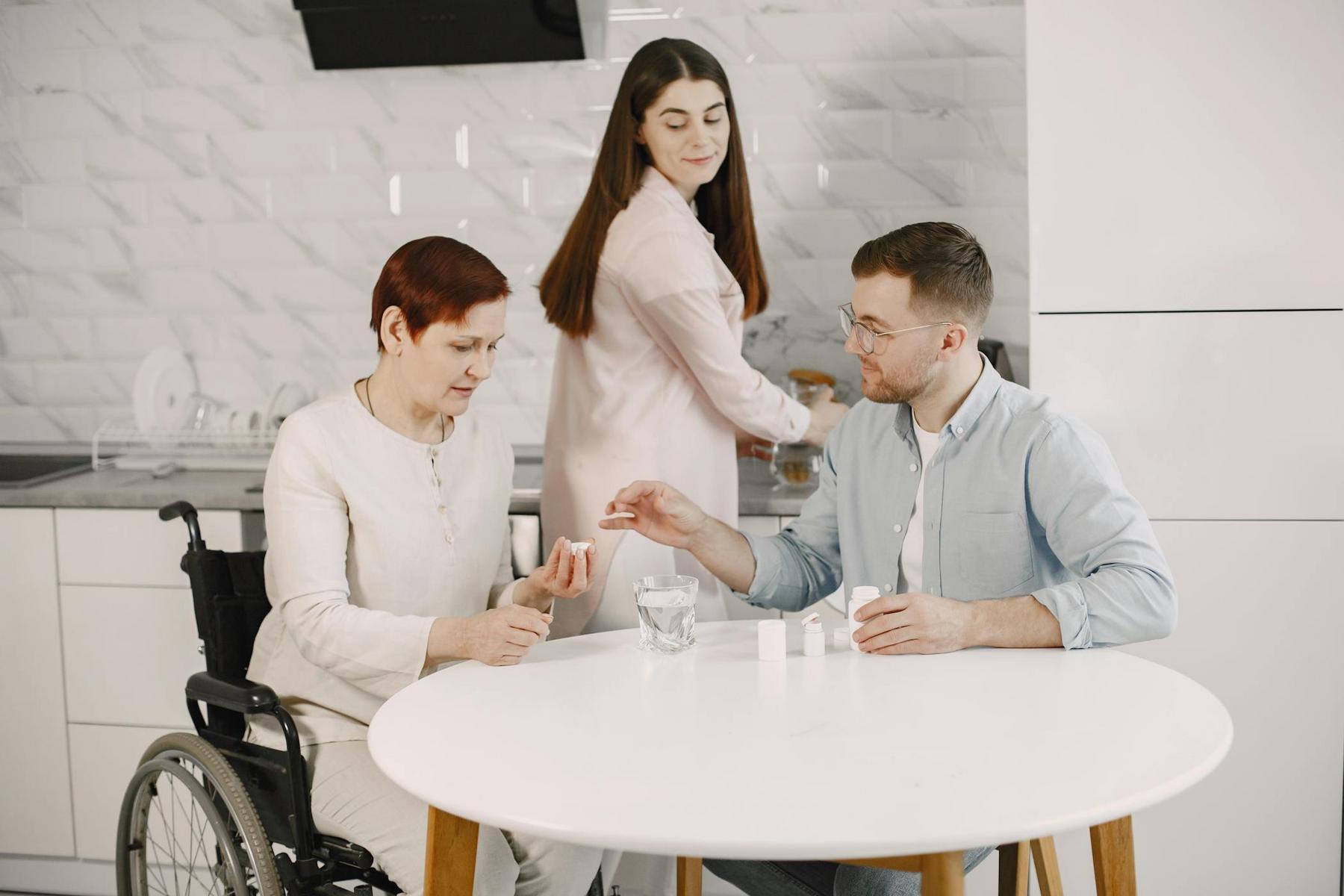
Imagine struggling with tasks most people take for granted—buttoning a shirt, preparing a simple meal, or confidently catching a bus into town. For many Australians living with disability, these everyday activities can feel overwhelming, limiting their independence and quality of life. Yet with the right support, these same individuals can develop the skills, confidence, and strategies to live more autonomously, participating fully in their communities across Cairns, Brisbane, and beyond.
Occupational therapy (OT) under the National Disability Insurance Scheme (NDIS) offers precisely this opportunity. Rather than focusing solely on treating a condition, occupational therapy addresses the real-world activities that matter most to you—the tasks that bring meaning, satisfaction, and independence to your daily life. Whether you’re a parent supporting a child with autism in Cairns, an adult with cerebral palsy in Brisbane seeking greater household independence, or someone managing a psychosocial disability, OT provides the practical tools and personalised strategies to help you thrive.
In Queensland, where $12.15 billion in NDIS funding was allocated in 2025, occupational therapy services represent a cornerstone of support for the 751,446 active NDIS participants nationally. With evidence demonstrating that OT interventions reduce the odds of poor outcomes in daily living activities by 33%, these services deliver measurable improvements in independence, safety, and wellbeing.
What Is Occupational Therapy and How Does It Support Daily Living Under the NDIS?
Occupational therapy is a client-centred health profession dedicated to helping individuals participate in the daily activities—or “occupations”—that bring them purpose and joy. Within the NDIS framework, OT takes this philosophy and applies it directly to the challenges faced by people with disabilities, focusing on building practical skills for greater independence.
The core principle is straightforward yet powerful: occupational therapists use evidence-based interventions to help you manage daily life through a combination of skill-building, adaptive strategies, and when appropriate, assistive technology and environmental modifications.
Under the NDIS, occupational therapy services are primarily funded through the Capacity Building – Improved Daily Living support category, specifically designed for assessment, training, and therapy that increases skills, independence, and community participation. Unlike many health services, no GP referral is required to access NDIS occupational therapy. You can self-refer, request support through your coordinator, or have family members arrange services on your behalf.
As of 30 September 2025, there were 751,446 active NDIS participants with approved plans, and occupational therapy plays a vital role in supporting many of these individuals toward their independence goals. The scheme’s Capacity Building Support category received $13.48 billion in allocation, representing the second-largest funding category after Core Supports.
Occupational therapists in Cairns and Brisbane work across multiple domains essential to daily living, including personal care routines, meal preparation, household management, money management, community access, and employment readiness. The beauty of OT lies in its practical, real-world focus—therapy happens in your home, your community, and the environments where you actually perform these activities.
How Does Occupational Therapy Build Independence in Essential Daily Activities?
Building independence through occupational therapy involves a systematic, evidence-based approach that addresses your unique needs, challenges, and goals. Rather than applying one-size-fits-all solutions, occupational therapists develop individualised intervention plans that work for you.
Comprehensive Assessment and Goal Setting
Every OT journey begins with a thorough functional assessment that evaluates your ability to perform daily tasks. Your occupational therapist will assess your physical abilities—including strength, coordination, and sensation—as well as cognitive functions like memory, attention, and problem-solving. Equally important is an environmental assessment of your home setup, available tools, and the specific barriers you face.
Based on this comprehensive picture, your OT develops a customised intervention plan directly aligned with your goals. These aren’t vague aspirations but concrete, achievable targets: “I want to cook my own breakfast independently” or “I want to catch the bus to my volunteer role without anxiety.”
Skill Development Through Practice
Occupational therapy employs targeted interventions focusing on practical skill development. This might involve physical exercises to enhance motor skills, coordination, and balance, or cognitive rehabilitation activities to strengthen memory and organisational abilities. The key is practice—repetition in real-world scenarios within your natural environments.
Consider a participant with cerebral palsy struggling to dress independently. An occupational therapist might introduce adaptive dressing techniques, recommend clothing with Velcro fasteners instead of buttons, implement hand-strengthening activities to improve dexterity, and provide strategies for completing this daily task without assistance. Each component builds toward the overarching goal of independence.
Environmental Modification and Adaptive Equipment
Sometimes independence isn’t about changing the person—it’s about changing the environment. Occupational therapists excel at identifying modifications and equipment that remove barriers to independence. This might include installing grab bars in bathrooms, adjusting counter heights in kitchens, adding ramps for accessibility, improving lighting throughout your home, or recommending assistive technology like modified utensils, dressing aids, or voice-activated home systems.
These modifications, often funded through NDIS Capital Supports, can dramatically transform your daily experience, making previously impossible tasks suddenly manageable.
Strategy Development and Habit Building
Beyond physical skills and environmental changes, occupational therapists teach practical strategies for managing daily life. These might include energy conservation techniques for those managing fatigue, sensory regulation strategies for individuals with autism, or structured routines that provide stability and reduce overwhelm.
Research demonstrates the effectiveness of this comprehensive approach. A Cochrane systematic review analysing 1,348 participants across 10 studies found that OT interventions reduced the odds of poor outcomes in personal activities of daily living by 33%. For every 11 patients receiving OT intervention, one patient was spared a poor outcome in personal ADL performance.
What Daily Living Skills Can OT Help You Develop in Cairns and Brisbane?
Occupational therapy addresses an extensive range of daily living skills, each tailored to your specific needs and circumstances. The breadth of support available through NDIS-funded OT services in Queensland is remarkable.
Personal Care and Hygiene Independence
Personal care represents one of the most fundamental areas where OT builds independence. This includes showering or bathing with safety adaptations, dressing using adaptive clothing or equipment, grooming and personal hygiene routines, toileting with necessary supports, and establishing consistent sleep routines.
A participant with Down syndrome might work with their occupational therapist to develop independence in household tasks through structured learning: sorting laundry by colour using visual supports, operating the washing machine with step-by-step instructions, folding clothes through hands-on practice and repetition, and gradually building confidence in household responsibilities.
Meal Preparation and Nutrition
Kitchen safety and food preparation skills unlock significant independence. Occupational therapists provide education on safe appliance use, knife handling, and proper food storage, alongside practical training in meal planning, budgeting, and preparing nutritious meals. For a participant with intellectual disability wanting to cook independently, therapy might involve visual recipe guides, hands-on practice with supervision, and graduated complexity as skills develop.
Household Management and Organisation
Managing a household involves numerous interconnected tasks: laundry management, cleaning routines, safe use of products, organisation systems, and shopping skills. Occupational therapists break these complex activities into manageable components, teaching them systematically while building confidence and competence.
Money Management and Community Participation
Financial literacy represents another crucial independence skill. Occupational therapy can support you in understanding budgeting concepts, using banking services, making informed spending decisions, and managing your NDIS funding appropriately. Real-life shopping scenarios, budgeting apps, and role-played situations help translate abstract concepts into practical skills.
Community integration extends independence beyond your home. This includes building confidence for social activities, learning to navigate public transport, accessing community services, and participating in volunteer or employment opportunities. A participant with anxiety disorder might work with their OT to gradually build public transport confidence, starting with short accompanied trips and progressively increasing independence and distance.
The following table illustrates key daily living domains and typical OT interventions:
| Daily Living Domain | Example Skills Addressed | Common OT Interventions |
|---|---|---|
| Personal Care | Showering, dressing, grooming, toileting | Adaptive equipment, safety modifications, technique training, routine development |
| Meal Preparation | Food safety, cooking skills, nutrition, kitchen organisation | Step-by-step guides, hands-on practice, safety education, adaptive tools |
| Household Management | Cleaning, laundry, shopping, organisation | Visual schedules, task breakdown, systematic training, organisational systems |
| Money Management | Budgeting, banking, spending decisions | Financial literacy training, budgeting apps, real-world practice scenarios |
| Community Access | Public transport, social participation, recreation | Graded exposure, route planning, confidence building, social skills coaching |
| Work/Study Skills | Task organisation, time management, workplace participation | Executive function support, environmental adjustments, task analysis |
How Do Cairns Occupational Therapists Assess and Plan for Your Independence Goals?
The assessment and planning process represents the foundation of effective occupational therapy. Understanding this process helps you engage more fully with your OT services and maximise outcomes.
Initial Comprehensive Assessment
Your first occupational therapy session typically involves goal identification—understanding which activities you want to perform independently—followed by current ability assessment across physical, cognitive, and emotional domains. Your therapist will evaluate your home and community environments, identify specific barriers to independence, and review your NDIS plan to ensure services align with approved funding.
This holistic assessment approach ensures nothing is overlooked. Your occupational therapist considers not just your capabilities but also your support networks, living situation, cultural background, and personal preferences. Every aspect that might impact your independence is examined.
Developing Your Intervention Plan
Based on assessment findings, your occupational therapist develops a practical programme addressing your priorities. This plan specifies which goals to address first, the strategies to achieve them, necessary equipment or modifications, realistic timeframes for progress, and a review schedule for monitoring and adjustment.
The intervention plan is a living document, not a rigid prescription. As you develop new skills, encounter challenges, or identify additional goals, the plan adapts accordingly. This flexibility ensures your OT services remain relevant and effective throughout your journey toward greater independence.
Implementation and Progress Monitoring
Therapy sessions are delivered in relevant settings—your home, community locations, schools, or workplaces—where you actually perform the activities you’re learning. Progress is tracked using validated outcome measures, including the Australian Therapy Outcome Measures for Occupational Therapy (AusTOMs-OT), which demonstrates high reliability for measuring change in client function over time.
Regular reviews with your support coordinator or plan manager ensure everyone understands your progress. Achievements are celebrated, challenges are addressed collaboratively, and the intervention plan is adjusted to reflect your evolving needs and capabilities.
Collaboration with Your Support Network
Effective occupational therapy extends beyond the therapist-client relationship. Family members and caregivers receive education about adaptive techniques and support strategies. They learn how to encourage independence appropriately—providing enough support to ensure safety while allowing you to develop skills through practice.
Your occupational therapist also coordinates with other professionals in your support network: support coordinators managing your overall plan, physiotherapists addressing mobility, speech pathologists supporting communication, psychologists working on emotional wellbeing, and teachers or employers facilitating participation in education or work settings. This multidisciplinary approach ensures holistic support addressing all dimensions of your life.
What Are the Proven Outcomes of Occupational Therapy for Daily Living Independence?
Evidence-based practice underpins quality occupational therapy services. Understanding the research helps you appreciate the value of OT interventions and set realistic expectations for outcomes.
Measurable Improvements in Daily Living
Multiple systematic reviews demonstrate occupational therapy’s effectiveness in building independence. Research on stroke recovery found that OT interventions significantly increased personal activity of daily living scores, with participants who received OT intervention demonstrating greater independence than those receiving no care or usual care.
The Australian Therapy Outcome Measures for Occupational Therapy (AusTOMs-OT) provides robust evidence of OT effectiveness within the Australian context. Research demonstrates inter-rater reliability with ICC coefficients ranging from 0.531 to 0.922 (moderate to very high), and intra-rater reliability ranging from 0.675 to 1.000. Occupational therapists can use AusTOMs-OT with confidence to establish global outcomes and build evidence-based practice.
For older adults with difficulty in activities of daily living, home-based interventions show particularly high benefit. The physical environment addressing was identified as crucial for promoting independence—precisely the comprehensive approach that occupational therapists bring to NDIS participants.
Quality of Life Improvements Beyond Functional Skills
The impact of occupational therapy extends far beyond the ability to complete tasks. Research demonstrates improvements across multiple life domains: increased independence reduces reliance on carers; improved self-esteem comes from greater confidence and achievement; enhanced safety results from reduced falls risk and hazard management; social participation increases as isolation decreases; and emotional wellbeing improves as anxiety about daily tasks diminishes.
From an economic perspective, the NDIS itself demonstrates strong value, with research indicating that for every $1 spent on the scheme, there is a $2.25 return on investment through increased productivity, reduced health costs, and enhanced quality of life.
Outcomes Across Different Disabilities
Occupational therapy effectiveness has been demonstrated across diverse disability groups. For individuals with autism spectrum disorder—representing the highest funded disability group at $11.83 billion in 2025—OT supports sensory regulation, routine building, social interaction coaching, executive functioning development, and school or workplace participation.
For people with intellectual disability (funded at $11.99 billion), OT facilitates life skills development, self-care independence, community participation, employment readiness, and social engagement. Those with psychosocial disabilities benefit from emotional regulation strategies, routine establishment for stability, social connection, stress management, and return-to-work planning.
Physical disabilities including cerebral palsy, spinal cord injury, and acquired brain injury are supported through motor skill development and adaptation, mobility and safety transfers, environmental modifications, assistive technology, and pain management strategies.
How Can You Access NDIS-Funded Occupational Therapy Services in Queensland?
Accessing occupational therapy through the NDIS involves a straightforward process, though understanding the steps ensures smoother engagement with services.
Checking Your NDIS Plan and Funding
Begin by reviewing your NDIS plan to confirm funding is allocated for occupational therapy services. Look specifically for “Improved Daily Living” under the Capacity Building support category, and verify the funding amount available. If your plan doesn’t include OT funding but you believe these services would support your goals, discuss this with your planner, Local Area Coordinator, or support coordinator at your next plan review.
Identifying Your Needs and Goals
Consider which daily activities are currently challenging for you and what independence goals you’d like to achieve. Being clear about your priorities helps you communicate effectively with potential occupational therapists and ensures services address what matters most to you.
Finding the Right OT Provider in Cairns or Brisbane
Queensland offers numerous NDIS-registered occupational therapy providers across Cairns, Brisbane, and regional areas. Services throughout rural, regional, and remote Queensland are provided by organisations operating across multiple communities, offering allied health including occupational therapy, home and community supports, and services accessible through NDIS and other government programmes.
When selecting an OT provider, consider their experience with your specific disability or needs, service delivery options (in-home, community-based, or telehealth), professional qualifications and approach, communication style, and flexibility in scheduling. Registered NDIS providers work directly with the scheme and have formal agreements ensuring quality standards.
Making Your Referral
One of the advantages of NDIS occupational therapy is that no GP referral is required. You can self-refer directly to your chosen provider, ask your support coordinator to arrange the referral, or request your plan manager’s assistance in connecting with appropriate services. This accessibility ensures you can commence services when you’re ready without unnecessary delays.
Beginning Your OT Journey
Your initial assessment session provides the foundation for effective therapy. Your occupational therapist will gather comprehensive information about your goals, challenges, abilities, and environment, developing a customised plan that guides your work together. Regular therapy sessions follow, delivered in locations that make sense for the skills you’re developing—typically your home or community settings where you’ll actually use these abilities.
Progress is reviewed regularly, with adjustments made as needed to ensure you’re moving toward your independence goals at an appropriate pace. Your achievements are documented and shared with your support network, celebrating progress while identifying any additional supports that might enhance outcomes.
Moving Toward Greater Independence with Confidence
Independence in daily living represents far more than completing tasks without assistance. It embodies dignity, choice, confidence, and the fundamental right to participate fully in your community. Through occupational therapy under the NDIS, participants across Cairns, Brisbane, and throughout Queensland are discovering their capacity for greater autonomy, developing skills they never thought possible, and building lives rich with meaning and connection.
The evidence is clear: occupational therapy delivers measurable improvements in daily living independence, with research demonstrating reduced poor outcomes, increased functional capacity, and enhanced quality of life across diverse disability groups. With 751,446 active NDIS participants nationally and $13.48 billion allocated to Capacity Building supports, occupational therapy services represent a cornerstone of disability support in Australia.
Whether you’re supporting a child with autism to develop school readiness skills, an adult with cerebral palsy to manage household tasks independently, or someone with psychosocial disability to build community connections, occupational therapy provides the practical tools, evidence-based strategies, and personalised support to make meaningful progress toward your goals.
The pathway to greater independence begins with a single step—identifying your goals, accessing appropriate supports, and committing to the journey. With skilled occupational therapists, NDIS funding, and your own determination, the daily living skills that feel challenging today can become tomorrow’s confident routines. Every small victory—buttoning that shirt, cooking that meal, catching that bus—represents not just task completion but expanded horizons and greater autonomy.
Your independence journey is uniquely yours, shaped by your circumstances, goals, and aspirations. Occupational therapy honours this individuality, providing tailored support that meets you where you are and helps you reach where you want to be. In Cairns and Brisbane, dedicated occupational therapists stand ready to partner with you in building the independent life you deserve.
Do I need a doctor’s referral to access NDIS occupational therapy services in Cairns or Brisbane?
No, a GP referral is not required. You can self-refer directly to an OT provider, ask your support coordinator to arrange services, or have a family member make the referral on your behalf.
What’s the difference between occupational therapy and physiotherapy under the NDIS?
Physiotherapy focuses primarily on physical movement, mobility, strength, and pain management, whereas occupational therapy addresses functional daily living skills—helping you dress, cook, manage money, and navigate public transport—with strategies that include skill training, adaptive equipment, and environmental modifications.
How long does occupational therapy take to show results in daily living skills?
The timeframe varies according to your personal goals, current abilities, and the complexity of the skills being developed. Some improvements can be seen within weeks, while more complex goals may take several months of consistent practice and therapy.
Can occupational therapy help with both children and adults under the NDIS?
Yes, occupational therapy services are tailored to support NDIS participants of all ages—from early intervention for children using play-based strategies to adults focusing on maintaining independence, employment support, and community participation.
What should I look for when choosing an occupational therapist in Cairns or Brisbane?
Look for an NDIS-registered provider with experience in your specific condition, a personalised treatment approach, flexible service delivery options (in-home, community-based, or telehealth), clear communication, and positive reviews from other clients. It’s a good idea to have an initial consultation to ensure the provider is the right fit for your needs.