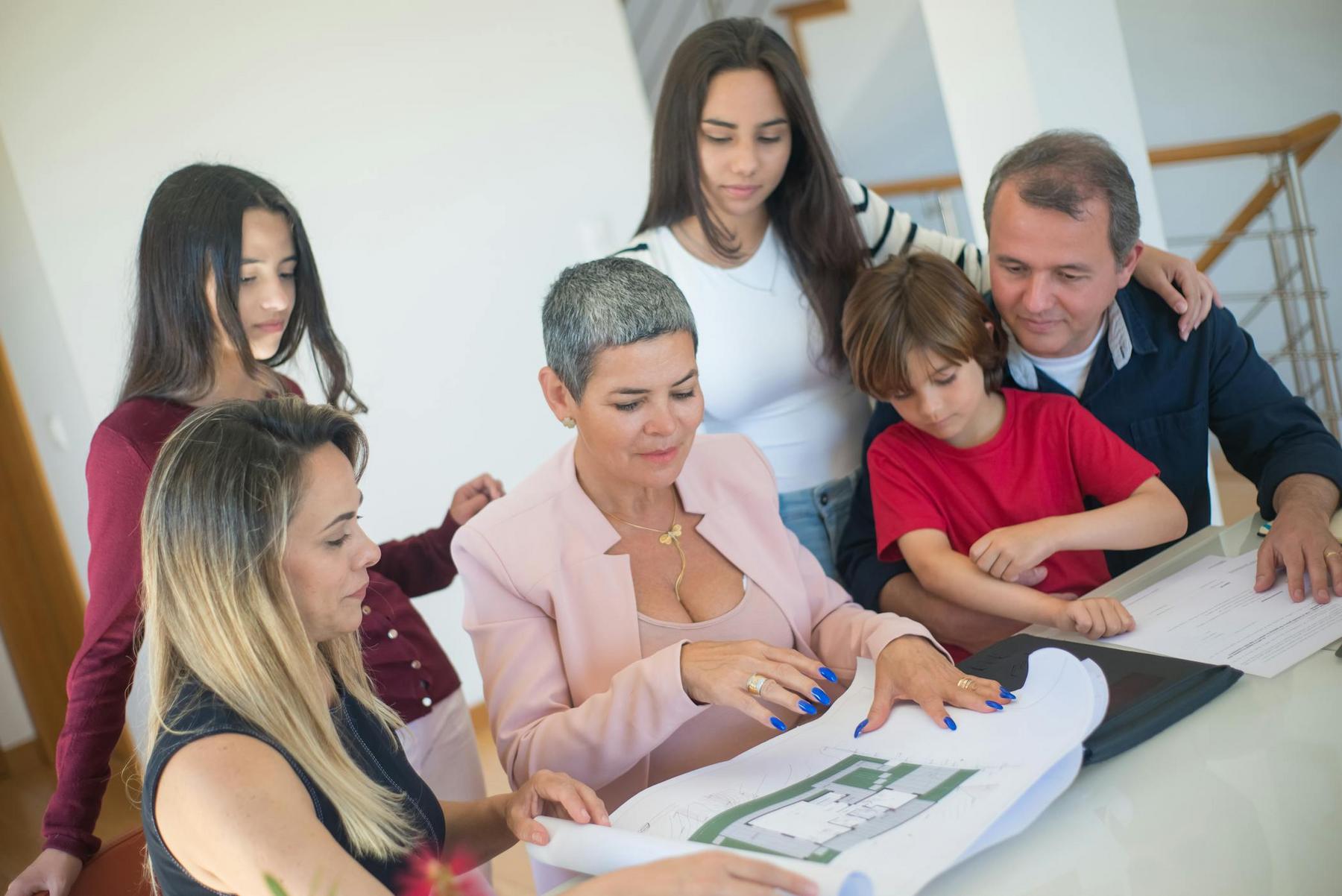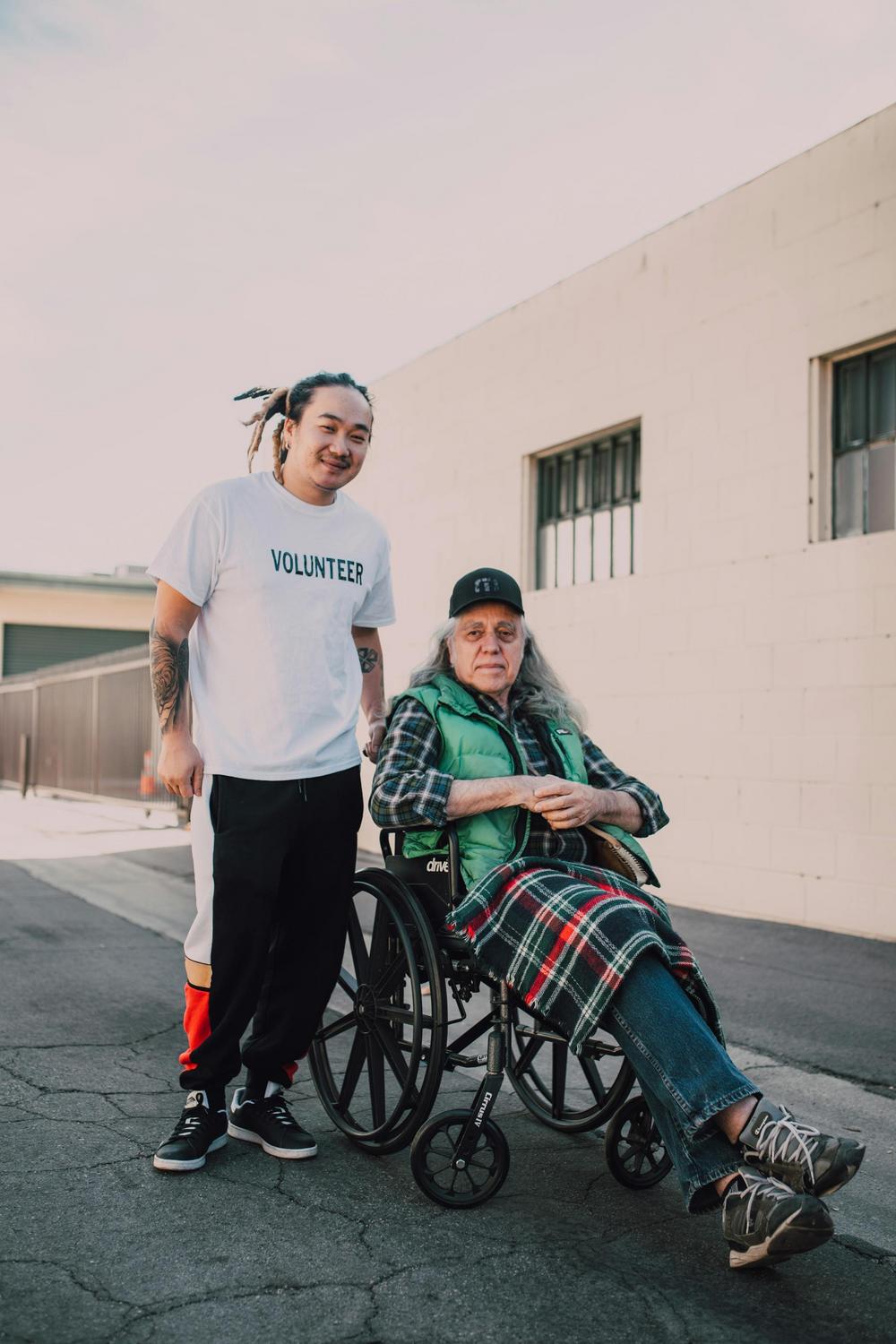
The relationship between a person with disability and their support worker is one of the most intimate, trust-dependent connections imaginable. Yet too often, this critical pairing happens by chance rather than design. When personalities clash or communication styles conflict, the consequences extend far beyond simple inconvenience—they can fundamentally undermine independence, dignity, and quality of life.
Across Cairns and Brisbane, NDIS participants and their families face a sobering reality: approximately one in four disability support workers leave their position each year, representing a turnover rate three times higher than the broader Australian workforce. This revolving door of carers doesn’t just create logistical challenges—it fractures the very foundation upon which effective disability support is built. The question isn’t whether personality matching matters in disability care; it’s why we haven’t made it the cornerstone of service delivery.
Why Does Personality Matching Matter in Disability Care?
Finding the right support worker through thoughtful personality matching isn’t a luxury preference—it’s essential for achieving meaningful outcomes under the NDIS framework. When values, communication styles, interests, and personality traits align between support workers and participants, something transformative happens: support becomes genuinely empowering rather than merely transactional.
Trust forms the foundation of effective care. In those early interactions, trust is fragile and must be earned through consistency, respect, and genuine understanding. When participants feel comfortable with their support worker, they create the safe environment necessary for vulnerability, growth, and authentic engagement. This psychological safety enables people to express preferences honestly, attempt challenging activities, and ultimately exercise the choice and control that sit at the heart of the NDIS.
The neurological reality of trust cannot be ignored. Our brains recognize patterns and create safety through familiarity. When support workers show up consistently—not just physically present, but emotionally consistent in their approach and values—the brain registers this reliability and relaxes its threat response. This neurological comfort translates directly into better health outcomes, increased willingness to engage in skill development, and improved mental wellbeing.
Research demonstrates that clients with consistent, well-matched support workers experience 30% fewer preventable hospitalisations. Medication management errors reduce by 45% when support workers understand an individual’s baseline health and can recognise subtle changes. These aren’t marginal improvements—they represent the difference between reactive crisis management and proactive, preventive care.
Communication efficiency accelerates dramatically when personality matching succeeds. Participants with consistent support teams require 40% fewer repetitions when discussing complex tasks. Shared shorthand communication develops naturally, reducing frustration from constant explanation. For people with complex communication needs who rely on alternative and augmentative communication (AAC) devices, sign language, or visual systems, having support workers who understand their unique style becomes even more critical.
Perhaps most compelling is the impact on skill development and independence. Clients with consistent, well-matched support teams are 2.3 times more likely to engage in vocational training compared to those with rotating support. The statistics are striking: 78% of participants with consistent support attempt new skills, versus just 32% with rotating support workers. This represents a 130% increase in vocational training engagement—the difference between stagnation and progress toward meaningful goals.
What Personality Traits Make an Effective Support Worker?
Finding the right support worker begins with understanding the essential characteristics that enable effective disability support. Whilst technical qualifications matter—such as Certificate III in Individual Support (Disability), First Aid certification, and NDIS Worker Screening Checks—the personality traits that support workers bring to the relationship often determine success or failure.
Empathy and compassion stand as non-negotiable foundations. Effective support workers possess genuine understanding of the experiences of others and a sincere desire to improve quality of life. This isn’t sympathy or pity; it’s the ability to see the world from a participant’s perspective, recognise their challenges, and be motivated to help without diminishing their agency or dignity.
Patience and resilience enable support workers to recognise that progress occurs in small steps, and every victory—no matter how minor it may appear—deserves celebration. The ability to stay positive and motivated even when progress seems limited, without expressing frustration when tasks take longer than expected, creates the steady foundation participants need during setbacks.
Exceptional support workers demonstrate adaptability and flexibility, understanding that each participant’s needs are unique and constantly evolving. They’re ready to adjust their approach based on individual circumstances, bringing creative problem-solving to unexpected situations whilst remaining calm under pressure. This flexibility extends to responding appropriately to changes in client condition, preferences, or environmental circumstances.
Reliability and professionalism might seem basic, but they create the stable, trustworthy environment where genuine relationships flourish. Showing up on time consistently, following through on commitments, maintaining professional boundaries, and arriving organised and prepared demonstrates respect for the participant’s time and dignity.
Essential Support Worker Characteristics
| Personality Trait | Why It Matters | Impact on Care Quality |
|---|---|---|
| Empathy & Compassion | Creates genuine understanding and emotional connection | Builds trust and psychological safety |
| Patience & Resilience | Enables steady support through setbacks | Reduces participant anxiety and encourages risk-taking |
| Strong Communication | Ensures needs are understood and met | Decreases frustration by 40% in task discussions |
| Reliability | Provides stability and predictability | Creates neurological safety through pattern recognition |
| Respectfulness | Honours participant dignity and autonomy | Empowers choice and self-determination |
| Adaptability | Responds to changing needs effectively | Supports personalised, flexible care delivery |
| Positivity | Builds confidence and self-esteem | Increases engagement in skill development by 130% |
| Emotional Intelligence | Manages emotions professionally | Reduces conflict and improves relationship quality |
Emotional intelligence represents the capacity to recognise and manage one’s own emotions whilst understanding the emotions of others. Support workers with high emotional intelligence understand that behaviour has meaning, can read non-verbal cues accurately, and use emotional information professionally to enhance care quality. This self-awareness enables personal growth and prevents burnout.
Critically, effective support workers demonstrate respect for individuals, recognising the inherent dignity and unique personhood of every participant. They respect choices and preferences, focus on abilities rather than limitations, treat participants as equals rather than inferiors, and bring cultural sensitivity and awareness to every interaction.
How Do Quality Providers Match Support Workers to NDIS Participants?
The process of finding the right support worker requires structured, thoughtful approaches that go beyond simply filling roster gaps. Quality disability care providers in Brisbane and Cairns implement comprehensive matching systems that prioritise long-term compatibility over short-term convenience.
In-depth participant profiling begins the process. This involves understanding the person, not just the support plan—exploring goals, preferences, sensitivities, communication needs and styles, daily routines and patterns, interests and passions, and specific support requirements. A thorough profile captures what matters to the person, how they prefer to communicate, what environments they thrive in, and what previous experiences have shaped their expectations.
Parallel to this, support worker profiling assesses soft skills and personality traits alongside technical qualifications. Quality providers evaluate cultural awareness, lived experience, languages spoken, values alignment, communication style, problem-solving approach, and specific areas of expertise. This dual profiling enables meaningful comparison and compatibility assessment.
Compatibility considerations examine multiple dimensions of fit. Shared or mutually respected values create common ground. Aligned communication styles—whether direct or gentle, verbal or non-verbal, detailed or concise—reduce friction. Compatible personality traits, such as an energetic participant paired with an enthusiastic support worker or a reserved person matched with a calm presence, enhance comfort. Mutual interests or shared passions provide natural conversation topics and activity ideas.
Cultural and linguistic needs deserve particular attention. For CALD (Culturally and Linguistically Diverse) participants, having support workers who understand language, faith, dietary preferences, and cultural norms proves essential to feeling safe and respected. Aboriginal and Torres Strait Islander participants may need support workers understanding local language, community dynamics, and cultural protocols. In Queensland’s diverse communities across Cairns and Brisbane, this cultural competency directly impacts care quality.
Trial periods and introductions provide critical opportunities to assess compatibility before long-term commitments. Initial meetings allow both parties to evaluate comfort and fit. Trial shifts, where appropriate, give practical insight into working relationships. Gradual introduction periods with overlapping shifts let participants build familiarity whilst maintaining security from established support workers. Crucially, feedback from all parties—participant, family members, and support workers—informs final matching decisions.
How Can Consistency Be Maintained in Support Worker Relationships?
The greatest challenge in achieving successful personality matching lies not in identifying compatible pairs, but in maintaining those relationships over time. With disability workforce turnover ranging between 14-25% per annum—meaning at least 45,900 workers leave the NDIS workforce each year—preserving continuity requires deliberate strategies.
Small dedicated teams offer more resilience than single carer models. Rather than relying on one support worker, quality providers assign 2-3 primary carers per participant. This maintains relational continuity when one team member is unavailable, enables better knowledge sharing within the team, and reduces disruption from single departures. Participants develop relationships with multiple compatible workers who share understanding of their needs and preferences.
Comprehensive documentation systems preserve knowledge when transitions become unavoidable. Digital platforms recording participant preferences, communication styles, trigger management, and successful approaches ensure new team members can quickly align with established patterns. Detailed one-page profiles capturing what matters to the person, thorough handover processes, and systematic information sharing prevent reliance on verbal-only knowledge transfer.
Quality providers implement thoughtful introduction processes that honour existing relationships whilst integrating new support workers. Careful shadowing periods allow new workers to learn directly from experienced team members. Gradual transitions with overlapping shifts mean established workers remain present whilst new workers build comfort and familiarity. This allows participants to assess personality fit whilst maintaining security.
Addressing the root causes of turnover proves equally important. The disability sector faces a retention crisis driven by burnout—62% of support workers report experiencing burnout frequently or all the time, and 55% have considered leaving the sector in the last 12 months. First-year attrition rates are particularly concerning, with some organisations reporting 22% turnover in the first 12 months of employment.
Robust supervision and support systems protect both workers and the relationships they’ve built. Regular constructive feedback, clarity about roles, acknowledgement of value, opportunities for debriefing after difficult situations, mentoring, professional development, and stress management support all contribute to retention. When support workers feel supported, they’re more likely to remain in their roles, preserving the continuity that benefits participants.
Clear career pathways transform disability support from a stopgap job into a viable long-term career. Visible progression opportunities, skill development and training access, leadership and mentoring roles, recognition of achievement, and demonstration of long-term career viability all reduce turnover and protect the investments made in personality matching and relationship building.
What Outcomes Can You Expect from Well-Matched Support?
The return on investment in thoughtful personality matching manifests across multiple outcome domains, creating measurable improvements in participant wellbeing, independence, and quality of life.
Independence and skill development accelerate when support workers understand how to calibrate challenge and support appropriately. Consistent relationships enable support workers to recognise patterns in learning, understand when to assist versus when to step back, and build confidence through incremental success. Participants make measurable progress on complex long-term goals rather than repeatedly starting from zero with new workers.
Behavioural and mental health outcomes improve significantly. Well-matched support relationships reduce stress and anxiety, decrease behavioural incidents, support better emotional regulation, improve self-esteem, and reduce social isolation and loneliness. For individuals with autism or intellectual disabilities who struggle with change and unpredictability, having consistent, compatible support workers proves particularly critical for emotional wellbeing.
Physical health and safety benefit from the early identification of health changes that only familiarity enables. Support workers who know a participant’s baseline health recognise subtle changes before they become emergencies. This leads to prevention of complications, appropriate medical management, reduced hospitalisation rates, and better medication adherence.
Community participation expands when support workers advocate for community access and assist with meaningful participation in society. Well-matched support relationships foster the confidence needed to engage with community, increase sense of purpose and belonging, enhance quality of life, and promote greater integration into community life.
Perhaps most importantly, goal achievement rates rise dramatically with consistent, well-matched support. Long-term focus on individual aspirations means each interaction contributes to meaningful progress. Higher completion rates of participant goals, better alignment with the person’s vision for their future, and sustained motivation all flow from relationships built on compatibility and trust.
Moving Forward: Your Path to Quality Support
Finding the right support worker through thoughtful personality matching represents one of the most significant investments you can make in disability care quality. The evidence demonstrates unequivocally that when support workers are carefully matched to participants based on personality, values, communication style, and compatibility, outcomes improve dramatically across health, independence, mental wellbeing, skill development, and community participation.
For NDIS participants and families across Queensland, the journey toward quality support begins with providers who recognise that qualifications alone don’t create effective care relationships. The human connection—built on genuine compatibility, mutual respect, and aligned values—transforms support from a service into a partnership.
The choice facing participants today isn’t simply between adequate and inadequate care. It’s between care that maintains the status quo and care that genuinely empowers growth, independence, and quality of life. When personality matching succeeds, support workers become trusted partners in pursuing meaningful goals, advocates for dignity and choice, and skilled facilitators of independence.
In an era of high workforce turnover and persistent retention challenges, finding providers who invest in structured matching processes, support worker wellbeing, and relationship continuity proves essential. The human and financial costs of mismatched support—measured in preventable hospitalisations, missed opportunities for skill development, increased anxiety, and diminished quality of life—far exceed the investment required to get matching right from the start.
How long does the personality matching process typically take when finding the right support worker?
The timeline for finding the right support worker through personality matching varies based on individual needs and circumstances, but quality providers typically invest 2-4 weeks in the process. This includes initial participant profiling, support worker assessment, compatibility review, introductory meetings, and trial periods where appropriate. While this may seem lengthy compared to immediate roster filling, the investment dramatically reduces the likelihood of mismatches that would require starting the process again.
What should I do if the personality match with my current support worker isn’t working?
If you’re experiencing difficulties with your current support worker, open communication represents the first step. Speak with your support coordinator or provider about specific concerns—whether related to communication style, reliability, approach to support, or simple personality incompatibility. Quality providers welcome this feedback and should respond with genuine efforts to address concerns through additional training, adjusted approaches, or if necessary, transitioning to a different support worker. The NDIS framework emphasises your right to choice and control, which includes requesting different support workers when matches aren’t successful.
Can personality matching accommodate specific cultural or linguistic requirements in disability support?
Yes, comprehensive personality matching explicitly considers cultural and linguistic compatibility. For CALD participants, having support workers who understand language, faith, dietary preferences, and cultural norms is essential to feeling safe and respected. Providers maintain diverse workforces and actively recruit workers with cultural competencies, language skills, and lived experience. Aboriginal and Torres Strait Islander participants, for example, should have support workers who understand local language, community dynamics, and cultural protocols.
How does personality matching work for participants with complex communication needs?
Personality matching for participants with complex communication needs requires careful assessment of communication style compatibility. Quality providers evaluate potential support workers’ experience with AAC devices, sign language, visual communication systems, and other alternative methods. Beyond technical capability, they look for patience, attentiveness to non-verbal cues, a willingness to learn participant-specific communication approaches, and comfort with extended communication times. Extended introduction periods and input from communication specialists often form part of this process.
What role do families play in the personality matching process for disability support workers?
Families often provide invaluable insights during the personality matching process, especially for participants who may have difficulty expressing preferences independently. Their input on communication styles, personality traits, interests, past experiences, cultural or linguistic needs, and successful support approaches can guide providers in making an optimal match. However, while family insights are important, the process should primarily serve the participant’s preferences and autonomy.