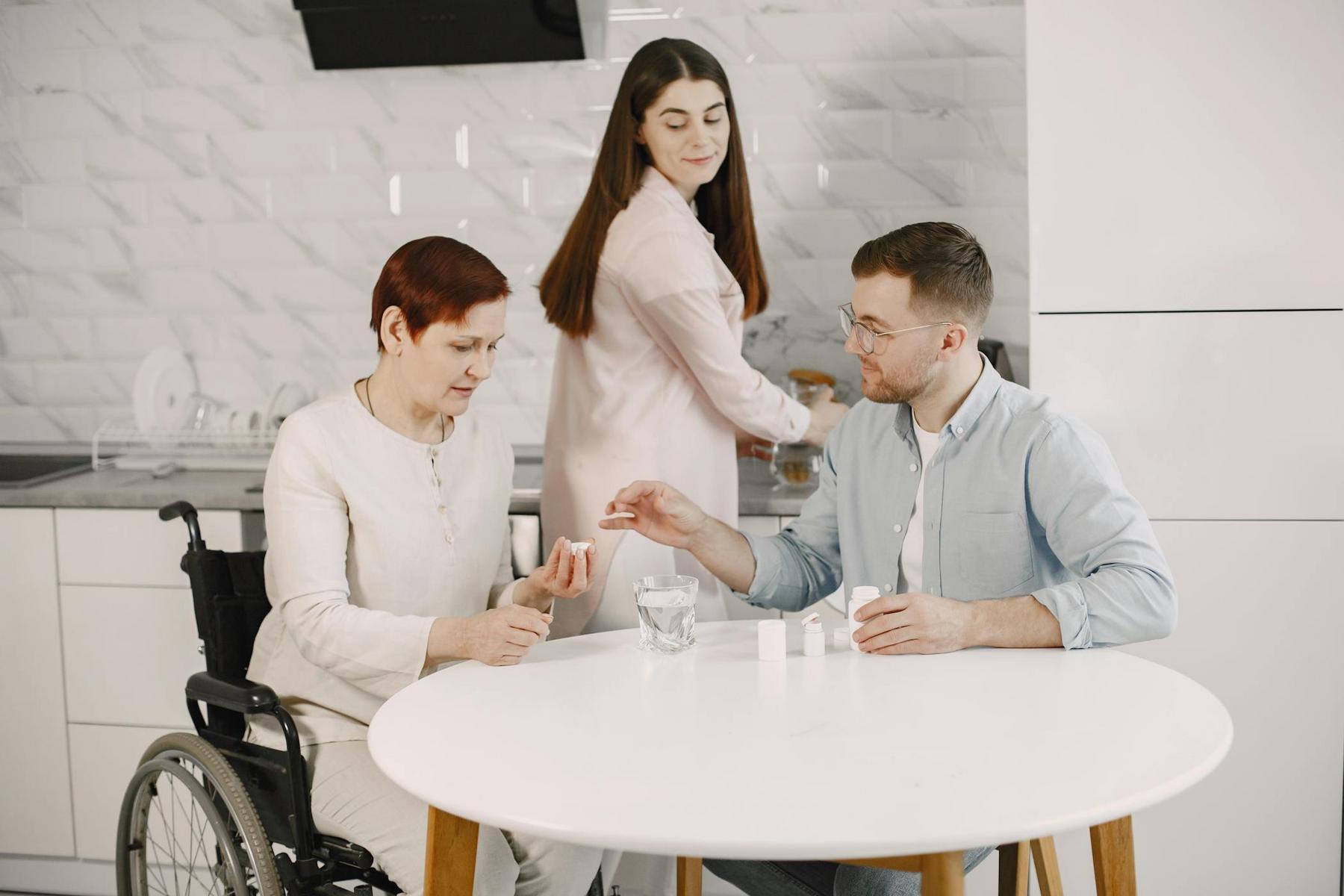
Change is part of life, but when you’re living with a disability, major transitions can feel overwhelming. Whether it’s leaving school, moving into your own home, starting a new job, or navigating health changes, these pivotal moments require more than just courage—they need proper support, planning, and resources. For NDIS participants across Queensland, including those in Cairns and Brisbane, understanding how the scheme supports life transitions can make the difference between struggle and success.
Life transitions for people with disabilities aren’t merely about getting through a change; they’re about building the capacity, confidence, and skills needed to thrive during and after major life events. The National Disability Insurance Scheme recognises that these moments require specialised support beyond daily care—and that’s where targeted transition assistance becomes essential.
What Are Life Transitions for People with Disabilities?
Life transitions encompass significant changes in circumstances that require adaptation, planning, and support. For people with disabilities, these transitions often present additional layers of complexity compared to the general population.
Common life transitions include:
- School-to-work movements that shift young people from the structured environment of secondary education into employment or further training.
- Moving from the family home to independent or supported accommodation, marking a milestone that requires new skills and confidence.
- Employment changes, whether starting a first job, changing careers, or re-entering the workforce, which involve navigating workplace environments and building necessary relationships.
- Housing transitions such as moving into Supported Independent Living or Specialist Disability Accommodation, each with unique challenges.
- Health changes, including adapting to new diagnoses or shifts in health status, and relationship changes that demand careful planning and emotional support.
- Educational transitions from school to tertiary education or vocational training, alongside retirement planning or overall life stage changes.
Research indicates that young people with disabilities, while sharing similar aspirations to their peers, face more obstacles during life transitions. Without adequate support, these periods can lead to isolation, service gaps, loss of progress, and reduced independence.
“The period between ages 15-24 is identified as critical for transition planning and implementation, with evidence suggesting planning should begin even earlier to maximise outcomes and opportunities.”
How Does NDIS Support Life Transitions Through Assist Life Stage Transition?
The NDIS provides a specific support category called “Assist Life Stage Transition” (Registration Group 0106), designed to help participants manage major life changes. Unlike daily living assistance, this capacity-building support is focused on preparing participants for future opportunities rather than just helping them cope with current challenges.
What makes this support unique:
- It focuses on building capacity, skills, confidence, and independence rather than simply providing care.
- Personalized transition planning, mentoring, and peer support are tailored to individual goals and circumstances.
- Skill-building sessions cover practical abilities, including daily living skills, communication, decision-making, and problem-solving.
- Support extends to community access, tenancy and household management for those moving into new accommodation, and employment preparation through job readiness training and travel training.
“Participants who actively took part in transition planning were four times more likely to experience employment outcomes, demonstrating the profound impact of engaged, person-centred planning.”
What Types of Major Life Changes Does NDIS Funding Cover?
School-to-Work Transitions
Employment transitions represent one of the most impactful changes in a young person’s life. Currently, only 23% of NDIS transition participants aged 15-24 are in paid employment at entry to the scheme. The NDIS addresses this through Youth Employment Transition Supports, which include job readiness training, workplace skills development, resume preparation, and on-the-job coaching among other supports.
Employment Outcomes by Disability Type (Ages 15-24):
| Disability Type | Employment Rate |
|---|---|
| Hearing Impairment | 52% |
| Multiple Sclerosis | 52% |
| Visual Impairment | 25% |
| Intellectual Disability | 19% |
| Autism | 15% |
| Cerebral Palsy | 12% |
Independent Living and Housing Transitions
Housing is fundamental to independence and quality of life. The NDIS supports transitions such as moving into Specialist Disability Accommodation (SDA) or Supported Independent Living (SIL). Current data highlights significant supply challenges, underscoring the need for robust support in securing appropriate accommodation.
Support in this area includes home modifications, assistance with tenancy agreements, daily living skills training, and community orientation.
Education Transitions
Moving from secondary education to tertiary or vocational training requires targeted supports. With rising educational attainment among students with disabilities, the NDIS provides assistance such as personal care during study, travel assistance, assistive technology, campus accommodation support, and dedicated skills development.
Health and Disability Changes
When facing new diagnoses or changes in health, adjustment is crucial. The NDIS offers support including assistive technology, home modifications, allied health services, mental health support, and emotional assistance to help manage these transitions.
When Should Transition Planning Begin and Who Should Be Involved?
Early planning is key. Research shows benefits when transition planning starts as early as ages 14-15. A structured timeline includes:
- Ages 14-15: Initial awareness and exploration of interests.
- Ages 16-17: Active planning and service exploration.
- Ages 17-18: Formal transition planning and intensive preparation.
- Age 18 and beyond: Implementation with ongoing support and reviews.
Key participants in the process include the individual, family members, educators, NDIS providers, support coordinators, therapists, and community organisations.
“Family involvement is considered best practice in transition planning, with family-centred approaches significantly increasing both student and parent expectations for successful outcomes.”
The planning process involves assessing strengths, setting short- and long-term goals, identifying necessary skills, consulting with professionals, and regularly reviewing the plan as circumstances evolve.
How Can You Access Life Transition Support in Cairns and Brisbane?
Accessing support begins with your NDIS plan. Discuss upcoming major life changes with your Local Area Coordinator or planner to adjust funding appropriately. In regions like Cairns and Brisbane, registered NDIS providers offer specialist transition supports tailored to individual needs.
Considerations include:
- The provider’s experience with your specific transition type.
- Their understanding of your disability and personal objectives.
- Their connections with local employment services, educational institutions, and housing providers.
Queensland-specific factors, such as service density differences between metropolitan and regional areas, play a role in support accessibility. Initiatives like the Queensland Government’s “Partnering for Inclusive Housing” plan further aim to improve outcomes in housing and community integration.
Requesting plan changes for transitions:
Contact your NDIS Local Area Coordinator, document the transition and its impact, and actively engage in the reassessment process to ensure your plan meets your evolving needs.
Supporting Your Journey Through Life’s Changes
Life transitions require a holistic approach that goes beyond conventional support—demanding planning, skill development, and confidence building. The NDIS, through its Assist Life Stage Transition category, offers a structured pathway to help individuals not only manage change but to embrace it as an opportunity for growth and independence.
Whether you are preparing for employment, seeking independent living, pursuing further education, or navigating health changes, early and engaged planning is vital. By starting conversations early, involving key supporters, and setting clear goals, transitions can transform into stepping stones toward a fulfilling future.
What is the Assist Life Stage Transition support category in my NDIS plan?
Assist Life Stage Transition (Registration Group 0106) is capacity-building support designed to help NDIS participants navigate major life changes. Unlike daily living supports, it focuses on building skills, confidence, and independence through personalized planning, mentoring, skill-building sessions, and coordinated support.
When should I start planning for major life transitions with NDIS support?
Research suggests that starting transition planning at ages 14-15 significantly improves long-term outcomes by allowing time to explore options, build necessary skills, and adjust goals. For adults, it is recommended to begin planning 12-18 months in advance to ensure a smooth transition.
Can I request additional NDIS funding specifically for life transitions?
Yes. Significant life changes such as moving from the family home to independent living, starting employment, or enrolling in further education can warrant a plan reassessment. Discuss your upcoming transition with your NDIS Local Area Coordinator or planner and provide supporting evidence to request additional or reallocated funding.
What employment support is available through NDIS for school leavers in Queensland?
NDIS offers Youth Employment Transition Supports that include job readiness training, workplace skills development, resume preparation, interview coaching, work experience coordination, on-the-job support, travel training, and workplace accommodation assessments to help school leavers transition into employment.
How do I find appropriate housing options when transitioning to independent living?
Start by discussing your housing goals during your NDIS planning meeting to assess eligibility for Specialist Disability Accommodation (SDA) or Supported Independent Living (SIL). Work with registered providers and a support coordinator to navigate the housing application process and connect with suitable accommodation options.