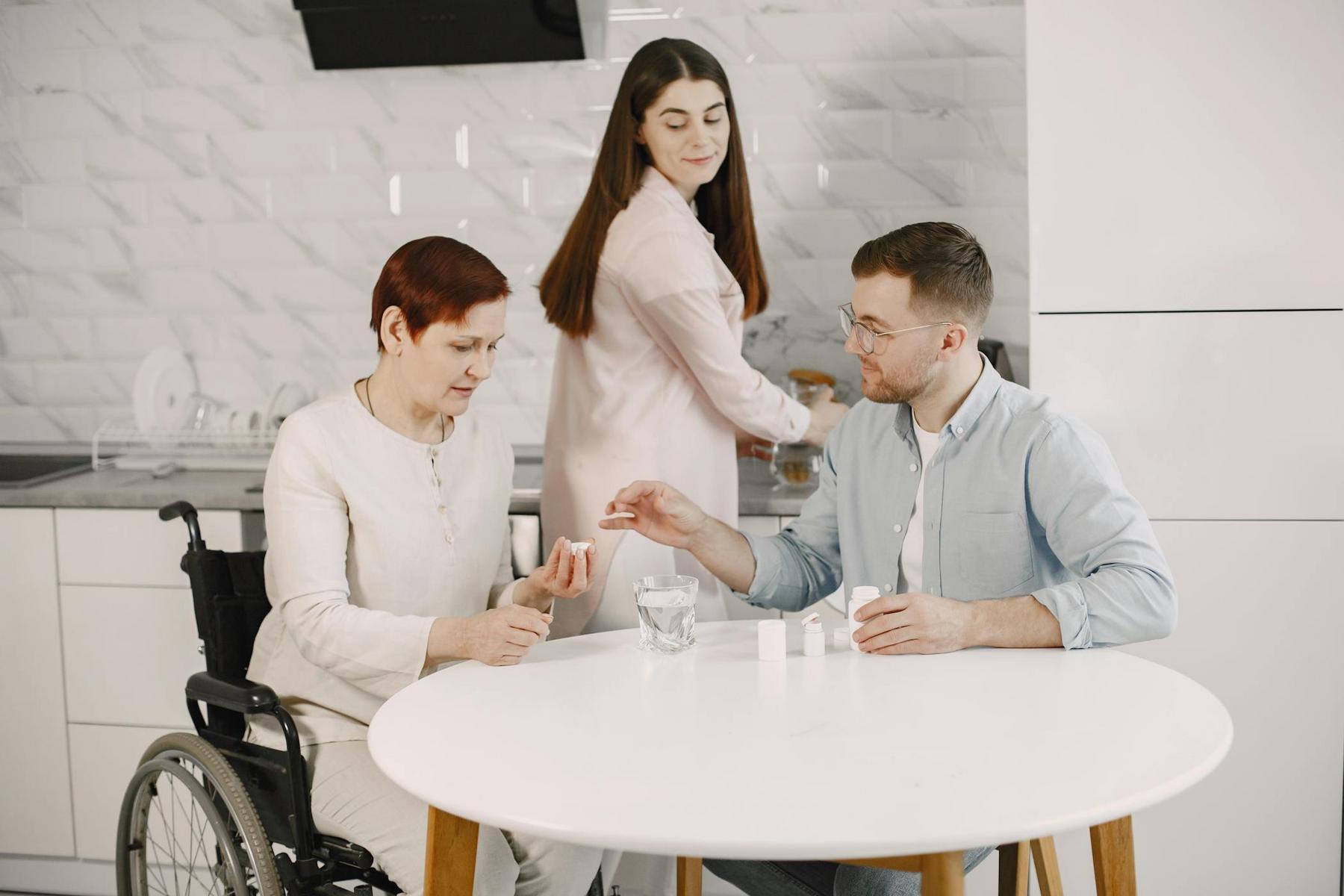
Navigating healthcare whilst managing a disability can feel like solving a puzzle with missing pieces. When you or a loved one needs medical attention at Logan Hospital, the experience shouldn’t mean starting from scratch every time, explaining your needs repeatedly, or feeling lost between different service providers. This is where coordinated care transforms everything—creating a seamless bridge between hospital services and ongoing disability support that truly puts the person at the centre.
For families across Queensland, particularly in the Logan, Brisbane, and Cairns regions, understanding how hospitals and disability services work together isn’t just about knowing the system—it’s about ensuring dignity, quality care, and genuine support when it matters most.
What Is a Coordinated Care Approach in Disability Services?
Coordinated care represents a fundamental shift in how health and disability services support individuals. Rather than operating in isolated silos, coordinated care creates an integrated delivery system across multiple sectors, resulting in what clients experience as seamless service and, most importantly, improved outcomes.
At its heart, coordinated care involves several essential elements working in harmony. A designated care coordinator or case manager facilitates services, ensuring everyone involved communicates effectively. This doesn’t mean one person provides everything—rather, they orchestrate the various supports needed, from medical specialists to allied health professionals, disability support workers to community services.
The approach recognises a fundamental truth: people with disability often have complex, interconnected needs. Physical health intertwines with mental wellbeing. Medical treatment connects to daily living support. Hospital care transitions into community-based assistance. When these elements work together through coordinated planning and collaborative delivery, the person receives truly holistic support rather than fragmented services.
Research consistently demonstrates that coordinated care approaches reduce service fragmentation, enhance communication between providers, enable more responsive support delivery, and prevent crises through proactive monitoring. For individuals and families, this translates into greater satisfaction with their overall support experience and more efficient use of precious resources.
How Does Logan Hospital Integrate Disability Services?
Logan Hospital, located in Meadowbrook at the corner of Armstrong and Loganlea Roads, operates as Queensland’s comprehensive medical centre within Metro South Health. With 448 beds and Queensland’s second busiest Emergency Department handling over 109,000 presentations annually, the hospital serves a diverse, growing population—characteristically younger, more culturally and linguistically diverse than the national median.
The Integration Framework
The hospital’s integration with disability services operates through multiple carefully designed pathways. From the moment someone with disability enters Logan Hospital, systems activate to ensure their needs are identified and accommodated throughout their healthcare journey.
Admission and Screening Processes
Pre-admission and admission screening identifies disability-related needs early. This isn’t merely about recording diagnoses—it’s about understanding how someone communicates, what adjustments they require, who their support team includes, and how their disability impacts their healthcare experience. For NDIS participants, this includes connecting with existing plan managers and support coordinators.
Multidisciplinary Team Coordination
Hospital teams—comprising doctors, nurses, physiotherapists, occupational therapists, speech pathologists, social workers, and psychologists—conduct regular reviews addressing physical, mental, and social aspects of care. Clear communication protocols ensure every team member stays informed, whilst the person with disability remains involved in all care planning and decision-making.
Discharge Planning Excellence
Perhaps most critically, discharge planning begins well before someone leaves hospital. Collaborative planning involves healthcare providers working alongside disability support services to ensure continuity from hospital to community-based support. For NDIS participants, this means coordinating with support coordinators to adjust plans if needs have changed, arranging necessary equipment or home modifications, and ensuring support workers understand any new care requirements.
Reasonable Adjustments and Accessibility
Logan Hospital implements reasonable adjustments recognising that quality healthcare requires more than medical treatment—it demands accessibility and inclusion. Staff receive training in disability awareness and inclusive communication. Physical accessibility features support mobility and participation throughout the facility. Communication support assists patients with hearing, speech, or cognitive disabilities, whilst dedicated quiet spaces accommodate those with sensory sensitivities or anxiety disorders.
Flexible policies welcome disability support workers and family carers into healthcare settings, acknowledging their vital role in a person’s care team. These adjustments transform hospital experiences from potentially overwhelming to genuinely supportive.
What Are the Key Benefits of Coordinated Care for People with Disability?
The evidence base for coordinated care’s effectiveness continues strengthening, with both research and lived experience demonstrating tangible benefits across multiple dimensions.
Enhanced Health Outcomes and Crisis Prevention
When services coordinate effectively, health monitoring becomes proactive rather than reactive. Support coordinators, disability workers, and healthcare providers maintain regular communication, identifying potential issues before they escalate into crises requiring emergency intervention. This preventative approach means fewer hospital admissions for conditions that could have been managed in community settings with proper coordination.
Consider the person managing both diabetes and intellectual disability. Without coordination, medication management might falter, dietary requirements might be misunderstood, and routine monitoring might be missed—leading to preventable hospitalisations. With coordinated care, the GP, endocrinologist, dietitian, support coordinator, and disability support workers all understand their roles in maintaining stable health, communicating regularly about concerns.
Reduced Service Fragmentation
Australia has 5.5 million people with disability—21.4% of the population—yet only approximately 518,000 receive NDIS support. This means most people with disability navigate mainstream services alongside disability-specific supports, creating potential for significant fragmentation without effective coordination.
| Service Area | Without Coordination | With Coordination |
|---|---|---|
| Healthcare | Multiple appointments, repeated assessments, inconsistent information | Single comprehensive assessment, shared information, aligned treatment plans |
| Daily Support | Gaps in service delivery, unclear responsibilities | Seamless support provision, clearly defined roles, consistent care |
| Crisis Response | Reactive interventions, emergency presentations | Proactive monitoring, early intervention, crisis prevention |
| Communication | Patient repeatedly explaining needs | Information shared appropriately across team members |
| Goal Achievement | Fragmented approach to objectives | Coordinated efforts toward shared goals |
Improved Mental Health and Wellbeing
Mental health represents a growing proportion of disability presentations, with 24.7% of people with disability reporting mental or behavioural disorders as their main condition. The integration of mental health services within coordinated disability support proves particularly crucial, as mental health impacts can be both primary disabilities and secondary to physical disability.
Coordinated approaches involving mental health professionals, disability support workers, healthcare providers, and allied health teams create wraparound support preventing deterioration. Regular team communication through shared protocols ensures early identification of concerns, whilst person-centred approaches respect individual preferences and maintain dignity throughout support delivery.
Greater Participant Satisfaction and Autonomy
Perhaps most importantly, coordinated care enhances satisfaction with overall support experiences. When someone doesn’t need to repeatedly explain their needs, chase up different services, or feel lost between providers, they experience genuine support rather than administrative burden. This autonomy—the ability to participate meaningfully in coordinated care planning whilst trusting the system works cohesively—represents the ultimate measure of success.
How Do NDIS Support Coordination Levels Work Within Hospital Settings?
The National Disability Insurance Scheme, processing between 300,000 and 500,000 payments daily, provides Australia’s primary disability funding framework. Within this system, three distinct levels of support coordination operate, each designed for different complexity levels and each interacting differently with hospital services.
Level 1: Support Connection
Support Connection provides basic guidance for participants with straightforward support needs. When someone at this level enters Logan Hospital, their Local Area Coordinator might assist with simple service connections—perhaps arranging transport home after discharge or confirming existing supports remain appropriate. This level suits people whose hospital experience doesn’t significantly impact their ongoing disability support needs.
Level 2: Coordination of Supports
Most NDIS participants receive Coordination of Supports—the standard level for those requiring consistent assistance navigating their plans. When hospitalisation occurs, Level 2 coordinators become vital links between hospital and community services.
They attend discharge planning meetings, ensuring hospital staff understand existing supports and any NDIS-funded equipment or modifications. They coordinate adjustments to support hours if recovery requires additional assistance. They liaise with allied health professionals about therapy continuity. They ensure the transition from hospital to home occurs smoothly, with all necessary supports confirmed before discharge.
For Brisbane and Cairns residents, Level 2 coordinators familiar with regional service landscapes prove invaluable, knowing which local providers can respond quickly, understanding local hospital systems, and maintaining relationships facilitating seamless coordination.
Level 3: Specialist Support Coordination
Specialist Support Coordination addresses high-risk or complex situations—participants with multiple disabilities, significant mental health needs, complex behaviours requiring specialised approaches, or unstable living situations.
When someone requiring Level 3 support enters hospital, their specialist coordinator engages intensively with medical teams. They provide crucial context about the person’s disability, communication needs, behaviour management strategies, and risk factors. They participate actively in multidisciplinary team meetings, contribute to intervention planning, and coordinate complex discharge arrangements potentially involving multiple services, specialised equipment, and behaviour support plans.
This intensive coordination proves essential for preventing readmissions, ensuring safety, and maintaining quality of life for people with the most complex needs navigating hospital systems.
What Challenges Exist in Accessing Coordinated Disability Services?
Despite best intentions and frameworks, significant barriers persist in accessing truly coordinated care between hospitals and disability services—barriers requiring ongoing attention and innovative solutions.
Geographical and Service Availability Challenges
Queensland’s vast geography creates inherent coordination challenges. Whilst Logan Hospital serves its metropolitan catchment effectively, the broader picture reveals significant disparities. Research demonstrates considerable variability in access potential, particularly to medical specialist services. Travel times exceeding 60 minutes to allied health services associate with 260% higher odds of perceiving resource availability as an obstacle.
Regional communities face substantial service gaps. Very poor access to certain allied health services—particularly speech pathology—exists even in metropolitan regions. For Cairns and Far North Queensland residents, these geographical realities shape service delivery models, requiring flexible approaches, outreach services, and creative coordination strategies.
Healthcare System Barriers
People with disability consistently face barriers within healthcare settings that coordinated care must actively overcome. Inadequate staff training in disability care remains common. Communication barriers affect people with hearing, speech, or cognitive disabilities. Physical accessibility challenges persist with buildings and equipment—mammography machines designed without considering mobility disabilities exemplify this issue.
Perhaps most concerning, discriminatory attitudes and lack of disability awareness among some healthcare workers create trust barriers and reluctance to seek care. Data reveals 9.9% of people with disability experienced discrimination in 2022, with service and hospitality staff representing the most common source at 38.6%. These experiences undermine the foundation coordinated care aims to build.
System Complexity and Navigation
The complexity of navigating multiple systems—hospital services, NDIS plans, Medicare, mainstream services, state disability services—overwhelms many people and families. Approximately 935,000 Queenslanders have disability, yet fewer than 121,000 receive NDIS support. The majority navigate mainstream services without specialist coordination, facing fragmented systems without a designated coordinator to bridge gaps.
Different terminology, eligibility criteria, referral pathways, and communication systems across services create confusion. Hospital discharge planning might use different timeframes than NDIS plan reviews. Allied health assessments might duplicate rather than complement existing reports. Without active coordination, these systemic disconnects burden individuals and families rather than supporting them.
Workforce Capacity and Training Gaps
Recruitment and retention challenges in regional areas affect coordination capacity. Support coordinators and disability support workers with comprehensive knowledge of both disability services and hospital systems remain scarce. Training gaps mean some healthcare professionals lack confidence supporting people with complex disabilities, whilst some disability workers feel uncertain engaging with medical teams.
Building workforce capacity across sectors—disability competency for health workers, health literacy for disability workers—represents ongoing work essential for effective coordination.
How Can Regional Queensland Residents Access Quality Coordinated Care?
For families in Cairns, Brisbane, and regional Queensland, accessing quality coordinated care requires understanding available options and connecting with services designed for regional contexts.
Understanding Regional Service Models
Regional centres like Cairns provide local services whilst potentially requiring travel for specialised appointments. Several models operate effectively in regional Queensland:
Hub and Spoke Models: Regional centres provide base services, with outreach to smaller communities and remote locations supported by central hubs. This enables access without requiring everyone to travel to major centres for routine support.
Flexible Service Delivery: Quality regional providers adapt services to population dispersion and local circumstances. This might include telehealth for some consultations, intensive visits followed by maintenance support, or coordination with local mainstream services filling gaps.
Local Knowledge and Relationships: Regional-based support coordination services understanding local service landscapes prove invaluable. They identify high-quality providers, navigate both mainstream and specialised services, build relationships facilitating quick responses, and facilitate community connections supporting social inclusion beyond formal services.
Connecting with Support Coordination Services
For NDIS participants, support coordination funding appears in plans when assessed as necessary. If hospitalisation or changing circumstances reveal coordination needs, plan reviews can add this funding. Requesting support coordination through planning conversations ensures assessment of whether Level 1, 2, or 3 coordination best suits individual circumstances.
For those without NDIS access, alternatives exist. Some Hospital and Health Services employ social workers and discharge planners coordinating transitions. Carers Queensland provides support for the approximately 191,000 Queenslanders providing primary care. Local community health services offer case management for complex needs.
Advocating for Coordinated Care
Self-advocacy and family advocacy drive improved coordination. This includes:
- Clearly communicating coordination needs to healthcare providers
- Requesting involvement in discharge planning meetings
- Ensuring all providers have consent to communicate
- Maintaining personal health records documenting needs and preferences
- Asking questions about how different services will coordinate
- Following up when coordination gaps emerge
Health passport initiatives—trialled across Queensland Health—empower individuals to carry key information supporting continuity of care. These tools, combined with assertive but respectful advocacy, strengthen coordination even within imperfect systems.
Building Support Networks
Beyond formal services, peer support networks and disability advocacy organisations provide invaluable assistance navigating coordination challenges. Queensland Disability Network, local disability advocacy services, and condition-specific organisations offer information, support, and collective advocacy for system improvements.
Moving Toward Truly Integrated Care
Queensland’s disability services landscape continues evolving toward genuine integration between hospital services and disability support. Logan Hospital operates within sophisticated frameworks—Australia’s Disability Strategy 2021-2031, Queensland’s Disability Plan 2022-2027, the NDIS Act and Rules, and health service standards—all emphasising coordinated, person-centred, rights-based approaches.
The statistics paint both progress and persistent challenges. Whilst labour force participation for people with disability increased to 60.5% in 2022, it still lags significantly behind the 82.3% rate for people without disability. Year 12 completion rates improved to 45.3%, yet substantial educational gaps remain. Discrimination experiences, though affecting 9.9% of people with disability, disproportionately impact younger people and LGBTQ+ individuals with disability, signalling work ahead on community attitudes.
For families navigating disability and healthcare in Brisbane, Cairns, and across Queensland, coordinated care represents not merely an administrative improvement but a fundamental right—the right to healthcare that recognises and responds to disability, the right to support that follows seamlessly across settings, and the right to be heard, valued, and included in every decision affecting one’s care.
The coordinated care approach brings together hospital expertise, disability knowledge, lived experience, and community support. It transforms potential fragmentation into genuine integration. When implemented effectively with person-centred values, adequate resourcing, and commitment across all sectors, coordinated care enables people with disability to access healthcare with dignity, receive support with continuity, and live with the autonomy everyone deserves.
Quality coordinated care in regional Queensland depends on services understanding local contexts, maintaining flexibility, building strong relationships across sectors, and placing the person—not systems—at the centre of everything.
How does Logan Hospital identify disability needs when someone presents to Emergency?
Logan Hospital’s Emergency Department—Queensland’s second busiest with over 109,000 annual presentations—employs screening processes that identify disability-related needs during triage and initial assessment. Staff trained in disability awareness look for indicators such as communication needs, existing support arrangements, NDIS participation, medications suggesting underlying conditions, and behavioural presentations that may relate to a disability. This early identification triggers coordinated responses involving social workers, specialist consultations when appropriate, and connection with existing support coordinators for NDIS participants, ensuring that disability needs inform treatment from the outset.
What happens if my NDIS plan doesn’t cover adequate support coordination?
If your NDIS plan lacks support coordination funding but you experience coordination challenges—particularly following hospitalisation or changing circumstances—you can request a plan review. The NDIS allows participants to request reviews when circumstances change significantly, when stated goals aren’t being met with current supports, or when coordination needs become apparent. Be prepared for review conversations by documenting the coordination challenges you’ve experienced, explaining how these affect your ability to use your plan effectively, and requesting an assessment for the appropriate support coordination level (Level 1, 2, or 3). If your review request is declined, the NDIS internal review process provides recourse, and advocacy organisations can assist you in navigating this process.
Can my disability support workers attend hospital appointments with me?
Absolutely. Hospital policies increasingly recognise disability support workers as essential members of the care team. Your support worker can attend appointments to provide communication assistance, help you understand medical information, support decision-making, and ensure healthcare providers are aware of your needs and preferences. When booking appointments, inform hospital staff that you will be accompanied by a support worker so they can plan accordingly. For NDIS participants, the time a support worker spends at healthcare appointments generally falls under Core Supports funding, and having documentation from your healthcare provider can help with NDIS claims if there are any questions about whether this constitutes reasonable NDIS-funded support.
How can I access coordinated care in Cairns if I’m not on the NDIS?
Accessing coordinated care without NDIS participation involves connecting with mainstream services that offer case management and care coordination. Begin by consulting your General Practitioner, who can help coordinate your healthcare team and make referrals to appropriate services. Queensland Health’s Hospital and Health Services, including Cairns Hospital, employ social workers and discharge planners to coordinate complex care transitions. Additionally, My Aged Care (if you are aged 65 or older) and local community health centres offer case management for people with complex needs. Carer support organisations and local disability advocacy services can also help identify available coordination resources and assist with navigating fragmented systems.
What should happen when I’m discharged from Logan Hospital with ongoing disability support needs?
Effective discharge planning for those with ongoing disability support needs should involve coordinated steps before leaving the hospital. Hospital staff should hold discharge planning meetings that include you (and your family if desired), your support coordinator (if applicable), relevant allied health professionals, and possibly your GP or specialist. Together, you should develop a clear discharge plan that documents your current health status, any medication changes, follow-up appointment requirements, equipment or home modifications needed, support hours required during recovery, and any adjustments in care tasks for support workers. You should receive written discharge information in accessible formats, and your support coordinator should confirm that all supports are in place before discharge to prevent any unsafe early release.