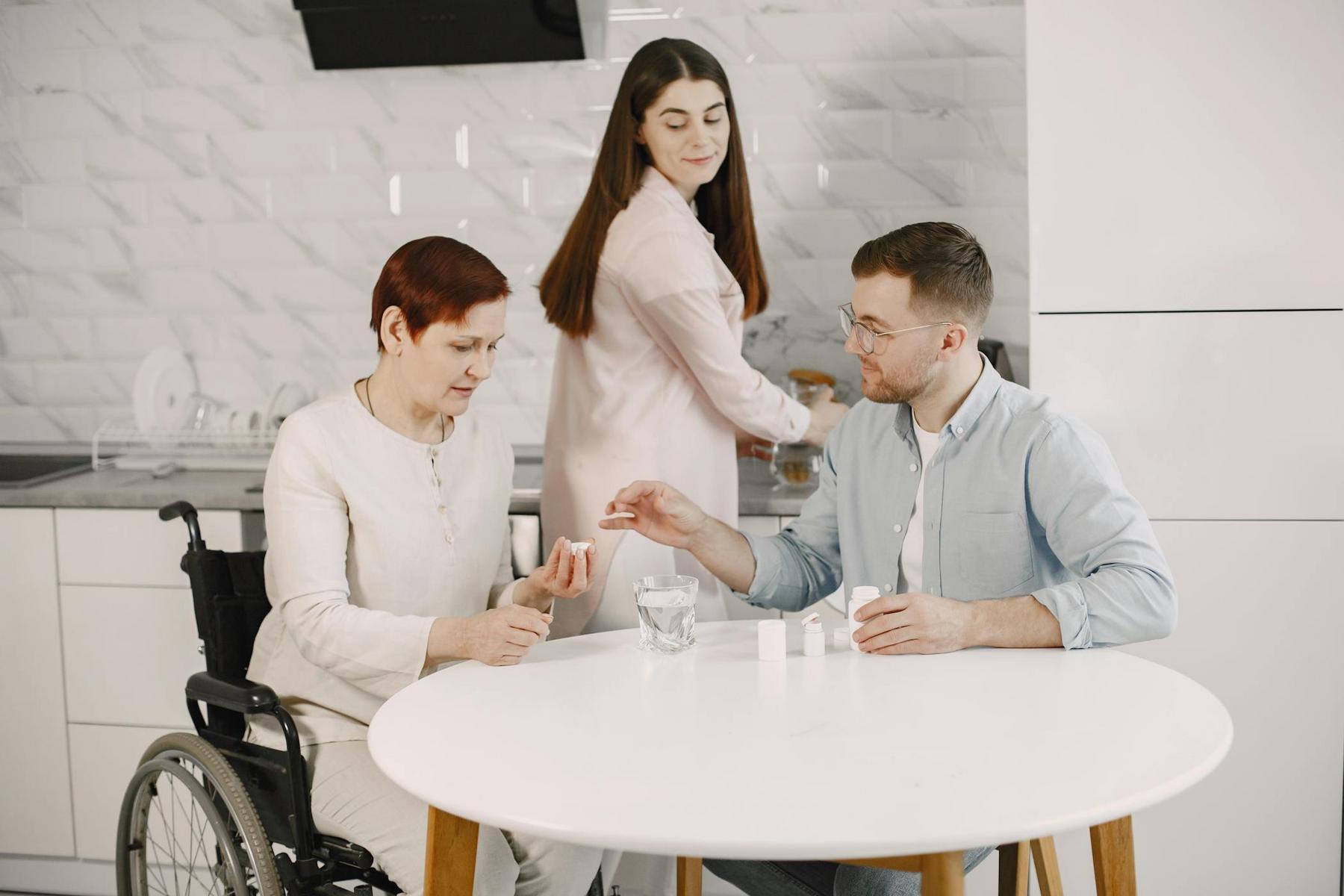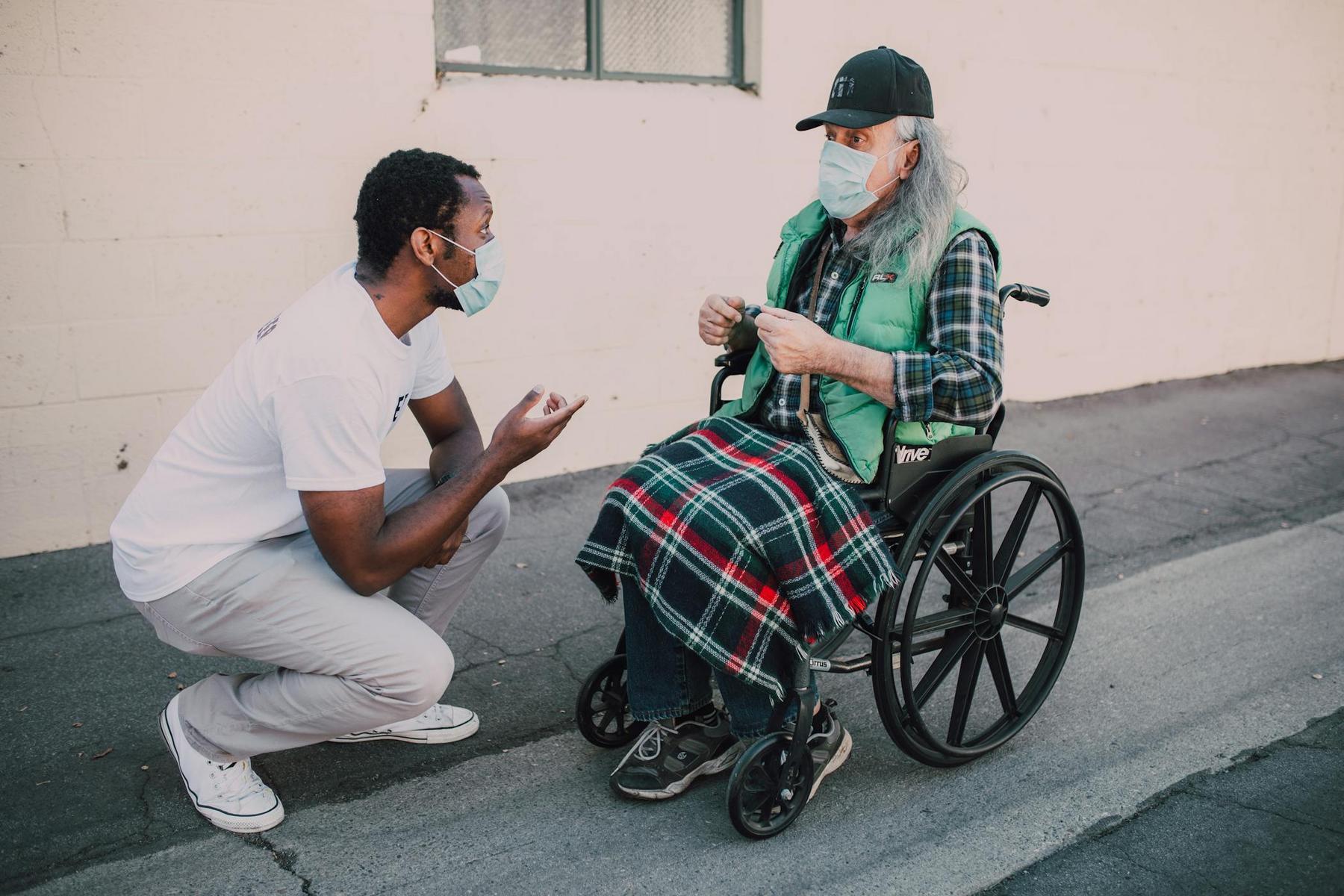
Living with a mental health condition can feel isolating, particularly when navigating the complex landscape of disability support services. For families in Redlands and across Queensland, the intersection of mental health care and NDIS funding often raises more questions than answers. Where does clinical treatment end and disability support begin? How can these services work together rather than operating in separate silos? Most importantly, how can individuals with psychosocial disabilities access the comprehensive, coordinated care they deserve?
The reality is stark: approximately 92,010 Queenslanders currently lack adequate psychosocial support, representing a significant gap between need and available services. In Redlands alone, over 28,000 residents live with disability, many requiring integrated approaches that address both their mental health and daily living needs. Understanding how integrated support options function—and why they matter—can transform outcomes for individuals and families navigating this challenging terrain.
What Does Integrated Mental Health and NDIS Support Actually Mean?
Integrated support represents a fundamental shift from fragmented service delivery to coordinated, person-centred care. Rather than treating mental health and disability support as separate concerns, integrated approaches recognise that these elements of wellbeing are deeply interconnected.
At its core, integrated support means multiple stakeholders—including support workers, mental health professionals, healthcare providers, and allied health teams—collaborate to create a unified support network. This coordination eliminates the exhausting burden of repeatedly explaining circumstances to different providers, reduces service duplication, and ensures everyone works toward shared goals aligned with the individual’s recovery vision.
The distinction between clinical mental health services and NDIS support is critical to understand. Australia’s mental health system operates through two primary channels: the clinical system focuses on diagnosis, treatment, and medical rehabilitation (funded through Medicare and state programmes), whilst the NDIS addresses the functional, daily living impacts of psychosocial disabilities. Clinical services remain the responsibility of the broader health system; NDIS complements these with practical disability supports.
For people living in Redlands, this means your psychiatrist or psychologist provides treatment and therapy, whilst NDIS-funded supports help you manage daily activities, build life skills, access your community, and work towards independence. When these services communicate effectively and coordinate their approaches, outcomes improve dramatically across multiple life domains.
| Support Type | Clinical Mental Health Services | NDIS Psychosocial Supports |
|---|---|---|
| Primary Focus | Treatment, diagnosis, symptom management | Daily living, functional capacity, independence |
| Funding Source | Medicare, private insurance, state/territory health | NDIS individual plans |
| Providers | Psychiatrists, psychologists, GPs, mental health nurses | Support workers, recovery coaches, plan managers |
| Examples | Therapy sessions, medication management, hospitalisation | Personal care, community access, skill development, accommodation support |
| Goal | Clinical recovery and symptom reduction | Personal recovery, meaningful participation, quality of life |
Why Is Integrated Support Critical for People with Psychosocial Disabilities?
Coordinated care approaches lead to improved outcomes for NDIS participants with mental health conditions. Reduced fragmentation creates continuity of care that prevents individuals from falling through service gaps. When mental health symptoms fluctuate, integrated teams can quickly adjust disability support services to maintain stability. This responsiveness proves particularly valuable for people with episodic mental illness, where support needs may vary significantly over time.
Integrated support also reduces the need for individuals to repeatedly recount their experiences to new professionals, thereby reducing trauma re-exposure. Enhanced crisis prevention through coordinated monitoring means warning signs are identified early, allowing a proactive response that minimizes hospitalisations and emergency interventions.
For families and carers, integrated support translates into clearer communication, reduced stress, and the assurance that all aspects of their loved one’s wellbeing are addressed simultaneously.
What Support Options Are Available for NDIS Participants in Redlands?
Support coordination services act as the linchpin of integrated care, helping participants navigate the NDIS, connect with appropriate providers, and ensure all elements of their support plan work cohesively. Specialist support coordination, in particular, offers deeper expertise in psychosocial disability and mental health service systems.
Psychosocial recovery coaching is a recovery-oriented approach that helps participants take control of their lives, develop resilience, and achieve meaningful personal goals. Recovery coaching aligns with frameworks that emphasize connection, hope, identity, meaning, empowerment, capability, contribution, and coping.
Supported Independent Living (SIL) offers comprehensive, ongoing assistance with daily tasks, ranging from personal care to community access. SIL is particularly beneficial for individuals with complex mental health needs that require consistent support to maintain stability and independence. Local providers in Redlands work to deliver SIL services tailored to individual recovery goals.
Additional supports include capacity building programmes, behaviour support services, therapeutic supports, and specialised accommodation options. Local networks such as the Redland Disability Network play a crucial role in connecting families, service providers, and government agencies to identify gaps and coordinate responses.
How Can Families Navigate NDIS Access for Mental Health Conditions?
Accessing NDIS support for psychosocial disabilities can be challenging. With only a fraction of individuals with severe mental illness meeting the current eligibility criteria, families must prepare comprehensive evidence from treating professionals to demonstrate daily functional impacts. This evidence is essential to ensure that NDIS plans accurately reflect the fluctuating nature of mental health conditions.
Local advocacy services, such as Speaking Up For You (SUFY), offer invaluable support for families navigating the complex NDIS application and review processes. Understanding that a rejection does not imply a lack of need is vital, given the significant gap between those requiring psychosocial support and those receiving it.
What Makes Support Integration Work in Practice?
Effective integration requires intentional design, clear communication, well-defined roles, and shared values among all stakeholders. Regular case conferences, integrated IT systems, and structured responsibilities are essential to reducing duplication and ensuring continuity of care.
Staff training, engagement, and leadership commitment also play critical roles in successful integration. By embracing integrated, recovery-oriented approaches, local networks in Redlands foster collaboration that significantly improves outcomes for individuals with mental health needs.
Moving Forward: The Future of Integrated Mental Health and NDIS Support
The landscape of mental health and NDIS support is continually evolving. With significant unmet needs and growing government investments, integrated approaches are set to transform service delivery. The future calls for expanded foundational supports, early intervention strategies, and sustained funding to bridge the gap between current services and the comprehensive care required.
Integrated support embodies a commitment to treating individuals holistically, ensuring that clinical treatment and daily living support work in concert to enhance quality of life. For residents of Redlands, this evolving landscape offers hope and concrete opportunities for achieving lasting recovery and independence.
Can I access both mental health services and NDIS support simultaneously?
Yes, absolutely. Mental health services and NDIS support serve complementary roles. While your clinical team provides diagnosis, therapy, and symptom management, NDIS funding is designated for non-clinical supports such as personal care, community access, skill development, and support coordination. Effective integration between these services ensures the best outcomes.
What should I do if my NDIS plan doesn’t adequately reflect my mental health support needs?
If your NDIS plan falls short, request a plan review via the NDIS portal or by contacting the NDIS directly on 1800 800 110. Prior to your review, gather updated documentation from your treating professionals that clearly outlines how your mental health condition impacts your daily living. Engaging a support coordinator or advocate can help present your case effectively, ensuring that planners understand the episodic nature of mental health conditions.
How does Supported Independent Living differ from other NDIS supports for mental health?
Supported Independent Living (SIL) offers comprehensive, ongoing assistance with daily tasks within your own home—ranging from personal care and medication management to household chores and community access. Unlike scheduled therapy sessions or skill-building programs, SIL provides continuous, flexible support that adapts to your needs, ensuring safety, stability, and independence.
What happens if my mental health condition fluctuates significantly—can my NDIS support change accordingly?
NDIS plans can be reviewed and adjusted when your circumstances change significantly. However, the current process can be gradual, which makes it challenging to manage the fluctuating nature of mental health conditions. Working with an experienced support coordinator can help build flexibility into your plan, and upcoming reforms aim to provide more responsive support adjustments for individuals with psychosocial disabilities.
Are there support options for people with mental health conditions who don’t meet NDIS eligibility criteria?
Yes, there are additional support options available. Programs like the Queensland Community Support Scheme (QCSS), community mental health services, peer support groups, and recovery colleges offer various forms of assistance. Moreover, proposals to expand foundational supports outside the NDIS aim to further increase access to services for those who do not meet NDIS eligibility criteria.