NDIS peer support programs in Cairns connect people with disability to others who have lived through something similar, either one-on-one or in a group setting, and they are funded through everyday NDIS categories like Community Participation or Life Skills Development rather than a dedicated line item. For families in Far North Queensland managing a rare or complex condition, that shared understanding is something many describe as genuinely valuable, alongside, not instead of, the clinical services they also rely on.
Peer support sits on a different foundation to allied health. An occupational therapist or psychologist brings training and a treatment framework. A peer worker brings something a qualification can’t replicate: they have actually navigated a diagnosis, a plan review, a hospital admission, or the isolation that comes with a disability most people around them don’t understand. That lived experience is the entire point. It is why a conversation with someone who has “been there” can land differently than the same advice from a well-meaning professional.
What Peer Support Actually Means in an NDIS Context
Peer support is mutual, relationship-based support delivered by someone with their own experience of disability, chronic illness, or a comparable challenge. It is not therapy, and it is not a substitute for medical or allied health advice. A good peer support relationship runs alongside a participant’s clinical team, not instead of it. If a participant is managing seizures, wound care, or a degenerative condition, their doctor and allied health team remain the ones directing medical decisions. Peer support fills a different gap: reducing isolation, sharing practical strategies for daily life, and giving people confidence that comes from being understood rather than managed.
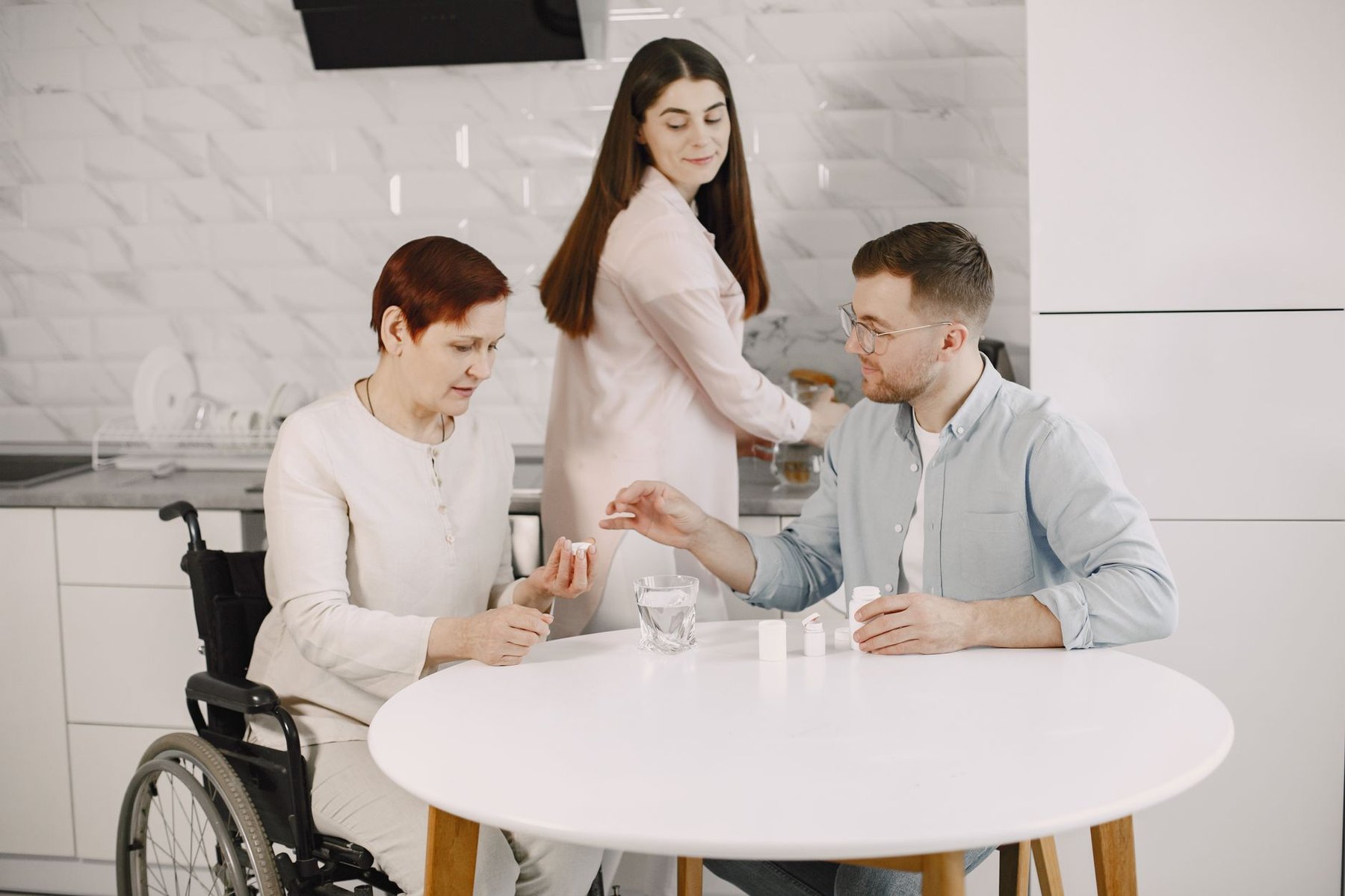
For adults with profound or complex disability, this distinction matters more than it might for someone with a single, well-understood condition. A peer who has managed a similar rare diagnosis, or a parent-carer who has sat through the same plan reviews, brings a kind of practical wisdom that no service directory can capture.
How NDIS Peer Support Programs in Cairns Are Actually Funded
Here is something almost no local provider page explains clearly: there is no standalone “peer support” line item in an NDIS plan. Peer-support-style activities are billed under whatever support category matches what’s actually being delivered. Most commonly that means Social and Community Participation, Community Connection, or Development of Daily Living and Life Skills. Locally, some established providers are registered across this same cluster of activities, including mentoring and peer support alongside community access, individual skills development, and group programs.
This matters at plan review time. If a support coordinator or Local Area Coordinator tells a participant “peer support isn’t in your plan,” the more useful question is whether the underlying category is funded and whether the activity can be described in those terms.
| NDIS support category | What it typically funds | Peer support activity it can cover |
|---|---|---|
| Social and Community Participation | Access to community, recreational, and social activities | Group peer programs, social outings with peer facilitators |
| Community Connection | Building networks and relationships in the community | Introductions to peer networks, community-based mentoring |
| Development of Daily Living and Life Skills | Building skills for independence | One-to-one peer mentoring focused on practical life skills |
| Improved Relationships (in some plans) | Support to build and sustain relationships | Structured peer mentoring with a consistent mentor |
Getting the wording right in a plan, or in a request to a planner, is worth more time than most families give it. A support coordinator who understands this mapping can request funding for peer-style support without ever using the words “peer support program” in the plan itself.
One-to-One Mentoring Versus Group-Based Programs
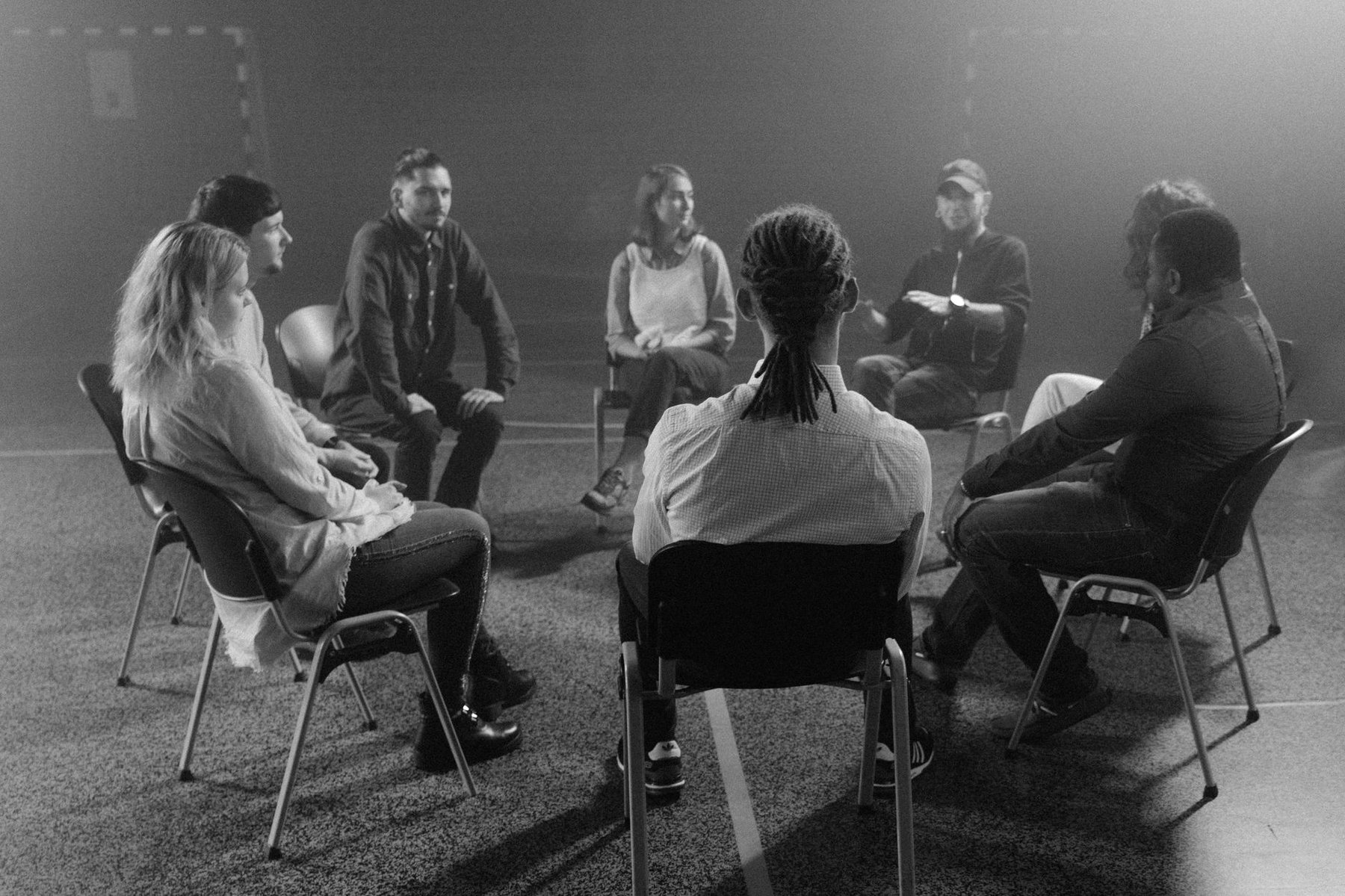
Peer support in Cairns generally takes one of two shapes. Peer mentoring is the more structured version: an experienced participant, or someone trained in a mentoring role, works with a newer participant over weeks or months, often around a specific goal like navigating a first NDIS plan or building independence in daily routines. Group-based peer support is looser and social by design. It happens through clubs, drop-in programs, and structured group activities where the value comes from being around others who don’t need the situation explained to them.
Neither format is inherently better. A person newly diagnosed with a degenerative condition, still working out what their daily life looks like, may get more out of a one-to-one mentor who has already walked that path. Someone who has lived with a disability for years and mainly wants social connection and something to look forward to each week is often better served by a group.
Peer support isn’t a line item on your plan. It’s a relationship that happens to be funded by one.
What This Looks Like on the Ground in Cairns
Cairns has real local models worth describing rather than gesturing at. Some local organisations run Clubhouse-style group programs, where a peer support worker facilitates group activities designed to build social connections, teach new skills, and build confidence in a fun, low-pressure setting. Other local providers frame some of their roles around lived experience directly, including support coordination and recovery-coaching work focused on helping participants understand their plan and connect with services by building on their existing strengths rather than starting from a deficit view.
The scale of local demand backs up why this matters. There were 7,524 active NDIS participants recorded in the Cairns service district as at 31 March 2025 (NDIS/NDIA, 2025), and separate NDIS Data & Research figures for the narrower Cairns statistical area put participant numbers at 6,817 in March 2025, rising to 7,170 by the end of that year (NDIS Data & Research, 2025). Across Queensland as a whole, a substantial and growing number of people were benefiting from the NDIS in 2025. That is a lot of people, in a region the size of Far North Queensland, for whom the nearest peer network might genuinely be the difference between isolation and belonging.
The national picture reinforces the direction of travel. Participant numbers reached 739,414 as at 30 June 2025, growing faster than earlier government projections anticipated (Australian Government/Department of Finance, 2025). More participants means more demand for every kind of support, peer-based included, and Cairns is not immune to the workforce pressure that comes with that growth.
Cultural Safety Is Not Optional in Far North Queensland
Cairns has a significant First Nations population, and any peer support model built for this region has to account for that rather than importing a Brisbane or Melbourne-style delivery template. Culturally safe peer support means matching people where possible with peers or facilitators who understand community, family structure, and cultural protocol, not just disability. Several providers in the region already frame their services around culturally safe support for Aboriginal and Torres Strait Islander people, and that framing should be a genuine practice, not a line on a website. A peer program that ignores this context will underperform in Cairns even if it works well elsewhere in Queensland.
Where Peer Support Stops and Clinical Care Begins
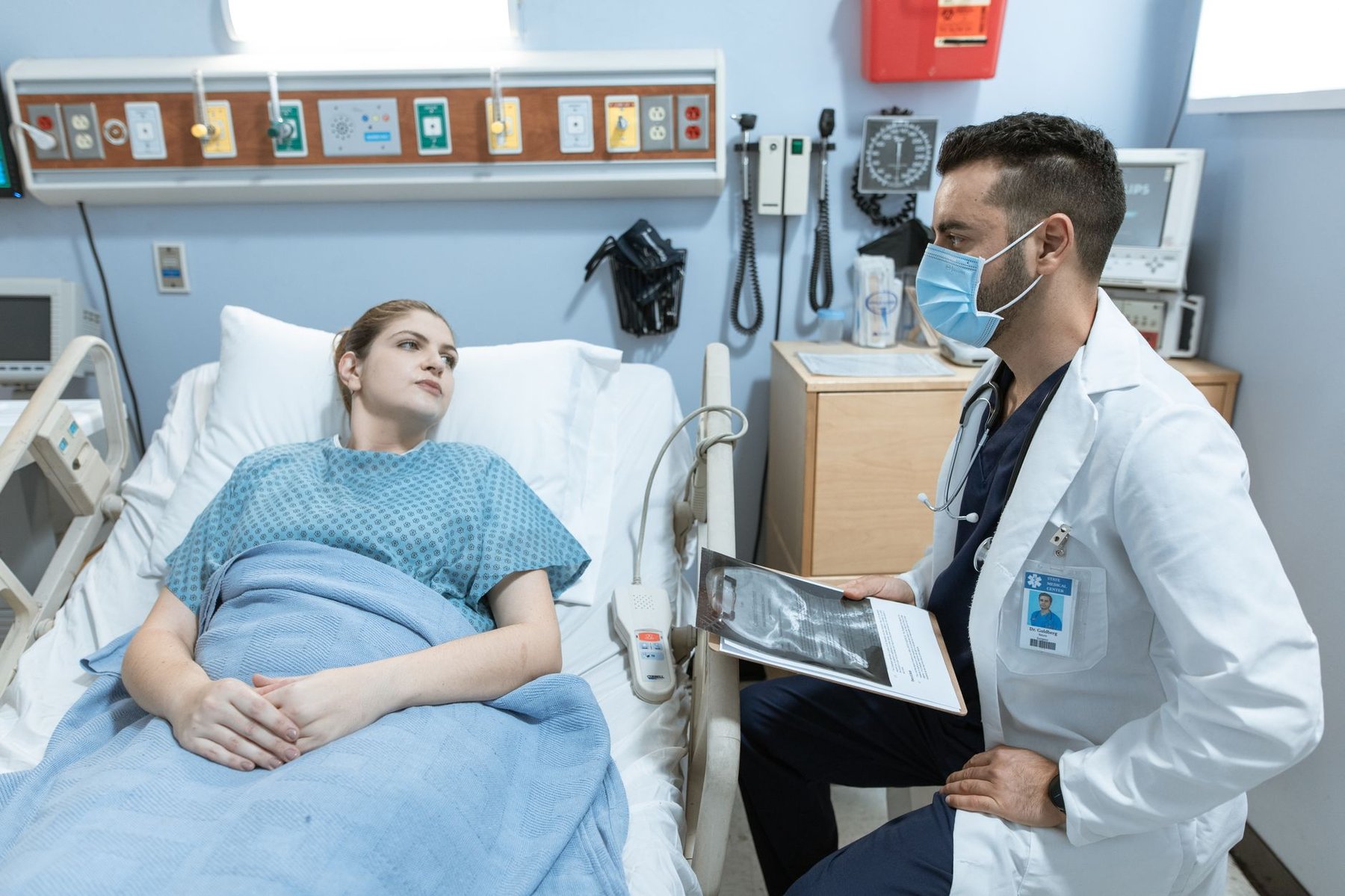
Peer support does something valuable for confidence, belonging, and practical know-how. It does not replace registered nursing oversight, allied health input, or the clinical judgement needed for high-intensity supports like PEG feeding, wound management, or seizure monitoring. For adults with profound or complex disability, the honest answer is that peer support works best as one layer in a broader care structure, sitting alongside occupational therapy, physiotherapy, speech therapy, and medical care, not in place of any of it.
This is a distinction our founders understood before we registered as a provider. Advanced Disability Management was started by parents who spent years navigating complex, high-intensity care for their own child with a rare, complex condition. That experience taught us where peer understanding genuinely helps a family, and where it needs to hand off to trained, supervised clinical support. It’s why our model pairs registered nurse oversight and client-specific staff training with the kind of relationship-first support that comes naturally to a care team, many of whom bring a personal, deeply held commitment to caring for family and community that goes well beyond a job description.
There has been growing recognition nationally that peer workers are a genuinely under-used part of the disability workforce, with calls for governments to build peer worker numbers and improve recognition of the role as part of broader workforce reform. The Australian Government has since signalled it will develop a dedicated peer workforce strategy, co-designed with people with disability and peak bodies, following that Review and the Joint Standing Committee’s workforce interim report response (Australian Government, 2025). None of that reform has yet produced a Far North Queensland-specific peer support program launch or dedicated funding stream. Families searching for peer support in Cairns today are working with the same funding categories and the same patchwork of local providers that have existed for several years, not a new government initiative.
Finding a Peer Support Program in Cairns
Most families start in one of three places: their Local Area Coordinator, their support coordinator if they have one funded, or directly through a community organisation that already runs a program. A practical approach looks like this:
- Ask your support coordinator or LAC whether your current plan has funding sitting under Community Participation, Community Connection, or Life Skills Development that could cover a peer mentoring relationship or group program.
- Contact established local community organisations directly. Several run structured programs in Cairns and can explain what a first conversation or intake looks like.
- Decide early whether one-to-one mentoring or a group program fits the person’s goals and personality better. This shapes which provider is the right fit.
- If the participant has complex or high-intensity support needs, raise this upfront so the peer program can be coordinated alongside existing clinical and allied health supports rather than working in isolation.
None of this requires a new NDIS plan review in most cases. It usually means a conversation about how existing funding is described and used.
For adults with profound or degenerative conditions, and for the families who support them, the value of peer connection is real but it is one piece of a larger picture. Getting the clinical foundations right, consistent staff, registered nurse oversight, and allied health collaboration, is what makes it safe to add peer connection on top, rather than treating it as a stand-in for care a person actually needs.
Can peer support be funded alongside high-intensity personal care in the same NDIS plan?
Yes. Peer support and high-intensity supports like PEG feeding or wound management are usually funded under different categories within the same plan, so there is no conflict between the two. A support coordinator can help make sure both are described accurately when a plan is developed or reviewed, so neither type of support is left out.
Do I need a diagnosis-specific peer mentor, or is general lived experience enough?
It depends on the goal. For practical, condition-specific guidance, a peer with a similar diagnosis or family experience is usually more useful. For general social connection and confidence-building, a broader group program with varied lived experience often works just as well and may be easier to access locally.
What if there isn’t a peer support program available for my specific condition in Cairns?
This is common with rare or degenerative conditions where local peer networks are small. In this situation, a support coordinator can look at broader community connection funding, online or regional peer networks, or family-to-family connections rather than a formal named program. It’s worth raising with your provider rather than assuming nothing is available.
Is peer support suitable for adults with significant communication or cognitive support needs?
It can be, but it usually needs to be adapted. Group programs built around shared activity rather than verbal discussion, or mentoring relationships involving a family member or support worker as a bridge, tend to work better than conventional talk-based peer support for adults with significant communication or cognitive support needs.
Who decides whether peer support funding gets approved in an NDIS plan?
Funding decisions sit with the NDIA and your planner, not with any provider. A support coordinator, Local Area Coordinator, or planner can advise on how to describe peer support needs during a plan discussion, but the final decision on what funding is approved always rests with the NDIA.