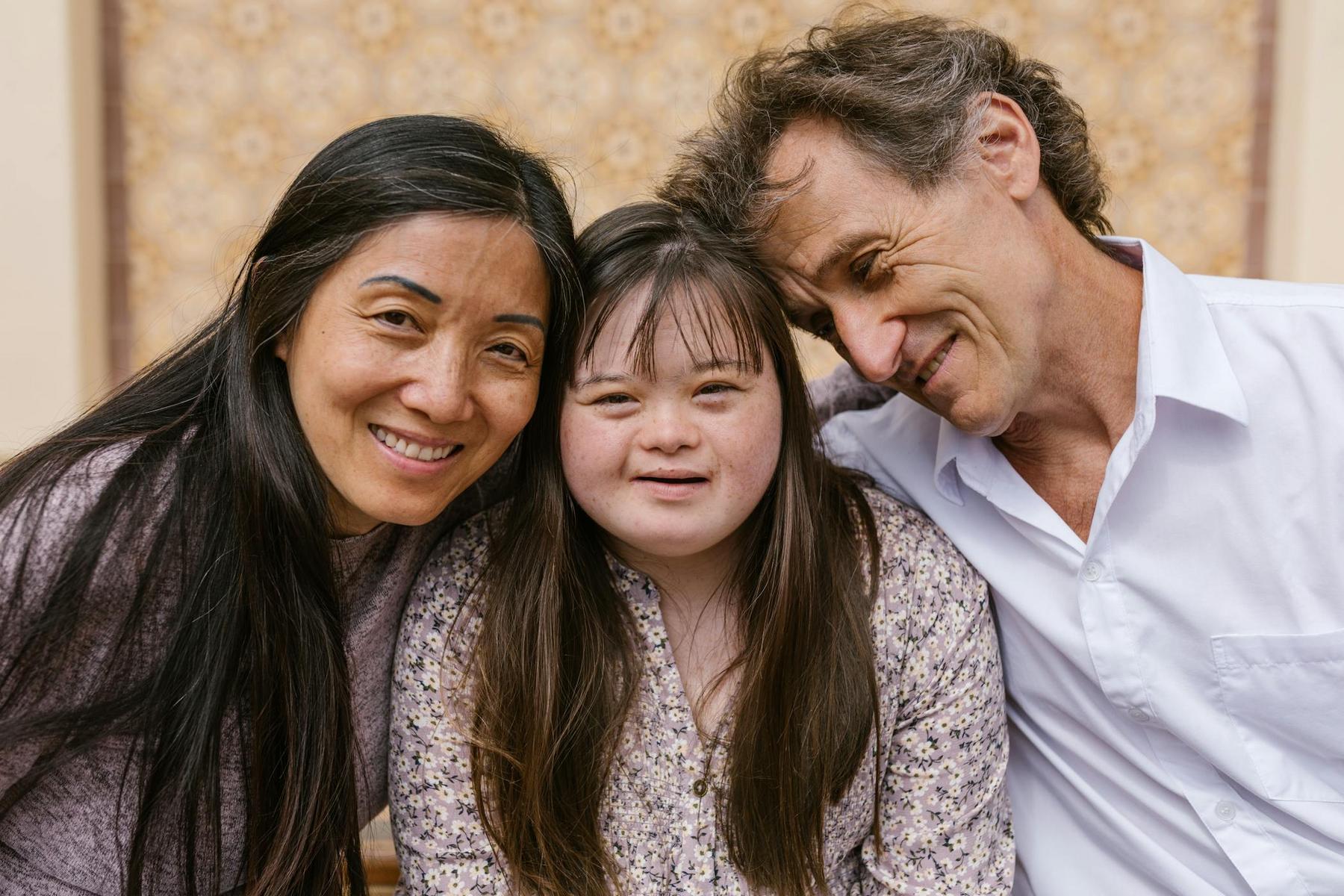
Parenting is one of life’s most rewarding experiences—but when you’re navigating it whilst living with a disability, the journey can feel overwhelming. You might wonder if you’ll have the practical support you need to care for your children, whether financial pressures will become insurmountable, or how to access resources that understand your unique circumstances. If you’re a parent with a disability in Cairns or Brisbane, you’re not alone. The National Disability Insurance Scheme (NDIS) exists to provide personalised support that helps you thrive in your parenting role, and there are extensive local resources designed specifically for families like yours.
Understanding what support is available, how to access it, and where to turn when you need guidance can transform your parenting experience from one of constant struggle to one of empowerment and connection.
What NDIS Support is Available for Parents with Disabilities in Cairns?
The NDIS provides comprehensive funding for “reasonable and necessary supports” that help parents with disabilities fulfil their caregiving responsibilities whilst managing their own needs. With approximately 500,000 Australians currently receiving NDIS support and over 68,000 participants across Queensland, the scheme recognises that parents with disabilities require tailored assistance to ensure both their wellbeing and their children’s development.
NDIS support for parents with disabilities encompasses three main funding categories, each addressing different aspects of daily life and long-term goals.
Core Supports focus on daily living needs and include personal care workers who can assist with childcare tasks, household chores, and personal care routines. These supports recognise that preparing meals for your children, maintaining a clean home environment, and managing the physical demands of parenting may require assistance. Community participation support helps you engage in social activities with your children—whether that’s attending school events, visiting playgrounds, or participating in community groups.
Capital Supports provide one-off higher-cost items that create lasting accessibility improvements. Home modifications can transform your living space into an environment where you can safely and independently care for your children. This might include installing ramps, modifying bathrooms, or adjusting kitchen heights. Assistive technology and equipment—such as mobility aids, communication devices, or adaptive parenting tools—enable you to engage more fully with your children. Vehicle modifications ensure you can transport your family safely and independently.
Capacity Building Supports invest in your skills and long-term independence. These include parenting skills training tailored to your specific disability and circumstances, support coordination to help you navigate complex healthcare and support systems, respite care services that provide essential breaks from caregiving responsibilities, and counselling services for family relationships and emotional wellbeing.
Research from the Australian Bureau of Statistics reveals that 43.8% of Australia’s 1.2 million primary carers have disability themselves, highlighting how common it is to manage both your own disability support needs whilst caring for children. The NDIS framework acknowledges this reality, though academic research published in the Australian & New Zealand Journal of Psychiatry identifies ongoing gaps in parenting-specific support funding that require policy attention.
| NDIS Support Category | Key Services for Parents | Examples |
|---|---|---|
| Core Supports | Daily living assistance | Personal care workers, household task support, community access assistance, consumables |
| Capital Supports | Equipment and modifications | Home modifications, assistive technology, adaptive parenting equipment, vehicle modifications |
| Capacity Building | Skill development and coordination | Parenting skills training, support coordination, respite care, transportation assistance, counselling |
How Can Parents with Disabilities Access the NDIS in Queensland?
Accessing NDIS support begins with understanding eligibility criteria and knowing where to start the application process. Parents with disabilities in Cairns and Brisbane can access the NDIS if they meet three key requirements: being under 65 years old, being an Australian citizen, permanent resident, or holder of a Protected Special Category Visa, and having a permanent and significant disability that substantially reduces functional capacity or requires assistance with daily living activities.
The NDIS formally commenced in Cairns on 1 July 2018, and since then, the region has developed robust infrastructure to support participants. Over 28,000 Queensland participants have been receiving support for extended periods, demonstrating the scheme’s established presence in the state.
Mission Australia operates as the Local Area Coordinator (LAC) for Cairns, providing essential access support from their office at 379 Little Spence Street, Bungalow. You can contact them on 1800 860 555 between 8:30am and 4:30pm. Local Area Coordinators assist with NDIS access, planning, and ongoing navigation of the scheme. They accept self-referrals, family referrals, and community referrals, supporting individuals aged 9-64 years with permanent disabilities impacting functional capacity.
For families with children under 9 years old who have disability or developmental delay, Mission Australia’s NDIS Early Childhood Approach operates in Bungalow, providing specialised support during these critical developmental years. Early intervention can significantly improve outcomes for both children and parents.
The application process involves gathering evidence of your disability from healthcare professionals, completing the access request form (available online or by calling 1800 800 110), and working with LAC staff to develop your initial plan. Your NDIS plan will outline your supports, personal goals, and funding allocation based on your specific needs and circumstances. Plans are typically reassessed annually, allowing adjustments as your family’s needs evolve.
Research from the NDIS Independent Advisory Council emphasises that early intervention is crucial—the scheme often doesn’t engage early enough when participants become parents. Being proactive about accessing support during pregnancy or early in your parenting journey can prevent crises and establish sustainable support systems.
What Local Services Support Parents with Disabilities in Cairns and Brisbane?
Both Cairns and Brisbane offer extensive networks of registered NDIS service providers who specialise in supporting parents with disabilities. Understanding the local landscape helps you make informed choices about which providers align with your family’s needs.
In Cairns, the disability support ecosystem includes approximately 700 local providers listed in the Cairns Disability Network directory at cairnsdisability.net.au. This comprehensive resource covers allied health professionals, community resources, accommodation options, and employment support services.
Key Cairns providers supporting parents include selectability, which operates a Mental Health Hub at 606 Bruce Highway, Woree, and offers support coordination services at 104 Grafton Street, Cairns City. Centacare FNQ (22-34 Aplin Street, Cairns) provides support coordination, counselling, and group social support with a family-centred approach. AbbaCare Cairns (122 Sheridan Street) offers personal care, skill development, community access, and educational support—services particularly relevant for parents balancing their own needs with their children’s development.
Care FNQ Pty Ltd (42 Grafton Street) provides supported independent living and domestic support services, whilst Lifestyle Connections Association Inc. has been delivering community access and lifestyle support since 1993, bringing decades of local experience. For 24-hour care needs, Home Instead Cairns (Level 26 Florence Street) and Right at Home Far North Queensland (30 Water Street) provide comprehensive around-the-clock support.
The Cairns Disability Network strengthens the local support ecosystem through monthly networking meetings (held on the third Thursday of each month at 7am at Spinal Life) and an annual Cairns Disability Expo. These free networking opportunities connect parents with providers, therapists, and other families, fostering the community connections that research shows are vital for parent wellbeing.
In Brisbane and broader Queensland, parents can access the same NDIS framework with additional metropolitan service density. Brisbane offers greater concentration of specialist services, including university-affiliated research programmes and specialist parenting support programmes designed specifically for parents with intellectual disability or mental health conditions.
Both regions benefit from Queensland’s established NDIS infrastructure, though research from the Australian Institute of Family Studies indicates that rural and remote families may face additional barriers accessing specialised services. Purveyors increasingly develop online options to ensure equitable reach to families across Queensland’s diverse geography.
What Challenges Do Parents with Disabilities Face and How Can Support Help?
Understanding the challenges parents with disabilities encounter helps illuminate why comprehensive, coordinated support is essential. Research identifies multiple interconnected barriers that affect daily life, financial stability, social connection, and family wellbeing.
Accessibility challenges create constant frustration in daily parenting tasks. Navigating footpaths with strollers when using mobility aids, managing physical care tasks like bathing children or changing nappies, and facilitating homework support when you have cognitive or sensory disabilities all require creative problem-solving and often external support. The physical environment—from playgrounds to schools to healthcare facilities—frequently lacks the universal design principles that would enable independent parenting.
Financial pressures compound these practical challenges. Australian Bureau of Statistics data shows that the income of people with disability averages just 44% of the income of other Australians. Meanwhile, approximately one in three mothers with a child with any type of disability report moderate to high psychological stress, and around one in four report poor physical health outcomes. When 35% of carers have a work-limiting disability themselves (compared to 15% of people without caring roles), employment becomes exceptionally difficult, reducing income precisely when families face additional costs for medical bills, assistive devices, and therapies.
Social isolation and stigma create invisible but profound barriers. Society often holds misconceptions about disability and parenting capability, leading to discrimination and scepticism about parenting abilities. Some parents face potential scrutiny from child protective services based on negative assumptions rather than actual parenting capacity. Limited access to family and friends for childcare or household assistance intensifies isolation, particularly when disability itself limits social mobility.
Support system fragmentation makes navigation overwhelming. Parents must coordinate between NDIS services, mainstream health services, educational supports, and community resources—each with different eligibility criteria, application processes, and service models. The complexity becomes particularly challenging when both parent and child have support needs requiring coordination.
Comprehensive NDIS support addresses these challenges through multiple mechanisms. Personal care workers reduce physical strain and enable parents to maintain household routines. Financial support through NDIS funding (which is not income-tested and requires no co-contribution fees) alleviates some economic pressure. Support coordination helps navigate fragmented systems, whilst respite care provides essential recovery time. Importantly, research published in 2023 emphasises that investing in evidence-based parenting programmes enhances lasting skill development, reduces behaviours of concern, and proves cost-effective by increasing parents’ capacity to return to work.
Where Can Cairns and Brisbane Families Find Additional Parenting Resources?
Beyond NDIS supports, Queensland families can access government-funded programmes and community resources specifically designed for parents with disabilities and carers.
Carer Gateway (1800 422 737) provides free services Australia-wide, helping carers build skills, manage challenges, and reduce stress. This resource acknowledges the reality that many parents with disabilities are simultaneously carers themselves—research shows 37.5% of children aged 0-14 years with disability had a parent with disability. Carer Gateway offers information, advice, and access to local services that complement NDIS supports.
MyTime Peer Support Groups operate across Australia, creating safe spaces where parents and carers of young children with disability can connect with others facing similar circumstances. Evidence demonstrates MyTime’s effectiveness in reducing stress and improving wellbeing through peer connection—something that isolated parents particularly need.
Carers Australia (www.carersaustralia.com.au) provides national programmes supporting the health, wellbeing, resilience, and financial security of carers. Their resource hub offers practical information, whilst their advocacy work addresses systemic barriers that parents with disabilities face.
For parenting-specific guidance, Raising Children (www.raisingchildren.net.au/disability) offers evidence-based information about parenting with intellectual disability and other conditions. The Triple P Positive Parenting Program provides free online parenting courses that can be adapted to various disability types, whilst the Parenting Young Children programme specifically supports parents with intellectual disability.
Mental health support remains crucial, with research showing significant psychological stress among parents managing disability and caregiving. Lifeline (13 11 14) provides crisis support and mental health assistance, whilst Services Australia (132 717) can advise on Carer Payment (income support for carers unable to work substantial hours) and Carer Allowance (additional financial support).
The Young Carer Bursary Program offers bursary packages for eligible young carers aged 25 years and under, recognising that children in families where parents have disabilities may themselves take on caring responsibilities requiring support.
For specialised concerns, resources like Children of Parents with a Mental Illness provide dedicated support for parents with mental health conditions and their children, whilst the Ability Rights Centre in New South Wales offers free services for people with intellectual disability regarding child welfare matters—important given that some parents face child protection scrutiny.
Evidence-based parenting programmes identified in research include Parents Under Pressure (developed at Griffith University, Brisbane), Signposts, and Stepping Stones Triple P—all shown to enhance communication, play, and daily living skills whilst reducing behaviours of concern and improving family mental health.
Creating Your Path Forward as a Parent with Disability
Being a parent with a disability in Cairns or Brisbane means joining a substantial community—340,000 Australians with disability are primary carers, demonstrating that you’re part of a significant population navigating similar challenges. The NDIS framework, local service providers, community networks, and government-funded programmes create multiple layers of support designed to help you thrive in your parenting role.
The research is clear: coordinated, family-centred support that acknowledges parenting as central to your identity yields better outcomes for both parents and children. Investing in your capacity to provide high-quality support to your children whilst managing your own wellbeing creates sustainable family functioning that benefits everyone. The key lies in accessing support early, building connections with local disability networks, and working with providers who understand that your disability doesn’t define your parenting capacity—it simply shapes the supports you need to parent effectively.
Queensland’s established NDIS infrastructure, combined with Cairns’ active disability community network and Brisbane’s metropolitan service density, means you have access to comprehensive support. Whether you’re navigating the NDIS for the first time, seeking additional parenting resources, or looking for connection with other parents who understand your experience, the resources exist to support your family’s journey.
Can the NDIS fund support workers to help me with childcare tasks?
Yes, the NDIS can fund personal care and support workers to assist parents with disabilities in childcare tasks, household chores, meal preparation, and daily parenting activities. These supports fall under Core Supports – Daily Living Needs in your NDIS plan. However, it’s important to note that NDIS cannot fund support from family members, even when regular support workers are unavailable. Your support needs should be clearly documented in your planning meeting to ensure appropriate funding allocation.
How do I access NDIS support if I’m a parent with disability living in Cairns?
Contact Mission Australia’s Local Area Coordination service in Cairns on **1800 860 555** or visit their office at 379 Little Spence Street, Bungalow. They assist with NDIS access applications, planning, and ongoing support navigation. Alternatively, you can apply directly to the NDIA by calling **1800 800 110**. For children under 9, contact Mission Australia’s Early Childhood Approach. You’ll need evidence of your permanent and significant disability from healthcare professionals and must meet the age and residency requirements.
What’s the difference between NDIS support and Carer Payment for parents with disabilities?
NDIS funding supports your disability-related needs and helps you participate in parenting activities despite your disability. Carer Payment (available through Services Australia on **132 717**) is income support for people unable to work substantial hours due to caring responsibilities. Many parents with disabilities qualify for both—NDIS supports your disability needs whilst Carer Payment provides income support. The two systems complement each other but serve different purposes.
Are there parenting programmes specifically designed for parents with disabilities in Queensland?
Yes, evidence-based parenting programmes include Parents Under Pressure (developed at Griffith University, Brisbane), Parenting Young Children (for parents with intellectual disability), and Stepping Stones Triple P (adapted for parents of children with developmental disabilities). Discuss parenting skills training and capacity building supports with your NDIS planner or support coordinator to access appropriate programmes. Carer Gateway (**1800 422 737**) can also direct you to available parenting support services.
Can I receive NDIS support in both Cairns and Brisbane if I travel between locations?
Yes, your NDIS plan travels with you across Australia. Advanced Disability Management operates in both Cairns and Brisbane, allowing continuity of support if you move between these locations. Inform your support coordinator about your travel or relocation plans so they can coordinate services in both areas. Your NDIS funding remains accessible regardless of location, though specific service providers may differ between regions.