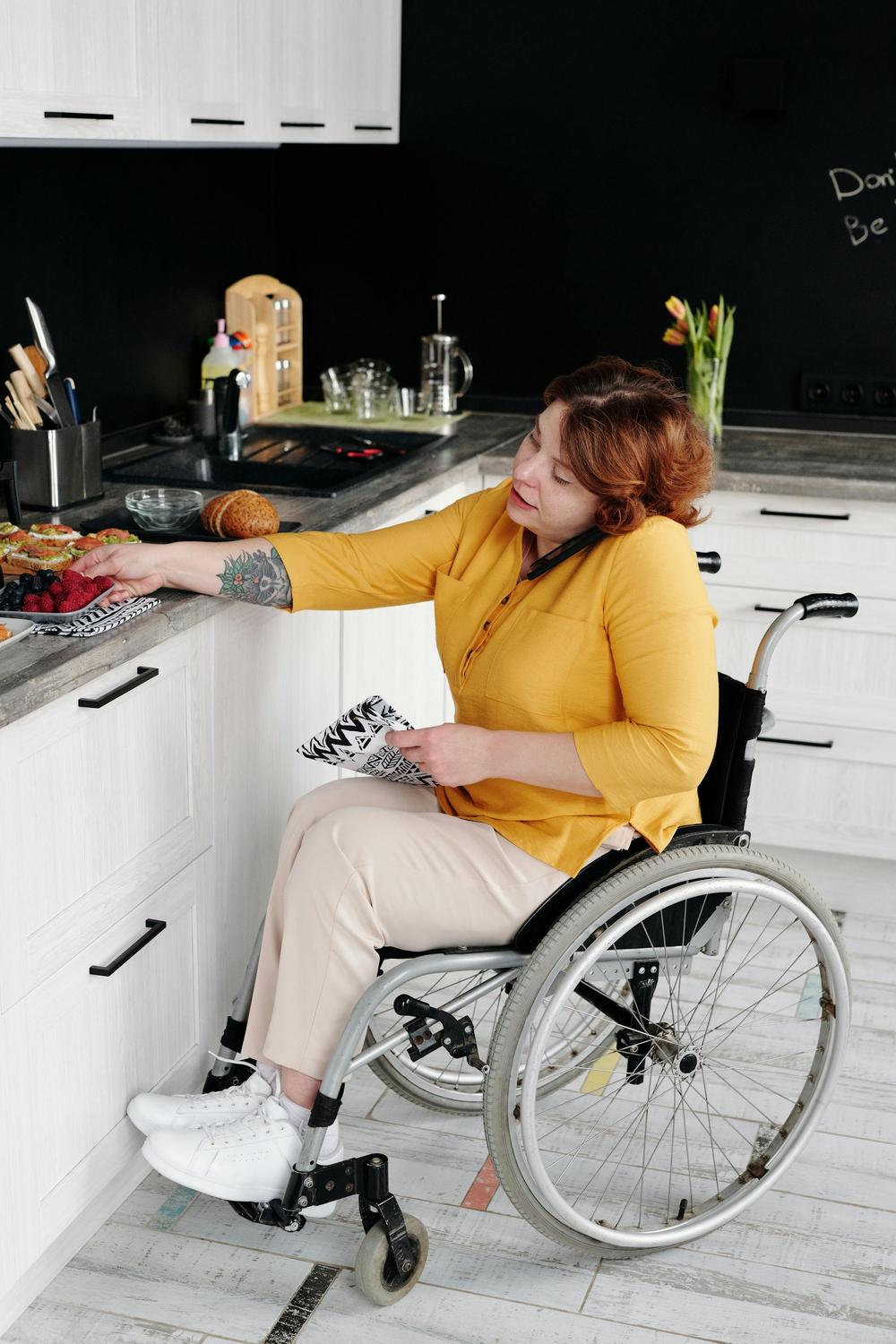
Finding the right home is one of the most personal, meaningful decisions a person can make – and for someone living with disability, that decision carries even more weight. The right Supported Independent Living (SIL) arrangement can be the difference between simply getting through each day and genuinely thriving. It means having support when you need it, the freedom to grow your independence, and a home where you feel safe, respected, and seen.
If you or someone you love is exploring Supported Independent Living in Townsville, this guide is designed to walk you through exactly what it means, who it’s for, how to access it, and what to look for when choosing the right home. Townsville has a well-established disability support landscape, and understanding how to navigate it can open doors to a genuinely fulfilling life.
What Is Supported Independent Living and How Does It Work in Townsville?
Supported Independent Living is an NDIS-funded support service that helps people with disability live as independently as possible, typically within a shared or individual home setting. It is important to understand that SIL is not about being confined to a home 24 hours a day – rather, it means that qualified support workers are available to assist you when you are at home, helping with daily tasks, personal care, and building everyday skills.
Townsville holds a special place in Queensland’s disability support history. The NDIS officially launched in Townsville in April 2016, alongside Charters Towers and Palm Island, making it one of the earliest rollout sites in Queensland. This early start has given Townsville a mature, well-developed ecosystem of disability supports – one with years of operational refinement and established provider networks.
SIL is also distinct from other NDIS housing supports, which can cause confusion for families navigating the system for the first time. The table below outlines how SIL compares with other NDIS home and living options:
| Support Type | What It Covers | Who It’s For | Funding Duration |
|---|---|---|---|
| Supported Independent Living (SIL) | support worker hours; daily living, personal care, overnight support | People needing active support for 8+ hours daily | Ongoing |
| Specialist Disability Accommodation (SDA) | The physical dwelling (“bricks and mortar”) | People with very high physical support or safety needs | Ongoing |
| Individualised Living Options (ILO) | Flexible, lower-level support in various settings | People needing occasional or drop-in support | Ongoing |
| Short-Term Accommodation (STA) | Temporary respite or emergency housing | Those needing a break or short-term care | Up to a few weeks |
| Medium-Term Accommodation (MTA) | Transitional housing support | Those awaiting permanent housing or supports | Up to 90 days |
Understanding these distinctions is critical. SDA funding pays for the home itself, while SIL funding pays for the people who support you inside it. Many participants access both, but they are assessed and funded separately through your NDIS plan.
Who Is Eligible for Supported Independent Living in Townsville?
SIL is not available to every NDIS participant – it is a targeted support for those with more intensive daily living needs. Eligibility is determined by a thorough assessment process, not simply by diagnosis.
To be considered for SIL, you generally need to be:
- An NDIS participant aged 18 or over (though 16–17 year-olds transitioning from out-of-home care may also be eligible)
- In need of active disability support for at least 8 hours each day, in addition to some level of support at other times
- Assessed as requiring SIL under the NDIS “reasonable and necessary” criteria
The NDIS determines eligibility based on how your disability affects your ability to carry out daily activities – including personal care such as showering, dressing, and grooming, as well as meal preparation, medication management, and safe navigation of the home environment. Behavioural support needs, overnight supervision requirements, and cognitive or sensory challenges are also considered.
Importantly, a diagnosis alone does not guarantee SIL funding. What matters is the functional impact of your disability on daily life, assessed by qualified professionals including Occupational Therapists (OTs), psychologists, and GPs.
It is equally important to know what SIL does not cover. NDIS SIL funding is specifically for support worker hours. You remain responsible for costs such as rent or mortgage payments, utilities, food, and personal items. These living expenses are typically met through personal income, the Disability Support Pension, or other government entitlements.
How Do SIL Funding Levels and Support Ratios Work Under the NDIS?
Once eligibility for SIL is confirmed, the NDIS funds support based on three levels of assessed need:
- Lower needs – Regular supervision of your living arrangements
- Standard needs – Active assistance with most daily tasks, available 24 hours a day, 7 days a week
- Higher needs – Continual and more complex active assistance across all areas of daily life
The funding level determines not only the type of support available but also the ratio of support workers to participants. The NDIS typically approves shared support arrangements, which are both cost-effective for the scheme and beneficial for social connection:
- 1:2 ratio – One support worker for two participants (the most common arrangement)
- 1:3 ratio – One support worker for three participants
- 1:4 ratio – One support worker for four participants
- 1:1 ratio – One-on-one support (approved only in exceptional circumstances, such as when no suitable housemates can be found or when shared living would pose a serious safety risk)
One-on-one support is rarely approved, and if you are hoping to access it, you will need documented evidence that shared living arrangements were genuinely explored and found to be unsuitable.
Approximately one-third of the NDIS operating budget at full scheme is directed towards SIL, reflecting just how significant and impactful this support is for participants across Queensland.
What Should You Look for in a Supported Independent Living Home in Townsville?
Choosing a SIL home is about far more than bricks and mortar. The right environment should align with your goals, your lifestyle, and your need for both support and independence.
When exploring Supported Independent Living in Townsville, consider the following factors:
Location and Accessibility
Townsville offers genuine lifestyle advantages for people with disability. The city enjoys approximately 300 days of sunshine annually and features over 300 parks and open spaces, botanical gardens, and the All Abilities Playground on the banks of the Ross River. Wheelchair-friendly pathways and beach accessibility programmes further enhance community participation. Proximity to the Townsville University Hospital and Kirwan Health Campus is also an important practical consideration when evaluating any SIL property.
Property Features
Look for homes with accessible bathrooms and kitchens, in-ceiling hoists where relevant, open-plan living areas, private outdoor spaces, and ground-level access. These features directly impact your comfort, safety, and day-to-day quality of life.
Staff Training and Experience
Support workers in a SIL setting are with you every day. Their qualifications, their understanding of your specific disability type, and their approach to person-centred care matter enormously. Ask providers about their training frameworks and how they match support workers to participants.
Life Skills Development
The best SIL providers don’t just help you through the day – they actively invest in building your independence. Look for programmes that support skill development across personal care, domestic activities, money management, community access, and social participation. These are the skills that give people genuine agency over their own lives.
Community Connection
Social isolation is a real risk for people living with disability. A quality SIL arrangement should actively support community participation – whether that’s accessing local services, attending recreational activities, or simply building meaningful relationships with the people around you.
How Do You Apply for Supported Independent Living in Townsville? A Step-by-Step Guide
The SIL application process requires careful preparation and documentation, but understanding each stage makes it far more manageable.
Step 1: Confirm Your NDIS Eligibility
You must already be an NDIS participant with an approved plan before applying for SIL. If you are not yet on the NDIS, begin by submitting an access request.
Step 2: Gather Supporting Evidence
This is arguably the most critical step. You will need a Functional Capacity Assessment (FCA) completed by an Occupational Therapist, a GP or psychology report confirming the need for SIL, a Home and Living Supporting Evidence Form, and detailed documentation of your daily support needs. If you have a Behaviour Support Plan, this should also be included.
Step 3: Meet with Your NDIS Planner or Local Area Coordinator
At your planning meeting, discuss your daily challenges, your long-term goals, your preferred living arrangements, and why SIL is the most appropriate and necessary support for your situation.
Step 4: Work with a Support Coordinator
A Support Coordinator plays a vital role in developing your SIL application – submitting detailed housing solutions reports, outlining transition plans, and ensuring your documentation is comprehensive and accurate.
Step 5: Choose a Provider and Obtain a Quote
Your chosen SIL provider will prepare a detailed quote outlining total support hours, the support ratio recommended, the intensity of care required, and how overnight support will be delivered.
Step 6: NDIS Review and Approval
The NDIS Home and Living assessment team reviews your evidence against the “reasonable and necessary” criteria. Approval times vary, but thorough and complete documentation submitted early can support a smoother process.
Step 7: Plan Approval and Moving In
Once approved, your NDIS plan is updated to include SIL funding, a service agreement is established with your provider, and your transition plan is implemented.
What Makes Townsville a Strong Location for Supported Independent Living?
Townsville’s early entry into the NDIS rollout has created something genuinely valuable: a disability support sector with depth, experience, and established infrastructure. As of September 2022, over 116,594 Queenslanders with disabilities were receiving support through the NDIS – more than double the number in 2019. Townsville, as an early launch site, has been part of that growth story from the very beginning.
Beyond the policy landscape, Townsville simply offers a quality of life that supports wellbeing. The city’s accessible public spaces, affordable housing relative to southern Queensland, proximity to specialist healthcare, and warm climate create a genuinely enabling environment for people with disability to live full, connected lives.
The Queensland disability workforce has also grown significantly in recent years, from just over 35,000 aged and disability carers in March 2019 to over 67,000 by September 2022. While demand continues to outpace supply in some areas, Townsville’s established provider network means participants have meaningful choices when selecting SIL arrangements.
Finding the Right Path Forward
Supported Independent Living in Townsville represents far more than a housing solution – it is a foundation for a life built on dignity, connection, and genuine independence. The right SIL home brings together the physical environment, the daily support, and the life skills development that allow individuals with disability to pursue their goals on their own terms.
Whether you are just beginning to explore SIL for yourself or for a loved one, the most important thing to remember is this: you deserve a home and a support arrangement that truly works for you. Take the time to ask questions, gather the right evidence, and seek guidance from people who genuinely understand the journey.
What is the difference between SIL and SDA in Townsville?
SIL (Supported Independent Living) funds the support workers who assist you with daily tasks in your home. SDA (Specialist Disability Accommodation) funds the physical property itself, designed for people with very high physical support or safety needs. Some participants qualify for both, but they are assessed and funded separately through the NDIS.
How long does it take to get SIL approved through the NDIS?
The approval timeline typically ranges from several weeks to a few months, depending on the completeness of your application and supporting documentation, as well as NDIS processing times. Submitting comprehensive evidence early – particularly a thorough Functional Capacity Assessment from an Occupational Therapist – can help avoid delays.
Can I choose my own housemates in a Supported Independent Living arrangement in Townsville?
In many cases, yes. Person-centred practice means providers aim to match participants with compatible housemates wherever possible. Preferences around lifestyle, interests, and support needs are all relevant considerations. Discuss this with any provider you are considering, as good housemate matching significantly impacts wellbeing and outcomes.
Does SIL funding cover my rent and bills in Townsville?
No. NDIS SIL funding covers support worker hours only. Rent, utilities (electricity, gas, water, internet), food, groceries, and personal items remain your responsibility. These are typically funded through personal income, the Disability Support Pension, or other government entitlements.
What happens if my Supported Independent Living arrangement is not working out?
You have the right to change providers or arrangements if your current SIL situation is not meeting your needs. Contact your Support Coordinator as your first step – they can help you explore alternatives, manage the transition, and ensure your NDIS plan is updated accordingly. Your goals and wellbeing always come first.