Living with a disability in Far North Queensland often means facing an impossible choice: travel hundreds of kilometres for specialist care, or go without. For NDIS participants in remote communities across the Tablelands, Cape York, or the Gulf Savannah, accessing occupational therapy, psychology, or physiotherapy has traditionally required gruelling journeys to Cairns or beyond—sometimes exceeding 900 kilometres one way. These trips drain not just NDIS funding through travel costs, but also the energy and wellbeing of participants and their families.
Yet a quiet revolution has been transforming disability care across regional Australia. Telehealth—the delivery of health services via digital technology—has emerged as a genuine solution for NDIS participants who’ve long been disadvantaged by geography. What was once seen as a temporary pandemic measure has proven its worth, with 63% of NDIS participants successfully receiving allied healthcare services remotely, and two out of three reporting their telehealth experience was better than or similar to previous face-to-face sessions.
For families in Far North Queensland, this isn’t just about convenience. It’s about equality of access, preserving precious funding for actual therapy rather than travel, and the dignity of receiving specialist care without the stress of leaving home and community.
What Is Telehealth Within the NDIS Framework?
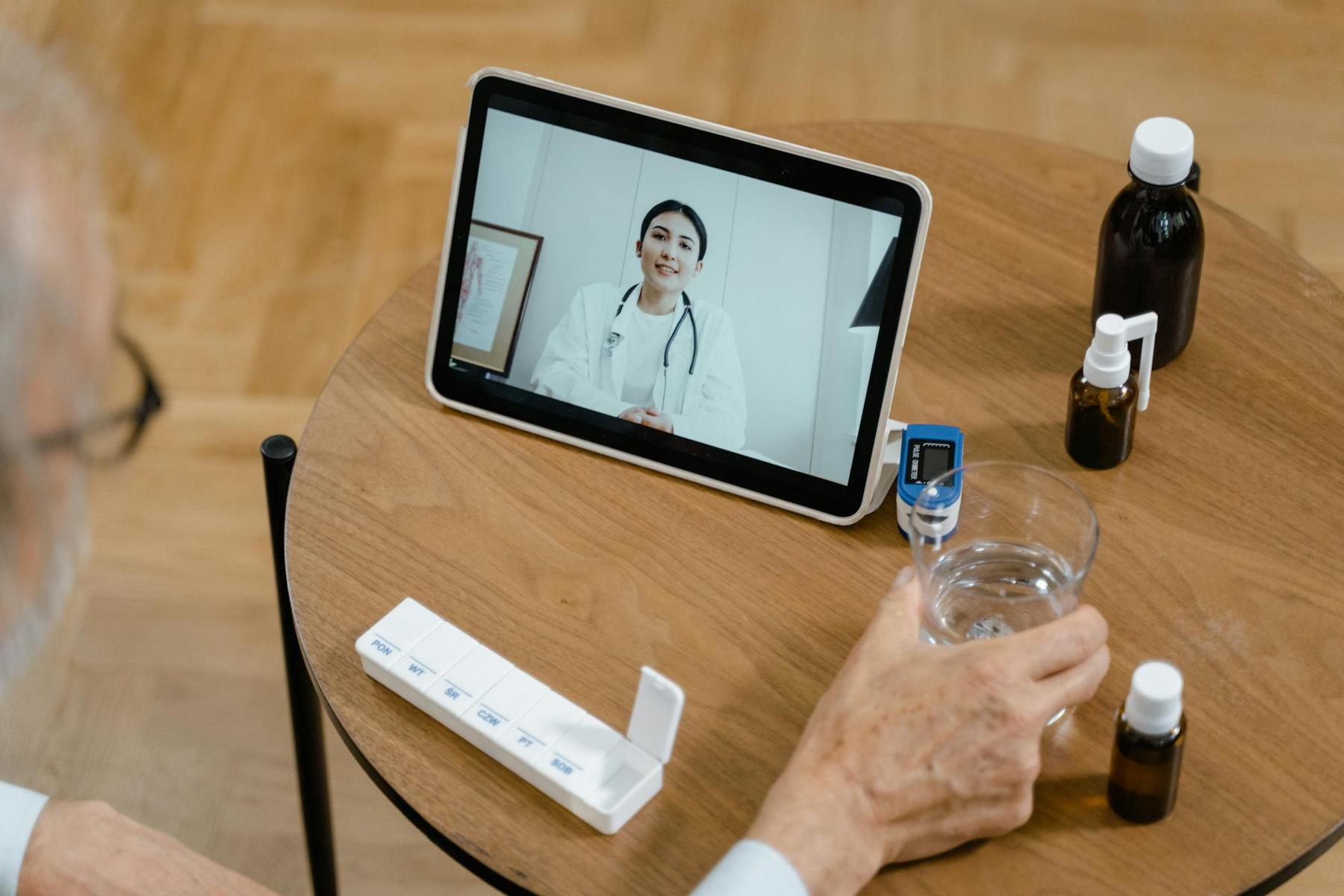
Telehealth represents the remote delivery of evidence-based health and allied services through digital technology including smartphones, tablets, and computers. Within the NDIS context, telehealth enables participants to access specialist services without requiring in-person appointments, fundamentally changing how disability support reaches regional and remote communities.
The NDIS fully funds telehealth services under the Capacity Building Supports category. These services span multiple funding categories including Improved Daily Living for occupational therapy, speech pathology, and psychology; Health and Wellbeing for physiotherapy, dietetics, and exercise physiology; and Mental Health Supports for psychology and counselling.
Billing rates for telehealth are identical to face-to-face appointments, ensuring providers maintain service quality whilst eliminating travel costs. According to NDIS Pricing Arrangements effective from July 2025, standardised hourly rates include psychology at $232.99, occupational therapy at $193.99, physiotherapy at $183.99, and speech pathology at $193.99. Participants can even use NDIS funding to purchase devices for telehealth access, with up to $750 available for a tablet or computer.
Telehealth emerged from necessity during COVID-19, when over 100 million telehealth sessions were provided to more than 17 million Australians. However, the technology has proven its lasting value beyond emergency response. Queensland had the most extensive telehealth infrastructure before 2020, accounting for 40% of all telehealth services across Australia—a foundation that continues supporting Far North Queensland communities today.
Why Does Far North Queensland Face Unique Healthcare Access Challenges?
The geographical reality of Far North Queensland creates substantial barriers to disability services that metropolitan Australians rarely consider. More than half of people living in FNQ reside in outer regional (88.6%), remote (3.3%), and very remote (8.1%) areas. Healthcare services concentrate primarily in Cairns, leaving communities across the vast expanse of 1.7 million square kilometres with limited local options.
The numbers tell a stark story of inequality. Aboriginal and Torres Strait Islander peoples comprise 15% of the FNQ population, with even higher proportions in remote communities. These communities face not only distance barriers but also higher disability prevalence rates and reduced access to culturally safe services close to home.
Transport infrastructure remains limited across the region, with dangerous road conditions and expensive travel options compounding access difficulties. Research involving 25 FNQ participants with lived experience of disability identified critical needs: “access to culturally safe services close to home,” “opportunities to choose one’s own life,” and “feel included, connected, safe and supported.” These fundamental requirements remain out of reach for many when specialist services require travel exceeding 900 kilometres.
| FNQ Healthcare Access Challenges | Impact on NDIS Participants |
|---|---|
| 88.6% live in outer regional areas | Limited local specialist availability |
| Distances exceeding 900km to services | Exhausting travel requirements drain NDIS funding |
| 15% Aboriginal and Torres Strait Islander population | Need for culturally safe services often unmet |
| High staff turnover in remote settings | Disrupted continuity of care and therapeutic relationships |
| Services concentrated in Cairns | Reduced choice and control for rural participants |
| Limited transport infrastructure | Mobility challenges compound disability barriers |
What Services Can NDIS Participants Access via Telehealth?
The scope of NDIS services deliverable via telehealth has expanded significantly, though not every service suits remote delivery. Allied health services form the backbone of telehealth offerings in Far North Queensland, with occupational therapy providing remote functional assessments, equipment prescription consultations, accommodation modification discussions, and capacity building support. Speech pathology delivers communication assessments, language evaluations, and social skills training effectively through video platforms.
Physiotherapy adapts well to telehealth for exercise program instruction, movement assessments, therapy guidance, and pain management strategies. Exercise physiology similarly transitions to remote delivery for program development, health coaching, and chronic condition management. Psychology and counselling have proven particularly successful via telehealth, with virtual behavioural health participants achieving a 60.5% treatment completion rate compared to 44% for in-person services, and averaging 14 visits versus 9.5 visits for traditional appointments.
Behaviour support practitioners conduct assessments and consultations remotely, developing personalised support plans and providing carer training. Support coordination translates seamlessly to telehealth, with coordination professionals assisting plan reviews, service navigation, goal setting, and regular check-ins. Psychosocial recovery coaching supports mental health, life skills development, and community participation through digital platforms.
However, certain services require at least initial or periodic in-person sessions. Hands-on therapy requiring physical examination cannot be delivered remotely. Initial comprehensive assessments often need face-to-face components, whilst equipment fitting, adjustment, and environmental home assessments necessitate physical presence. Many providers now offer hybrid models combining in-person initial assessments with telehealth follow-ups, optimising both clinical depth and convenience.
How Does Digital Connectivity Impact Telehealth Access in FNQ?
The promise of telehealth hinges entirely on reliable internet connectivity—a significant challenge across Far North Queensland. North West Queensland ranks among the least digitally included regions in Australia, with rural and remote areas scoring substantially lower on the Australian Digital Inclusion Index measuring access, affordability, and digital ability.
Data connectivity presents a critical barrier for many FNQ households relying on capped satellite internet plans. “Data scarcity” particularly affects remote households where Sky Muster plans cap data with over 50% available only during off-peak hours between midnight and 7am. Rural families frequently “layer up” on service plans from multiple providers due to unreliability, paying more whilst receiving less than metropolitan counterparts. Multiple mobile plans, satellite phone plans, home landlines, and NBN connections simultaneously become necessary—a financial burden compounding existing disadvantage.
Recent government investment through the Better Connectivity Plan allocated $1.1 billion for rural and regional communities, including $480 million to upgrade 120,000 satellite premises to Fixed Wireless. These upgrades enable speeds up to 100 Mbps in expanded footprints, substantially improving telehealth viability. On-farm connectivity rebates up to $30,000 have supported farmers, with 24+ Cairns area farmers receiving $234,000 collectively.
Alternative connectivity options increasingly supplement traditional infrastructure. Starlink satellite internet now covers 99% of rural Australia with speeds between 50-250 Mbps at $139 monthly plus $549 hardware costs. Local wireless internet service providers operate in some FNQ areas, whilst mobile broadband provides backup connectivity options.
Telehealth requires minimum stable internet connections of 10 Mbps download speed, along with devices featuring cameras and microphones. Smartphones, tablets, or computers suffice, with quiet private spaces for consultations essential. Backup power options prove advisable in areas with unreliable electricity supply.
What Are the Real Benefits and Limitations of Telehealth for FNQ Participants?
The benefits of telehealth extend far beyond convenience for Far North Queensland NDIS participants. Elimination of geographical barriers enables access to specialist care unavailable locally, whilst removing the $$ travel costs, accommodation expenses, and time burden. More NDIS funding flows directly to therapy rather than petrol and hotels—particularly significant given NDIS pricing changes capping travel claims at 50% of hourly rates.
Continuity of care improves dramatically when participants maintain regular therapy regardless of weather, transport availability, or local provider absence. Consistent clinician relationships develop without interruption, whilst care continues during natural disasters or service disruptions. Flexibility increases with scheduling accommodating individual lifestyles without requiring time away from work, school, or family commitments.
Safety considerations matter profoundly, especially for immunosuppressed participants. Telehealth reduces exposure to disease and infections whilst accommodating those with mobility challenges or anxiety about leaving home. The data supports these advantages: 74% of NDIS participants reported feeling safe during telehealth consultations, whilst 61-67% expressed satisfaction with privacy and security.
Patient satisfaction ratings for telehealth average 8.9 out of 10, with virtual treatment participants demonstrating only 6% no-show rates compared to 11% for in-person appointments. These outcomes demonstrate genuine clinical effectiveness alongside convenience benefits.
However, limitations remain significant. Physical examination proves impossible via telehealth, whilst initial comprehensive assessments sometimes require in-person components. Hands-on therapy cannot transition to digital platforms, and equipment fitting demands physical presence. Some participants struggle building rapport without prior clinician relationships, whilst children may not understand why clinicians aren’t physically present.
Technology and connectivity barriers persist despite infrastructure improvements. Internet reliability and speed fluctuate in remote areas, technical issues disrupt sessions, and digital literacy gaps challenge some populations. Screen fatigue accumulates with multiple telehealth sessions, whilst privacy and space constraints in home environments create complications.
The 2025-26 travel funding reductions—now 50% of hourly rates capped at 30-60 minutes—create financial pressures for rural providers, potentially threatening service sustainability in remote areas. This policy shift, whilst encouraging telehealth adoption, risks reducing local workforce capacity if metropolitan specialists become the primary access point.
Moving Forward: Hybrid Models and Sustainable Access
The future of NDIS service delivery in Far North Queensland lies not in choosing between telehealth and face-to-face care, but in thoughtfully combining both. Hybrid models offering in-person initial assessments with telehealth follow-ups optimise resource use whilst maintaining clinical quality. Face-to-face hands-on therapy complemented by telehealth coaching sessions preserves therapeutic relationships whilst reducing travel burden.
As digital infrastructure continues improving through NBN upgrades and alternative connectivity solutions, and as clinicians develop greater proficiency in remote service delivery, telehealth becomes increasingly viable. The 31-33% of NDIS participants indicating they’ll likely continue using telehealth post-pandemic suggests lasting transformation rather than temporary adaptation.
For NDIS participants across the Tablelands, Cape York, and beyond, telehealth represents genuine progress towards equity. It doesn’t solve every access challenge, nor does it replace the value of in-person therapeutic relationships. However, it fundamentally expands choice and control—the cornerstone principles of the NDIS—for participants who’ve too long been disadvantaged by distance.
Can I use my NDIS plan to pay for telehealth appointments in Far North Queensland?
Yes, telehealth is fully funded through NDIS plans under Capacity Building Supports. Services are billed at identical rates to face-to-face appointments, with no additional charges for remote delivery. You can even use NDIS funding to purchase devices for telehealth access up to $750. Simply discuss with your NDIS planner or support coordinator to identify available funding in your plan, then connect with registered NDIS providers offering telehealth services.
What internet speed do I need for telehealth appointments in remote Queensland?
A minimum stable internet connection of 10 Mbps download speed is recommended for effective telehealth sessions. This allows clear video and audio transmission for consultations. If you’re in a remote area with satellite internet or limited connectivity, discuss backup options with your provider. Some services can be delivered via telephone when video isn’t feasible, and providers typically offer free introductory sessions to test your setup and troubleshoot connection issues.
Which disability services work well via telehealth and which require in-person visits?
Psychology, occupational therapy, speech pathology, physiotherapy, exercise physiology, behaviour support, and support coordination translate effectively to telehealth. These services focus on communication, coaching, planning, and guidance. However, hands-on physical therapy, equipment fitting and adjustment, initial comprehensive assessments, and environmental home assessments typically require at least some in-person components. Many providers now offer hybrid models combining both approaches for optimal outcomes.
How do I find registered NDIS providers offering telehealth in Cairns or Brisbane?
Start by checking the NDIS provider directory and verifying registration status. Discuss your needs with your support coordinator who can identify appropriate providers offering telehealth across Queensland. Many Cairns and Brisbane-based providers now deliver services remotely throughout Far North Queensland, expanding your choice beyond local options. Always confirm a provider’s NDIS registration before booking to ensure funding claims process smoothly.
Will telehealth appointments be as effective as face-to-face therapy for my disability support needs?
Research shows 63% of NDIS participants successfully received allied healthcare via telehealth, with two out of three reporting experiences better than or similar to face-to-face sessions. Virtual treatment participants demonstrate higher completion rates (60.5% versus 44%), lower no-show rates (6% versus 11%), and average more sessions (14 versus 9.5). Patient satisfaction ratings average 8.9 out of 10. Effectiveness depends on your specific needs, the service type, reliable technology, and maintaining a pre-existing therapeutic relationship where possible.