When Language and Culture Become Barriers to Care
Imagine needing support for a disability but not knowing where to turn – not because services don’t exist, but because no one has explained them in your language, in a way that respects your culture and your family’s values. For thousands of Australians from culturally and linguistically diverse (CALD) backgrounds, this is not a hypothetical situation. It is an everyday reality.
Across Queensland – from Townsville and Cairns to Brisbane – CALD communities face a unique and deeply concerning set of challenges when it comes to accessing disability services. Despite making up an estimated 23% of Australia’s population, CALD individuals remain significantly underrepresented within the National Disability Insurance Scheme (NDIS). In Queensland specifically, as of June 2019, only 5% of NDIS participants were from CALD backgrounds – against an expected target of 15% (Community Assistance and Operations Group, 2019).
This gap does not reflect a lesser need. It reflects a system that has not yet fully reached the people who need it most.
What Does “CALD” Mean in the Context of Disability Support?
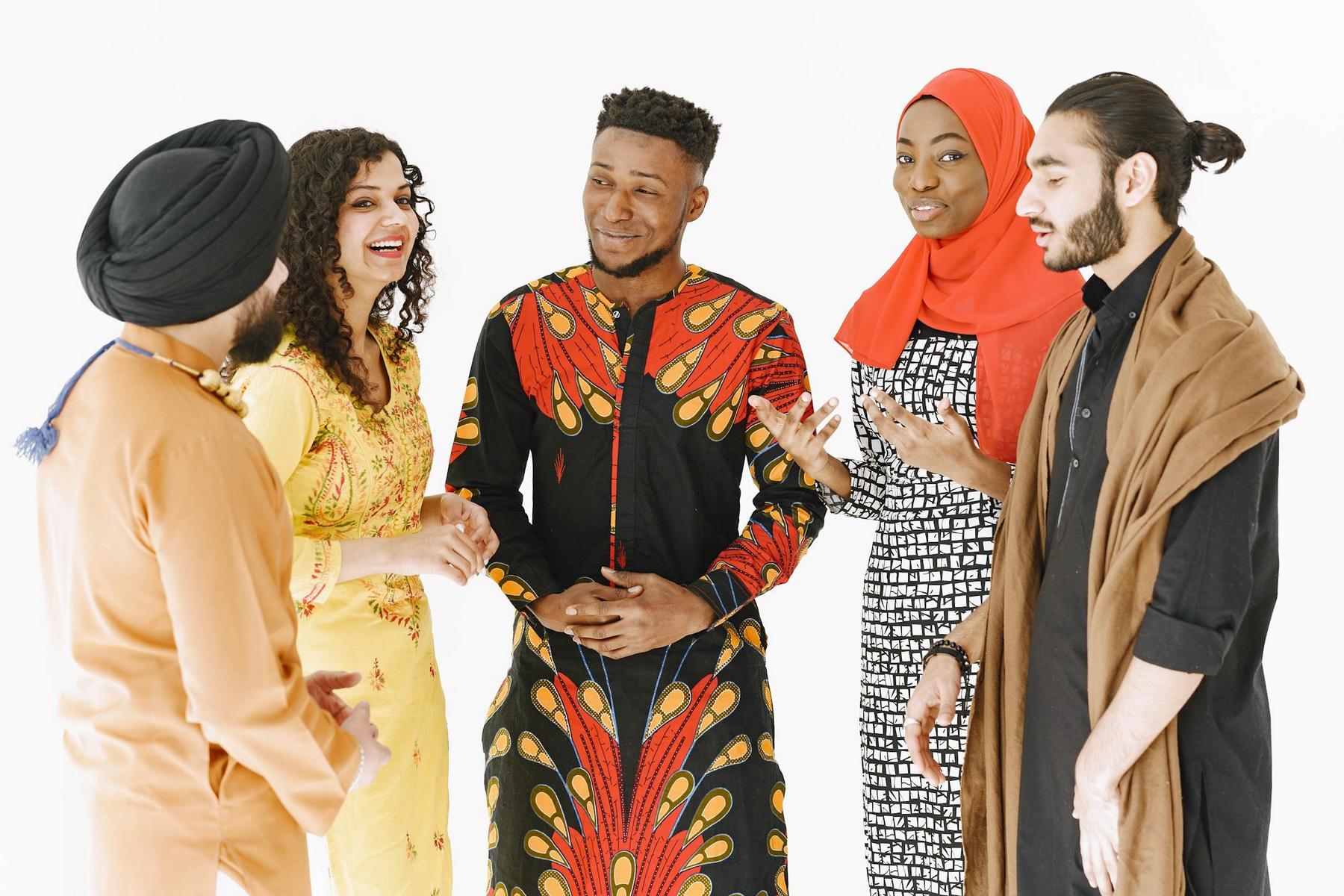
The term culturally and linguistically diverse – or CALD – refers to individuals who were not born in Australia (or in New Zealand, the United Kingdom, Ireland, the USA, Canada, or South Africa), or whose primary language spoken at home is not English. In the context of multicultural disability services, this definition carries profound implications.
In 2016, Queenslanders spoke more than 180 languages, held more than 110 religious beliefs, and came from more than 220 countries (State of Queensland, 2016). That same year, almost 21,000 usual residents of Queensland who spoke a language other than English at home required assistance for core daily activities (Queensland Government, 2016).
Importantly, Australians from CALD backgrounds experience rates of disability similar to the broader Australian population – challenging the notion of a so-called “healthy migrant effect” (Settlement Services International, 2018). The disability is present. The access to support, however, often is not.
What Barriers Do CALD Communities Face When Accessing Multicultural Disability Services?
Understanding the barriers is the first step towards dismantling them. Research consistently identifies several interconnected obstacles that prevent CALD individuals with disability from receiving the support they need and deserve.
Language and Communication Barriers
Language barriers are widely identified as one of the most significant reasons for minimal CALD participation in the NDIS (FECCA, 2015). The NDIS website and its supporting materials are notoriously difficult for non-English speakers to navigate, and accessing information about interpreter services has historically been described as “almost impossible to find” (AMPARO, 2016). Even when interpreter services are available through the Translating and Interpreting Service (TIS) National – accessible at 131 450 – the administrative process to request them can be time-consuming and cumbersome.
Cultural Stigma and Attitudes Towards Disability
Across various cultural traditions, disability may be perceived through a lens of shame, punishment, or family dishonour. In some communities, having a family member with a disability carries significant stigma – leading families to avoid seeking formal support altogether (PWDA/NEDA/FECCA, 2022). Approximately 35% of CALD Australians have no knowledge of available government-funded disability services (FECCA, 2015), and many first learn about supports through personal networks rather than through settlement services or government channels (UNSW Sydney Royal Commission, 2023).
Systemic and Structural Barriers
The NDIS was largely designed to reflect mainstream Australian approaches to disability support. For many CALD individuals, this creates an immediate mismatch. Assessment procedures are frequently described as intrusive or impractical for communities with different cultural frameworks around health, family, and independence. Overseas diagnoses may not be recognised by Australian services, and disability assessment processes are often not conducted in a culturally sensitive manner (Queensland Government, 2026).
How Does the NDIS Currently Serve CALD Participants Across Queensland?
The data tells a sobering story – but also one of emerging progress.
NDIS Participation and Outcomes: CALD vs. Non-CALD Participants
The table below illustrates the disparity between CALD and non-CALD NDIS participants across key indicators, based on NDIA data from 2019:
| Indicator | CALD Participants | Non-CALD Participants |
|---|---|---|
| Share of total NDIS participants | 8.4% | 91.6% |
| NDIS access decisions approved | 76% | 83% |
| Supported Independent Living (SIL) in plans (all ages) | 3% | 8% |
| SIL in plans (aged 25+) | 5% | 16% |
| Early intervention access | 15% | 18% |
| Primary disability: Intellectual disability | 19% | 26% |
| Primary disability: Autism | 20% | 31% |
| Primary disability: Psychosocial disability | 11% | 9% |
| Primary disability: Hearing impairment | 12% | 3% |
| Plan utilisation rate | 68% | 66% |
Source: National Disability Insurance Agency (NDIA), 2019
Despite these disparities, there are genuinely encouraging findings. CALD participants aged 15 to 24 reported an 18% improvement in social and community participation after two years in the scheme – a larger improvement than the 12% recorded for non-CALD participants in the same age group (NDIA, 2019). CALD participants also demonstrate slightly higher plan utilisation rates, suggesting that once they do access the scheme, they engage meaningfully with it.
These outcomes offer a powerful reminder: when CALD individuals are supported to access disability services equitably, they benefit significantly.
What Multicultural Disability Support Services Are Available in Townsville, Cairns, and Brisbane?
Queensland has developed a meaningful, if still incomplete, ecosystem of multicultural disability support services. Understanding what is available – and what gaps remain – is essential for CALD individuals, families, and disability support providers.
Key Organisations Supporting CALD Communities
Townsville Multicultural Support Group (TMSG), operating since 1992, is a cornerstone organisation for humanitarian entrants, refugees, and migrants in North Queensland. TMSG provides settlement programmes, culturally safe mental health services in partnership with Townsville Medicare Mental Health Centre, and domestic and family violence prevention programmes designed specifically for CALD women.
AMPARO Advocacy Inc. is Queensland’s only organisation dedicated exclusively to protecting the rights and wellbeing of vulnerable CALD Queenslanders with disability. Operating since 2004, AMPARO provides independent individual and systemic advocacy, intensive NDIS access assistance, and has developed resources in 33 community languages with audio-visual translations in eight languages. AMPARO’s capacity-building initiatives extend across Brisbane, Logan, Toowoomba, Townsville, and Cairns.
Carers Queensland’s Cultural and Linguistic Diversity Programme operates across multiple Queensland locations, including Brisbane and Cairns, providing CALD-specific support for people under 65 from culturally or linguistically diverse backgrounds. This includes assistance with eligibility determination and communication with services such as the NDIS.
The Community Connectors Programme, funded by the National Disability Insurance Agency (NDIA), provides culturally tailored support within communities to connect people to the NDIS. In Queensland, this programme is delivered in areas including Cairns and Townsville, with workers acting as liaisons between community members and the NDIS to assist with applications, connections, and navigating the scheme.
The NDIS CALD Strategy 2024–2028
Representing a significant policy commitment, the NDIS Cultural and Linguistic Diversity Strategy 2024–2028 was co-designed with over 800 people from CALD communities. Incorporating six key priorities and 28 specific actions, this strategy prioritises communication improvements and community education campaigns – acknowledging that fundamental awareness gaps persist within many CALD communities about the purpose and accessibility of the NDIS (NDIA, 2024).
How Does Culturally Appropriate Disability Support Empower CALD Individuals and Families?
Cultural competence in disability support is not simply a courtesy – it is a clinical and ethical necessity. Research consistently demonstrates that when support providers genuinely understand and respect a client’s cultural background, outcomes improve markedly.
Bicultural support programmes – which pair bilingual or bicultural workers with CALD clients – have proven particularly effective. These workers facilitate communication between services and families, interpret planning meetings, and provide verbal translations of enrolment documents. In services utilising this model, such as the Ability Links NSW programme, 64% of outcomes were achieved with CALD participants (SSI, 2018).
For CALD individuals, disability support that accounts for cultural norms around family, decision-making, and care is fundamentally different from a generic service. In many cultures, family caregiving is deeply valued – and must be understood and respected by support providers, rather than misinterpreted as an absence of need (Zhou, 2015). Effective CALD disability support works with these values, not against them.
Genuine cultural competence in disability care is not an optional extra – it is the foundation upon which trust, engagement, and meaningful outcomes are built.
Building a More Inclusive Future for CALD Disability Support in Queensland
The Royal Commission into Violence, Abuse, Neglect and Exploitation of People with Disability drew direct attention to the systemic barriers experienced by CALD people with disability – recommending that organisations develop cultures of inclusiveness, design programmes in consultation with CALD disability communities, and create culturally responsive mechanisms for reporting violence, abuse, and neglect (UNSW Sydney Royal Commission, 2023).
In Queensland, multiple intersecting initiatives – from AMPARO’s advocacy work to the Queensland Government’s CALD NDIS Ready Toolkit – are working to address decades of accumulated disadvantage. Yet the evidence is clear: direct outreach, delivered in community languages and respectful of family structures, is essential to closing the participation gap (AMPARO, 2016).
For CALD individuals and families in Cairns and Brisbane seeking culturally sensitive, personalised disability support, knowing that providers genuinely understand the intersection of culture and disability can make all the difference in a family’s willingness to seek help.
Closing Reflection: Culture, Dignity, and the Right to Support
The underrepresentation of CALD communities in Queensland’s disability support system is not a reflection of cultural self-sufficiency. It is the result of systemic barriers – language, stigma, complexity, and a lack of culturally responsive design – that have persisted for too long.
Every person with a disability, regardless of their cultural background, language, or country of origin, deserves access to compassionate, informed, and culturally appropriate support. In Cairns, Brisbane, and across Queensland, the movement towards truly inclusive multicultural disability services is gaining momentum – and every family that finds their way to the right support is a step forward.
What is CALD in the context of disability services in Queensland?
CALD stands for Culturally and Linguistically Diverse. In the context of Queensland disability services and the NDIS, it refers to individuals who were not born in certain English-speaking countries or whose primary language spoken at home is not English. CALD communities face unique barriers to accessing disability support, including language challenges, cultural stigma, and lower awareness of available services.
Why are CALD communities underrepresented in the NDIS in Queensland?
Despite CALD individuals making up approximately 23% of Australia’s population, they represented only 8.4% of NDIS participants nationally as of June 2019, with just 5% in Queensland against an expected target of 15%. Key reasons include language barriers, lack of culturally appropriate information, cultural stigma around disability, complex NDIS access processes, and insufficient outreach within CALD communities.
What multicultural disability support services are available in Cairns and Brisbane?
CALD individuals in Cairns and Brisbane can access support through organisations such as AMPARO Advocacy, which offers capacity-building and individual advocacy services, the NDIA-funded Community Connectors Programme, and Carers Queensland’s Cultural and Linguistic Diversity Programme. Additionally, various NDIS-registered disability support providers offer culturally sensitive, person-centred services tailored to individual needs.
Can NDIS participants with limited English get interpreter support?
Yes. NDIS participants with limited English proficiency can access the Translating and Interpreting Service (TIS) National, available free of charge to NDIS registered service providers assisting non-English speaking participants. However, the administrative process for booking interpreters can be complex, and organisations like AMPARO can help navigate the process.
How can disability support providers better serve CALD clients in Queensland?
Disability support providers can better serve CALD clients by employing culturally competent and, where possible, bilingual or bicultural staff; utilising accredited interpreters; providing information in community languages; co-designing support plans that respect cultural values; and engaging actively with CALD community organisations and settlement services. Resources such as the Queensland Government’s CALD NDIS Ready Toolkit also offer practical guidance.