Every year, from November through to April, Cairns transforms. The skies open, roads flood, and the tropical wet season reshapes daily life across Far North Queensland. For most residents, adapting to this rhythm is simply part of living in one of Australia’s most beautifully dramatic climates. But for people living with disability – and the support teams who care for them – the wet season brings a far more pressing challenge: how do you ensure that care never stops, even when the world outside is flooded, powerless, or cut off?
Why Is Wet Season Continuity of Care So Critical for Cairns Disability Support?
Cairns receives an average annual rainfall of 1,992 mm across approximately 154 rain days, with the overwhelming majority concentrated between January and March. The monsoon trough operates close to Cairns from December to March, bringing the possibility of tropical cyclones, flash flooding, road closures, and extended power outages.
For people with disability, these disruptions carry heightened consequences. According to the Disability Inclusive Emergency Management (DIEM) Toolkit, 1 in 6 Australians live with disability, and during disasters, people with disability face a disproportionately higher risk of death, injury, and neglect. Cairns disability support during wet season requires structured, proactive continuity planning that anticipates disruption rather than simply reacting to it.
The risks are compounding: support workers may be unable to reach participants due to flooding; backup power for life support equipment may fail; medications may become inaccessible; and familiar routines that provide stability and wellbeing may be shattered overnight. Understanding these risks is the first step toward ensuring that participants in Cairns – and across Queensland – continue to receive the care they need, without interruption.
What Do NDIS Practice Standards Require for Continuity of Care in Cairns?
Continuity of support is not optional under the National Disability Insurance Scheme (NDIS). Under Core Module 2 of the NDIS Practice Standards – Provider Governance and Operational Management – registered providers are legally required to ensure participants receive “timely and appropriate supports without interruption.”
These obligations are especially relevant for Cairns disability support during wet season, when the likelihood of disruption is at its highest. Key regulatory requirements include:
- Maintaining efficient and effective operations that minimise delays and service gaps
- Establishing clear internal communication guidelines for managing disruptions
- Anticipating risks through proactive planning and implementing management processes before events occur
- Ensuring that if a staff member is unavailable, an appropriately qualified replacement steps in promptly
In November 2021, the NDIS Commission also introduced a dedicated Emergency and Disaster Management Practice Standard, which requires providers to have continuity and response plans in place so that critical supports can continue following any organisational, community, or individual emergency. Plans must be regularly reviewed, tested, and adapted – and critically, people with disability must be included in their development.
When changes to care arrangements are unavoidable, any alternative arrangements must be explained to and agreed upon by the participant. A person-centred approach remains non-negotiable, even in the midst of a cyclone.
How Should Cairns Disability Support Providers Plan for Wet Season Disruptions?
Effective wet season continuity of care planning in Cairns requires a layered approach – one that combines organisational planning, individual participant planning, and active community partnership. The following table outlines the key planning timeframes and actions that disability support providers should follow:
| Planning Timeframe | Key Actions |
|---|---|
| Year-round | Maintain charged backup batteries, keep contact lists current, conduct regular equipment maintenance |
| Before wet season (Oct–Nov) | Update emergency kits, confirm evacuation routes, review and test emergency plans, reconfirm staff availability |
| During wet season (Nov–Apr) | Monitor Bureau of Meteorology forecasts daily, activate contingency staffing, communicate proactively with participants and families |
| Post-event | Debrief with staff, review plan effectiveness, update documentation, assess participant wellbeing |
| Ongoing | Involve participants in plan reviews, audit internal processes, train all new staff in emergency protocols |
At the core of any strong plan is a Business Continuity Plan (BCP) – a document that outlines how an organisation will continue delivering critical supports following a significant event. This goes beyond emergency planning to include scenarios such as major IT failures and extended power outages. Scenario planning with staff at all levels, participants, and families is an essential part of developing a BCP that genuinely reflects the complexity of Cairns’ wet season environment.
What Are the Key Wet Season Risk Areas That Affect Cairns Disability Services?
Cairns disability support during wet season faces several distinct and overlapping risk categories. Each requires its own tailored response within a broader continuity framework.
Transportation and Access Disruption
Flooding can close roads, isolate communities, and prevent support workers from reaching participants. Providers must maintain documented alternative transport arrangements and have backup workers who can respond when primary support staff cannot travel safely.
Power and Equipment Failures
Tropical cyclones and severe storms can cause extended power outages. For participants relying on powered mobility aids, communication devices, or life support equipment, backup power arrangements are not merely helpful – they are essential. Providers should coordinate with energy providers regarding priority reconnection and maintain a schedule for testing backup systems.
Medication and Supply Access
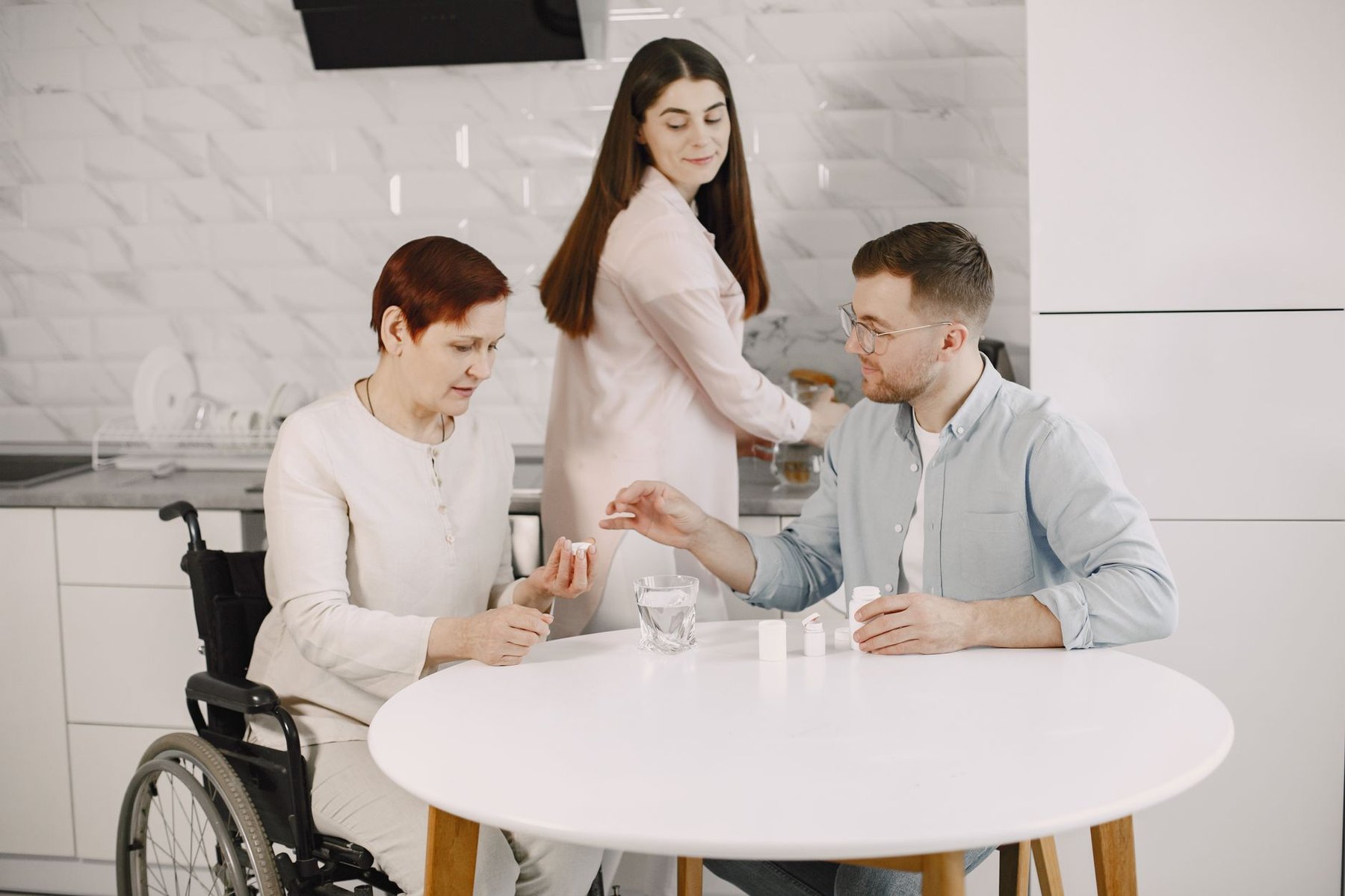
During wet season events, pharmacies may be inaccessible, and supply chains may be disrupted. Continuity plans must include maintaining a minimum three-day emergency supply of essential medications, keeping medication records in waterproof formats, and establishing relationships with healthcare providers for emergency prescription support.
Assistive Technology and Communication
Power banks, spare batteries, and backup communication methods must be documented for each participant. Staff must be trained in using backup assistive technology, and devices must be regularly tested and maintained so they are ready when needed most.
Evacuation and Accessible Shelter
Pre-planned evacuation routes must be accessible to participants with mobility disabilities. Providers should confirm arrangements with accessible evacuation centres and establish alternative accommodation that accommodates both participants and their support workers.
How Does Person-Centred Emergency Preparedness Protect NDIS Participants in Cairns?
The Person-Centred Emergency Preparedness (P-CEP) framework is designed to keep individuals with disability at the centre of emergency planning – not as afterthoughts, but as active participants in their own safety. It is aligned with both NDIS requirements and Queensland Government recommendations.
Developed across four stages, P-CEP guides providers and participants through identifying strengths and supports, assessing preparedness levels, tailoring plans to unique needs, and communicating those plans across the participant’s entire support network.
Every strong emergency plan should address three core contingencies:
Sheltering in Place
What does the participant need to remain safely at home? This includes power backup, medication access, water, and communication.
Evacuating
How will the participant leave safely, and where will they go? This includes accessible transport, accommodation, and a clear list of who to contact.
Navigating the Recovery Phase
What support does the participant need in the days and weeks after an event? Recovery planning is as important as the immediate response.
Participants’ emergency plans should be reviewed regularly, especially whenever there are changes to health, living situation, or personal support networks.
What Happens to Cairns Disability Support During Hospital Transitions in Wet Season?
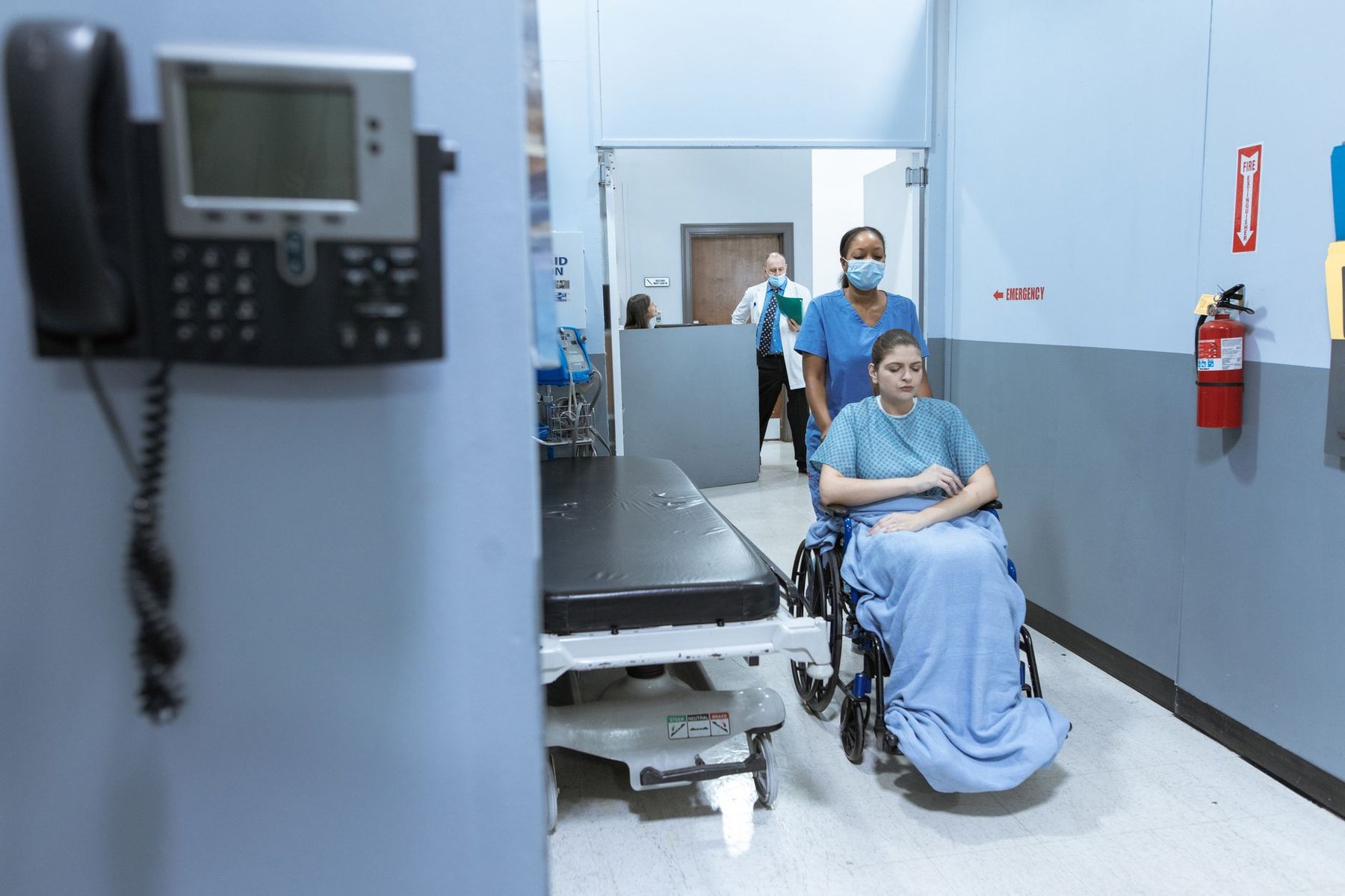
Wet season events can increase the frequency of hospital admissions for people with disability – through injury, illness, or exacerbation of existing conditions. Transitions between disability support services and hospitals are high-risk periods for continuity of care, and the NDIS Commission has identified them as requiring specific protocols.
Before any admission, providers should ensure that a participant’s health record and medication information is fully up-to-date. A pre-admission meeting with hospital staff helps communicate the participant’s communication needs, mobility requirements, mealtime management, and behaviour support strategies.
During a hospital stay, it may be necessary for a familiar support worker to be present – someone the participant knows and trusts – to maintain continuity of care and ensure effective communication with clinical staff.
Upon discharge, planning must begin as early as possible and should include transportation arrangements, updated care plans, a transfer-of-care summary, medication reviews, and staff training for any new care requirements arising from the hospital stay. In a wet season context, discharge planning must also account for whether a participant’s home is accessible and whether all necessary supports can be safely reinstated.
Preparing for Every Wet Season, Together
Cairns disability support during wet season is at its best when it is thoughtful, proactive, and deeply personal. No two participants face the same risks, rely on the same equipment, or have the same network of support – and that is exactly why continuity of care planning must always be person-centred, not just policy-driven.
With the intensity of wet season weather events increasing – recent climate analysis shows rainfall over the Queensland coast is up to 17 mm per day wetter, with conditions up to 1.5°C warmer compared to historical averages – the urgency of having robust plans in place grows with each passing year. Providers who invest in meaningful planning now protect not only their compliance with NDIS Practice Standards, but far more importantly, the safety, dignity, and wellbeing of the people they serve.
The most resilient disability support is not built in an emergency – it is built in the quiet months before one arrives.
Have questions? Need support? Reach out to us here at Advanced Disability Management. Our dedicated team in Cairns and Brisbane is here to help you plan, prepare, and feel confident – whatever the season brings.
What is continuity of care in disability support during the wet season?
Continuity of care in disability support refers to ensuring that NDIS participants continue to receive uninterrupted, high-quality support regardless of external disruptions. During Cairns’ wet season — November to April — this means having plans in place for flooding, cyclones, power outages, staff unavailability, and transport disruptions. Under NDIS Practice Standards, continuity of support is a mandatory requirement for all registered providers.
What are NDIS providers in Cairns legally required to do for wet season emergency planning?
Registered NDIS providers in Cairns are required under the NDIS Practice Standards to have disaster preparedness and planning measures in place. This includes conducting risk assessments, developing emergency response plans, ensuring individual support plans incorporate emergency scenarios, maintaining trained and prepared workforces, and regularly reviewing and testing all continuity plans. The NDIS Emergency and Disaster Management Practice Standard (introduced November 2021) sets out specific obligations in this area.
How can families support wet season continuity of care planning for a loved one with disability in Cairns?
Families play a vital role in wet season preparedness. They can participate in the development of their loved one’s Person-Centred Emergency Preparedness (P-CEP) plan, confirm they are listed as emergency contacts, understand evacuation routes and shelter arrangements, and maintain open communication with their disability support provider throughout the wet season. Having an up-to-date emergency kit at the participant’s home — including medications, documents, power banks, and three days’ worth of supplies — is also strongly recommended.
What should be included in an emergency kit for NDIS participants in Cairns?
An emergency kit for NDIS participants in Cairns should include at minimum three days of food and water, essential medications and first-aid supplies, important documents (Medicare card, NDIS plan, care plans) stored in a waterproof bag or on a USB drive, charged communication and mobility device power banks, spare batteries, warm clothing and bedding, hygiene items, a battery-powered radio, and cash. It should also include written support instructions for any new helpers, a printed P-CEP plan, and sensory aids or comfort items specific to the participant.
Does Advanced Disability Management provide wet season continuity of care support in Cairns and Brisbane?
Yes. Advanced Disability Management provides disability support services across both Cairns and Brisbane, Queensland. The team works with each participant to develop personalised care plans that address the specific risks of the Cairns wet season, including transport contingencies, staff backup arrangements, and emergency preparedness aligned with NDIS Practice Standards. Contact the team to discuss your individual needs and how they can best support you year-round.