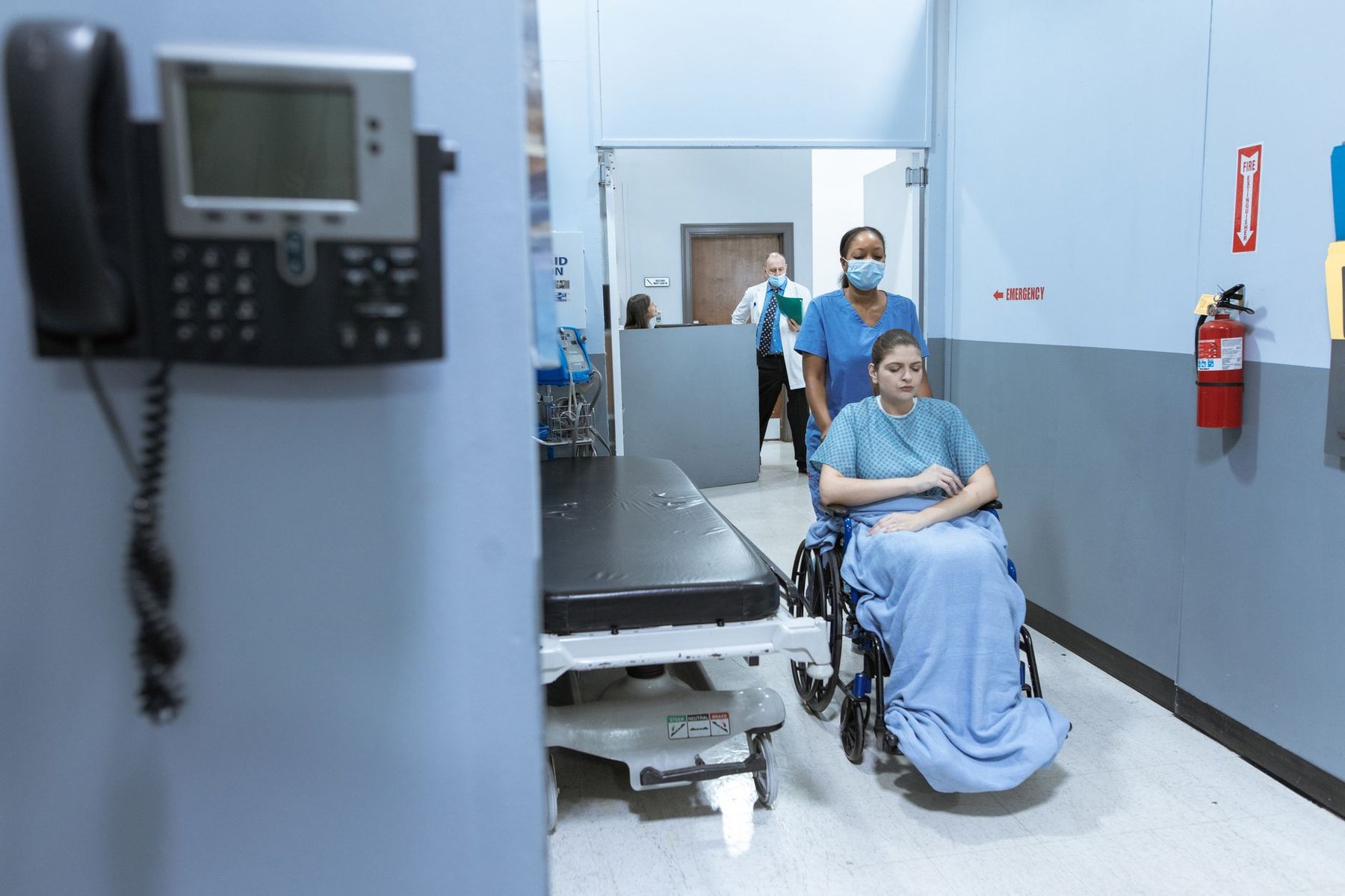
When someone you love is living with a life-limiting illness and a disability, navigating two complex support systems simultaneously can feel overwhelming. Families, carers, and NDIS participants across North Queensland are often left wondering: who funds what, who coordinates with whom, and most importantly – how do we make sure our loved one is cared for with dignity, comfort, and compassion during the most profound stage of life?
Coordinating palliative care and NDIS support in Townsville – and across Queensland more broadly – requires a clear understanding of how these two systems interact, what each funds, and how they can be woven together into a seamless experience for participants and their families. This article provides a comprehensive, authoritative guide to navigating that journey.
What Is the Difference Between Palliative Care and NDIS-Funded Disability Support?
Understanding the distinction between these two systems is the critical first step in coordinating end-of-life support effectively.
Palliative care is a holistic approach focused on improving quality of life for individuals living with serious or life-limiting illness. It addresses physical symptoms, emotional wellbeing, spiritual needs, and social connection – and importantly, it can begin at any stage of illness, not only at the very end of life. The final weeks and months of life, when death is approaching, are referred to specifically as end-of-life care, representing the most intensive phase of palliative support.
The National Disability Insurance Scheme (NDIS), by contrast, funds functional disability-related supports that help participants live as independently and fully as possible. These two systems are distinct in their purpose and funding source – but they are deeply complementary, particularly as a participant’s condition progresses.
Historically, ambiguity between these two systems left NDIS participants and families caught in funding disputes. However, landmark legislative reforms enacted on 4 July 2024 brought critical clarity: state and territory health systems are now clearly responsible for specialist clinical palliative care, while the NDIS is responsible for funding functional, non-clinical disability supports. As Palliative Care Australia CEO Camilla Rowland observed following these reforms: “Now that we have established clearer boundaries between state and federal systems, we hope to see better co-ordination between specialist clinical palliative care services, and the functional, non-clinical services funded by the NDIS; leading to better outcomes for NDIS participants and their loved ones.”
What Does the NDIS Fund for Participants Receiving Palliative and End-of-Life Care?
Many families are surprised to learn just how much the NDIS can – and should – continue to fund throughout the end-of-life period. The NDIS does not stop when a terminal diagnosis is received. In fact, participant needs often increase during this time, and funding can be reviewed urgently to reflect that.
NDIS-funded supports that continue through end-of-life care include:
- Personal care assistance (showering, dressing, toileting, and hygiene as independence decreases)
- Daily living support (meal preparation, household tasks, medication prompting)
- Support coordination (navigating between NDIS providers, palliative care teams, GPs, and the NDIA)
- Assistive technology (pressure care mattresses, positioning aids, communication devices)
- Home modifications (ramps, railings, bathroom adaptations to support care at home)
- Supported Independent Living (SIL) with potentially increased support hours
- Transport to medical appointments and community visits that hold meaning for the participant
What the NDIS does not fund includes specialist palliative care nursing and clinical services, medications, hospice admission costs, or bereavement counselling for family members – these remain the responsibility of the state health system.
When a participant receives a terminal diagnosis or experiences significant deterioration, an urgent NDIS plan review can be requested. The NDIA can process these reviews within days when end-of-life circumstances are identified, allowing for increased hours, new support categories, and fast-tracked equipment access.
What Palliative Care Services Exist in Townsville and the Surrounding Region?
Townsville serves as the tertiary referral centre for North Queensland, providing specialist palliative care to a vast region extending from Cape York Peninsula and Torres Strait Islands to Mount Isa and the Gulf of Carpentaria.
The Townsville Palliative Care Service, located on the Townsville University Hospital campus, is a Level 5/6 specialist service providing:
- Inpatient care for complex symptom management and end-of-life care
- Outpatient clinics and consultation services across Townsville University Hospital
- Outreach services to community patients, including contracted domiciliary nursing
- Counselling and bereavement support for patients, families, and carers
- Educational programmes for health workers across North Queensland
- 24-hour grief and bereavement support for patients and families
For those in rural and remote areas, the Specialist Palliative Care Rural Telehealth (SpaRTa) Hub – also known as the Care in the Right Setting (CaRS) initiative – provides telehealth consultations, telephone clinical support for rural clinicians, and access to palliative care equipment through the MASS Palliative Care Equipment programme.
The Northern Queensland Primary Health Network (NQPHN) coordinates palliative care services across the broader region. In 2023, NQPHN funded Palliative Care Queensland to deliver its Connecting End-of-Life Care programme, rolling out training events for GPs and residential aged care staff across the Townsville area.
PalAssist also provides free, seven-days-a-week telephone and online support for individuals with life-limiting illness and their families and carers, reachable on 1800 772 273.
Why Do People with Disability Face Unique Barriers to Accessing Palliative Care?
Despite the clear need for coordinated support, research consistently demonstrates that people with disability are significantly less likely to receive palliative care than the broader population. According to the Australian Institute of Health and Welfare, people under 65 years who used disability services were 4.7 times more likely to die compared to the general population under 65 – yet access to palliative care remains disproportionately low.
The barriers are systemic, organisational, and personal:
Systemic barriers include the siloed nature of health, disability, and aged care services. Collaboration between palliative care teams and NDIS providers has historically been limited, resulting in fragmented, poorly coordinated care. Diagnostic overshadowing – where health professionals attribute new symptoms to a person’s existing disability rather than investigating further – also contributes to delayed palliative care referrals.
Communication barriers between health and disability sectors mean that critical clinical information is rarely shared with NDIS support workers, while a participant’s disability-specific needs may not be communicated effectively to palliative care teams.
Knowledge gaps among support workers – who may have little training in recognising the signs of advancing illness – can lead to delayed identification of palliative care needs and late referrals.
Addressing these barriers requires deliberate effort: cross-sector training, shared care planning, consistent communication protocols, and a commitment to placing the participant’s wishes and dignity at the centre of every decision.
How Can Palliative Care and NDIS Supports Be Effectively Coordinated?
Effective coordination between palliative care and NDIS support is not accidental – it requires deliberate structures, clear communication, and genuine collaboration. The following framework reflects best practice for NDIS providers working alongside palliative care teams.
| Coordination Element | Best Practice Approach |
|---|---|
| Single Point of Contact | Designate one person (typically a team leader or support coordinator) as the primary liaison with the palliative care team |
| Case Conferencing | Participate in multidisciplinary case conferences with palliative care team, GP, and family – at minimum quarterly, more frequently as condition changes |
| Shared Care Planning | Develop integrated care plans addressing medical preferences, personal care, community participation, cultural/spiritual needs, and communication |
| Communication Protocols | Establish consent-based information sharing, clear escalation pathways, and after-hours contact details for all support workers |
| Documentation | Complete progress notes at the end of every shift, documenting changes in condition, comfort measures, participant responses, and expressed wishes |
| NDIS Plan Reviews | Request urgent plan reviews immediately upon terminal diagnosis or significant deterioration to adjust hours and support categories |
| Advance Care Directive Compliance | Locate, document, and honour any existing Advance Care Directive; share with all involved in the participant’s care |
Documentation is particularly critical at end-of-life. Unlike standard care settings, progress notes should be completed at the end of every shift – not only when notable events occur – capturing pain levels, positioning, hydration and nutrition, emotional state, and any expressed preferences or wishes.
How Does Advance Care Planning Intersect With NDIS End-of-Life Support?
Advance Care Planning (ACP) is one of the most powerful tools available to ensure a participant’s wishes guide their care – even if they later lose the capacity to communicate those wishes directly.
An Advance Care Directive (ACD) is a legal document in which a person records their preferences for future health care and personal care. For NDIS support workers, this means asking early whether a participant has an ACD, understanding its scope, and ensuring it is accessible to everyone involved in their care – including through upload to My Health Record.
ACDs may address medical treatment decisions, preferences around resuscitation, cultural and religious requirements, nominated decision-makers, and life-prolonging treatment choices. Support workers must comply with ACD instructions within their area of responsibility, and any medical treatment decisions must be escalated to the appropriate clinical team.
When a participant does not yet have an ACD, disability support coordinators and providers can play a meaningful role in encouraging and facilitating advance care planning conversations – ideally well before end-of-life becomes imminent.
What Disability Research Tells Us About End-of-Life Care Disparities
The evidence paints a striking picture of unmet need. The World Health Organisation estimates that only 14% of people globally who need palliative care actually receive it. For people with disability, the disparities are even more pronounced:
- People with intellectual disability admitted to hospital for cancer were found to be 8 times more likely to die within the study period compared to non-disabled populations
- People with intellectual disability receive less opioid analgesia during final illness compared to those without disability
- Research across 52 high-income countries documents institutional discrimination and health care inequalities contributing to avoidable excess mortality among people with disability
With an estimated 5.5 million Australians (21.4%) now living with disability – and NDIS participation projected to reach approximately 859,328 participants by 2030 – the demand for well-coordinated, compassionate end-of-life support will only grow.
Dignity, Choice, and Compassion: The Foundation of End-of-Life NDIS Support
At the heart of every discussion about palliative care and NDIS coordination lies a simple but profound truth: every person deserves to spend their final chapter with dignity, comfort, and the people they love – wherever they choose to be.
For NDIS participants, this means that disability support providers have not only a contractual obligation but a profound human responsibility to show up – trained, coordinated, and compassionate – throughout the end-of-life journey. It means ensuring that support workers know what to document and when. It means advocating for urgent plan reviews when a terminal diagnosis arrives. It means sitting alongside the participant and asking what they want.
The 2024 legislative reforms have created genuine opportunity for better coordination between the NDIS and specialist palliative care services in Townsville and across Queensland. Realising that opportunity depends on providers, coordinators, families, and health teams working together – not in silos.
Have questions? Need support? Reach out to us here at Advanced Disability Management. Our experienced, compassionate team in Cairns and Brisbane is dedicated to providing personalised, person-centred disability support – including navigating complex care needs with the dignity and respect every participant deserves.
Does the NDIS continue to fund supports after a terminal diagnosis?
Yes. The NDIS continues to fund disability-related supports throughout a participant’s life, including after a terminal diagnosis. In fact, an urgent NDIS plan review can be requested to increase support hours, add new support categories, and fast-track assistive technology or personal care services to reflect changing needs.
What is the difference between palliative care and end-of-life care for NDIS participants in Townsville?
Palliative care focuses on improving quality of life at any stage of serious or life-limiting illness through symptom management and holistic support. End-of-life care refers specifically to the final weeks or months of life, when comfort and dignity become the primary focus. The NDIS funds functional disability supports across both phases, while specialist clinical care is provided by Queensland Health services such as the Townsville Palliative Care Service.
How do I request an urgent NDIS plan review for a participant who has received a terminal diagnosis?
Contact the NDIA directly and identify the end-of-life circumstances. The NDIA can process urgent plan reviews within days when a terminal diagnosis or significant deterioration has been identified. A support coordinator can assist in facilitating this process and advocating for increased or adjusted funding to reflect the participant’s changing needs.
What role does an Advance Care Directive play in NDIS end-of-life support?
An Advance Care Directive (ACD) is a legal document recording a person’s wishes for future health and personal care. NDIS support workers are required to comply with ACD instructions within their area of responsibility— including personal care preferences, communication with health providers, and cultural or spiritual requirements. ACDs should be documented in the participant’s file, shared with all involved in their care, and ideally uploaded to My Health Record.
Who can I contact for free palliative care support in North Queensland?
PalAssist offers free, seven-days-a-week telephone and online support for people with life-limiting illness and their families and carers. They can be reached on 1800 772 273 or via their website at www.palassist.org.au. The Townsville Palliative Care Service can also be contacted directly on (07) 4433 7423, with after-hours prescriber advice available 24 hours a day on 1300 725 537.