Finding the right home is one of the most personal and important decisions a person will ever make. For NDIS participants in Townsville and across Queensland, that search can feel especially overwhelming – particularly when Specialist Disability Accommodation (SDA) is frequently discussed but may not be accessible or even the right fit. The good news is that the landscape of Townsville NDIS housing options beyond SDA is far richer, more flexible, and more empowering than many people realise.
Whether you are an NDIS participant, a family member, or a support coordinator trying to understand what is genuinely available, this guide walks through the full picture – from supported independent living and shared arrangements to private renting with modifications and In-home support at home – so you can make confident, informed decisions.
What Are the NDIS Housing Options for Townsville Participants Who Don’t Qualify for SDA?
It is one of the most common misconceptions in disability support: that SDA is the NDIS housing solution. In reality, as of March 2025, approximately 661,267 active NDIS participants were accessing the scheme nationally, yet only around 25,000 had SDA funding included in their plans. That means roughly 94% of participants are navigating housing through other pathways – and those pathways are genuinely viable.
For Townsville residents, the primary NDIS housing and living support options include:
- Supported Independent Living (SIL) – funding for support workers to assist with daily living tasks in shared or private homes
- Individualised Living Options (ILO) – flexible, participant-designed living arrangements
- Private rental with NDIS-funded home modifications – living in the open market with tailored accessibility supports
- Shared living arrangements – cost-effective housing shared with other participants
- Support at home (in-home care) – remaining in your own or family home with drop-in or ongoing support
The table below provides a clear comparison of each housing option to help you understand which may align with your goals.
| Housing Option | Funds Accommodation? | Funds Support Workers? | Flexibility | Best Suited For |
|---|---|---|---|---|
| SDA | Yes (specialist builds) | No (separate SIL needed) | Lower | Extreme functional impairment |
| SIL | No | Yes (daily support) | Moderate | Daily support needs in shared/private home |
| ILO | No | Yes (flexible model) | High | Self-directed, personalised arrangements |
| Private Rental + Modifications | No (rent from own income) | No (separate SIL/drop-in) | High | Independent living with accessibility needs |
| Shared Living (IHSGA) | No | Yes (shared support model) | Moderate | Cost-effective community living |
| In-Home Support | No | Yes (drop-in or ongoing) | Very High | Remaining in family or own home |
It is essential to understand that the NDIS does not fund rent or general living expenses regardless of the housing option. Participants typically meet these costs through the Disability Support Pension (DSP) and Commonwealth Rent Assistance (CRA).
How Does Supported Independent Living (SIL) Work for NDIS Participants in Townsville?
Supported Independent Living is one of the most widely accessed housing-related supports in the NDIS, with approximately 33,500 participants nationally receiving SIL funding for shared or in-home supports as of March 2025.
Critically, SIL funds the support workers – not the accommodation itself. This distinction matters enormously. SIL funding enables participants to receive assistance with Personal care, cooking, cleaning, household tasks, and daily living activities in a range of settings, including shared homes, private rentals, and community-based housing.
In Townsville, a number of established providers offer SIL arrangements, providing everything from 24-hour shared support to individualised one-to-one assistance. What makes SIL particularly empowering is that housing and support are separately funded – meaning participants can change their support provider without being forced to move home.
What SIL Does and Does Not Cover
SIL funding covers:
- Personal care (showering, grooming, dressing)
- Medication prompting and management assistance
- Meal preparation and household tasks
- Overnight support and supervision where needed
- Building daily living skills and independence
SIL funding does not cover:
- Rent or accommodation costs
- Food, groceries, or household consumables
- Utility bills
Rent and household contributions in SIL arrangements must be fair, transparent, and clearly documented in service agreements. From 1 July 2026, mandatory registration for all SIL providers comes into effect nationally – a significant reform aimed at strengthening quality and safety in supported accommodation.
What Are Individualised Living Options (ILO) and Could They Work for You?
Individualised Living Options represent one of the most exciting and participant-centred developments in NDIS housing support. Rather than fitting into a pre-determined housing model, ILO allows participants to design their own living arrangements from the ground up, based on their unique preferences, goals, and support needs.
ILO is divided into two funding phases: an Exploration and Design phase, where time and resources are invested in identifying the best arrangement, followed by a Support Model phase covering day-to-day assistance. ILO may be appropriate for participants aged 18 and over who require at least six hours of support daily and are willing to invest time in building their ideal living arrangement.
The Five Main ILO Arrangement Types
Host Arrangement
A participant lives full-time in the home of an unrelated host person or family who provides day-to-day support, emotional connection, and assistance with household activities. The host receives funding through the participant’s NDIS plan.
Co-Residency
A support worker or chosen housemate lives with the participant, typically receiving free or subsidised accommodation in exchange for providing support in a structured, agreed arrangement.
Living Together with Chosen Housemates
Participants share their home with people of their own choosing – not assigned by a provider – with tailored and flexible support built around the household.
Living Alone with Drop-In Support
Participants live independently and receive flexible support during specific, agreed times rather than continuous residential support.
Living Together with Other NDIS Participants
Two or more participants share a home and pool support needs, often achieving lower individual costs than traditional group homes while maintaining genuine choice.
Importantly, ILO does not fund rent, accommodation costs, or hourly wages to co-residents or hosts – these individuals receive board and lodging contributions instead.
Can the NDIS Fund Home Modifications for Private Rentals in Townsville?
Private rental remains one of the most popular Townsville NDIS housing options for participants who wish to live independently in the community. While the NDIS does not cover rent, it can fund home modifications that make a rental property safe, accessible, and functional.
Home modifications are funded under Capital Supports and fall into three categories based on scope and cost:
Simple Modifications (Under $1,500 Per Item)
These include grab rails, accessible tapware, hand-held showers, lever door handles, and non-slip flooring. They are straightforward and typically approved with an occupational therapist’s recommendation.
Minor Modifications (Under $25,000 Total)
These cover more comprehensive changes such as accessible bathroom conversions, kitchen modifications, and widened doorways for wheelchair access.
Complex Modifications (Over $25,000)
Structural changes, permanent ramps, ceiling hoists, and lift installations fall into this category and require more detailed assessment and justification.
For rental properties, the NDIS requires written consent from the landlord, a long-term lease (typically a minimum of 12 months), and an occupational therapist’s assessment confirming the modifications are reasonable and necessary. The Queensland Government’s Home Assist Secure Program also provides additional subsidised assistance for eligible Queenslanders with disability for critical home maintenance and minor modifications.
The private rental market does present challenges – nationally, vacancy rates sat at 1.6% as of 2025, well below the balanced market rate of 3–4%, making accessible, affordable housing genuinely competitive. Early planning and working with a support coordinator can make a significant difference in securing suitable accommodation.
How Does Shared Living and In-Home Support Enable Greater Independence?
Shared living arrangements – where two or more participants live together and share support workers – are one of the most cost-effective and socially enriching Townsville NDIS housing options available. Rather than bearing the full cost of individual support, participants in shared arrangements split support costs while enjoying the social benefits of community and companionship.
Recent NDIS reforms have placed strong emphasis on participant rights in shared living, including the right to choose housemates, mandatory governance arrangements that give residents genuine control, and the introduction of a new shared support facilitator role to ensure every household member has a meaningful voice in how the home operates.
In-Home Support: Staying in the Home You Love
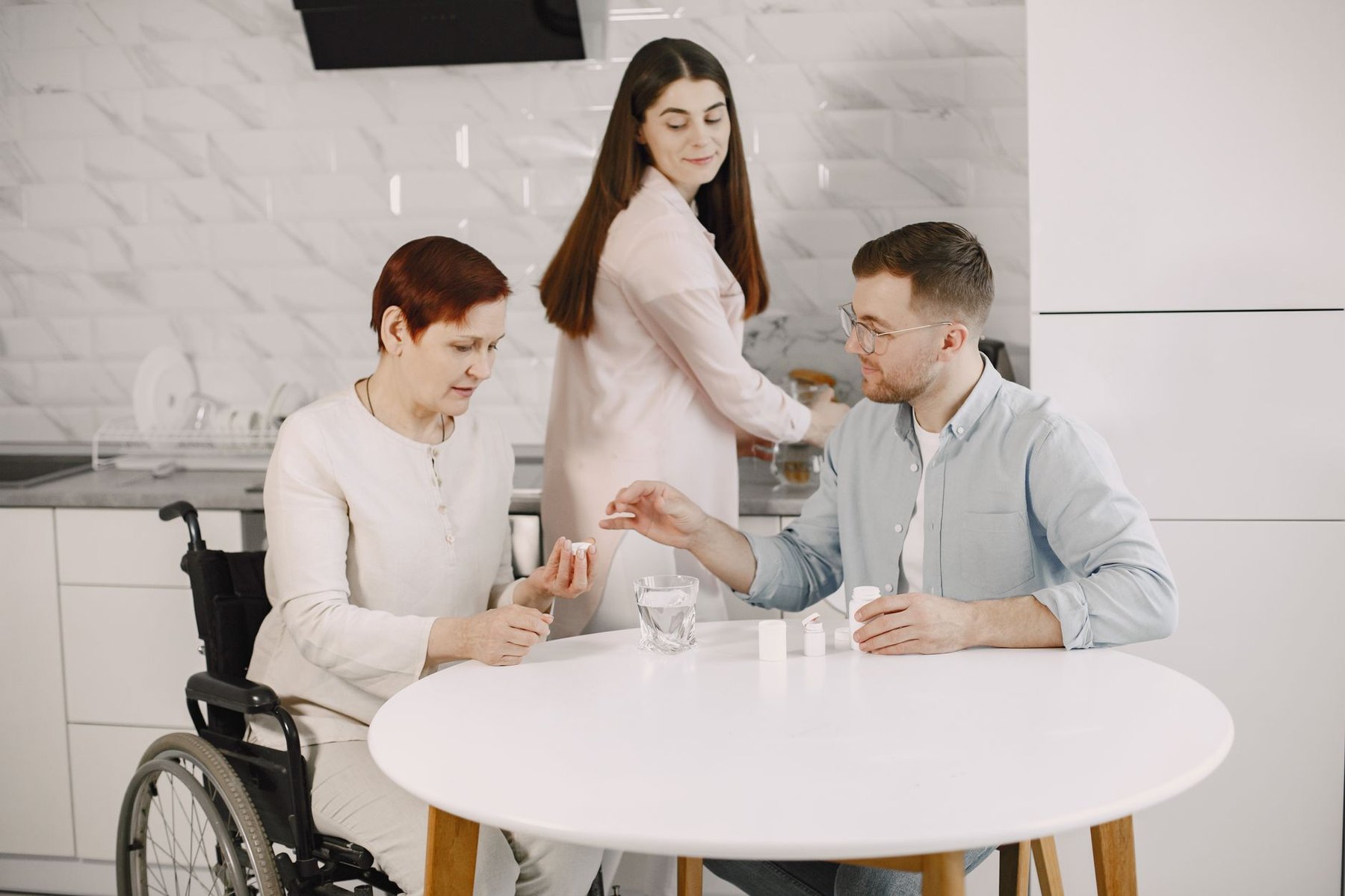
For many participants and families, the question is not about finding new housing – it is about making their existing home work better. In-home support (funded under Core Supports – Assistance with Daily Living) enables participants to remain in familiar surroundings while receiving tailored assistance.
In-home support can include personal care, meal preparation, household tasks, life skills development, community access, and complex care for participants with higher needs. These supports can be combined with any housing arrangement – whether a family home, private rental, or shared living – giving participants maximum flexibility.
Capacity Building supports can also fund skill-building programmes aimed at increasing long-term independence, helping participants develop cooking, budgeting, appointment management, and other practical capabilities over time.
Navigating NDIS Housing: What You Need to Know Before Your Next Planning Meeting
Understanding Townsville NDIS housing options beyond SDA is only the beginning – the key is knowing how to advocate for the right supports within your NDIS plan. Housing goals should be clearly articulated during planning meetings, with supporting evidence from occupational therapists and other allied health professionals where relevant.
Short-Term Accommodation (STA/respite) and Medium-Term Accommodation (MTA) can also play a role during housing transitions. Respite is generally available for up to 28 days per calendar year (with a maximum of 14 consecutive days per stay), while MTA can fund temporary accommodation for up to three months while long-term housing solutions are being established.
Queensland’s social housing system – managed by the state government and not-for-profit community housing providers – represents another avenue for eligible participants with limited income. Eligibility criteria include income thresholds, asset limits, and demonstrated housing need, and applications are processed through local Housing Service Centres.
With the right support coordination and early planning, navigating the complexity of NDIS housing becomes far more manageable. The landscape of options available to Townsville participants is genuinely broad – and the right path forward is the one that best reflects your goals, preferences, and vision for daily life.
Making the Best Housing Decision for Your Life in Townsville
Choosing where and how to live is deeply personal. For NDIS participants in Townsville, the options that exist beyond SDA – from SIL and ILO to private rental modifications, shared living, and tailored in-home support – represent a meaningful spectrum of choice and control. The most effective housing decisions are those made with comprehensive information, professional support, and a clear understanding of what NDIS funding can genuinely provide.
As NDIS reforms continue to evolve through 2026 and beyond, the emphasis on participant choice, safety, and flexible living arrangements is only growing stronger. Whether you are exploring options for the first time or seeking to improve an existing arrangement, the pathways to a safe, comfortable, and empowering home in Townsville are real and accessible.
What NDIS housing options are available in Townsville if I don’t qualify for SDA?
If you do not qualify for Specialist Disability Accommodation, you may still access a range of NDIS housing supports in Townsville, including Supported Independent Living (SIL), Individualised Living Options (ILO), private rental with NDIS-funded home modifications, shared living arrangements, and in-home support. The NDIS funds the support services and modifications that help you live independently – not the accommodation itself.
Does the NDIS pay for rent in Townsville?
No. The NDIS does not pay rent or general living expenses regardless of your housing arrangement. Most participants meet rental costs through the Disability Support Pension (DSP) and, where eligible, Commonwealth Rent Assistance (CRA) paid through Services Australia. Your NDIS plan funds the support workers, home modifications, and capacity-building activities that enable you to live as independently as possible.
What is the difference between SIL and ILO for NDIS participants in Townsville?
Supported Independent Living (SIL) funds support workers to assist with daily tasks in a shared or private home, typically providing structured, ongoing support including 24-hour arrangements. Individualised Living Options (ILO) are more flexible and participant-designed, allowing you to build a custom living arrangement—such as living with a host family, a co-resident, or chosen housemates—with tailored support. Both options can be effective depending on your support needs and lifestyle goals.
Can I get NDIS funding to modify a rental property in Townsville?
Yes. The NDIS can fund home modifications for rental properties under Capital Supports, provided you have written landlord consent, a long-term lease in place (typically 12 months or more), and an occupational therapist’s recommendation. Modifications can range from simple grab rails to complex structural changes.
How do I include housing goals in my NDIS plan?
To access housing-related supports through your NDIS plan, clearly articulate your housing goals during your planning meeting. Supporting evidence from occupational therapists, support coordinators, and other allied health professionals can strengthen your case for relevant supports, including SIL, ILO, home modifications, and in-home care. A Support Coordinator can help you navigate your options and advocate for appropriate funding.