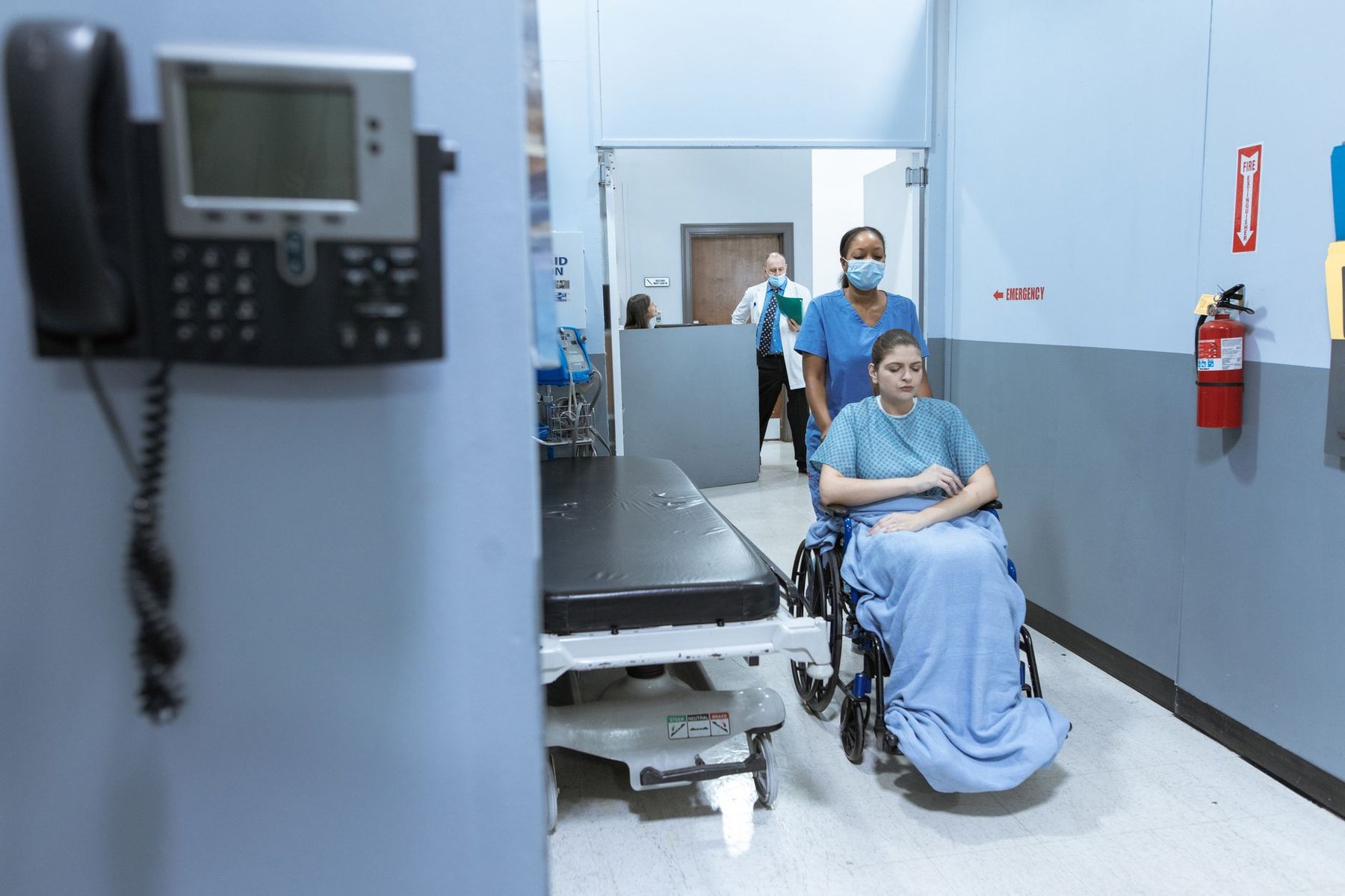
Emergencies do not send a warning. One moment, life is moving along as planned – and the next, a cyclone is approaching, a primary carer is unexpectedly hospitalised, or a mental health crisis has escalated beyond what current supports can manage. For individuals living with disability, these moments carry a weight that others may not fully appreciate.
If you or someone you love is an NDIS participant in Cairns or Brisbane, knowing exactly what to do during an emergency can make an enormous difference. This guide walks you through Cairns NDIS crisis intervention step by step – from the very first call you should make, to accessing emergency funding, building an evacuation plan, and finding your footing again in recovery.
What Actually Qualifies as an NDIS Crisis?
Understanding what constitutes a crisis under the NDIS framework is the first step in getting the right support quickly.
An NDIS crisis occurs when disability-related supports suddenly become ineffective, inadequate, or absent – and neither the participant nor their support coordinator can make short-term arrangements or activate the in-house supports already in their NDIS plan. This is a meaningful distinction. A crisis is not simply an inconvenient disruption; it is a situation where a participant’s health, safety, or wellbeing is at immediate risk.
Common crisis scenarios include:
- Sudden unavailability of a primary carer due to hospitalisation, death, or unexpected absence
- Natural disasters such as cyclones or floods affecting accommodation
- Breakdown in housing arrangements or sudden homelessness
- Loss or damage to essential assistive technology or medical equipment
- Mental health crises requiring immediate psychological intervention
- Abuse, neglect, or serious safeguarding concerns
- Unexpected failure or cessation of services by a current provider
- Significant changes in functional capacity requiring immediate new support
The NDIS Emergency and Disaster Management Practice Standard, introduced in November 2021 by the NDIS Commission, makes it clear that registered providers have mandatory obligations to plan, prevent, manage, and respond to exactly these kinds of situations. Crisis intervention for NDIS participants is not optional – it is a protected right.
What Are the First Steps in an NDIS Emergency in Cairns?
When a crisis hits, clarity is everything. Here is how to respond in the right order:
Step 1: Ensure Immediate Physical Safety
If there is any immediate threat to life or safety, call Triple Zero (000) for police, fire, or ambulance services. No other step matters more than this one.
Step 2: Contact the Relevant Crisis Service
Once immediate safety is addressed, reach out to the service that best matches the nature of the crisis.
Step 3: Contact NDIS Support Channels
For disability-specific crises outside standard business hours, the NDIS After Hours Crisis Referral Service (AHCRS) is available for participants aged 18 and over. This national initiative – funded by the National Disability Insurance Agency – is specifically designed to respond to disability-related emergencies during evenings, weekends, and public holidays. Access is available through your Local Area Coordinator (LAC) or registered disability service provider using your NDIS participant number.
During business hours, NDIS participants in Cairns can contact:
- NDIS General Line: 1800 800 110 (8am–8pm local time)
- Mission Australia (LAC for Cairns Region): 1800 860 555 (8:30am–4:30pm, Monday–Friday)
How Can NDIS Participants in Cairns Access Emergency Funding?
One of the most important and least understood aspects of Cairns NDIS crisis intervention is the ability to access emergency funding through a plan variation – without undergoing a full plan reassessment.
Under Section 47A of the National Disability Insurance Scheme Act 2013, participants can request an emergency plan variation when circumstances change significantly. The NDIA has 21 days to make a decision, with an updated plan delivered within seven days of approval.
Emergency plan variations may be available when there has been:
- A significant change in the participant’s functional capacity
- A change in informal supports (e.g., family carers becoming unavailable)
- A change in living arrangements, whether temporary or permanent
- Natural disaster impacts on accommodation or support continuity
- Sudden loss or damage to essential equipment
Emergency funding through a plan variation can cover temporary accommodation, additional support hours, replacement of damaged essential equipment, transport during crisis periods, emergency respite care, and evacuation-related supports.
It is also worth knowing that NDIS participants can access up to 28 days of Short-Term Accommodation (STA) per year, which can serve as crisis or respite accommodation when it is deemed reasonable and necessary under the participant’s plan.
To initiate the process: contact your LAC as soon as the emergency arises, document what has changed, explain how your current plan is insufficient, outline the emergency support needed, and provide supporting evidence from healthcare providers or coordinators where possible.
What Are the Unique Emergency Risks NDIS Participants Face in Cairns?
Cairns sits in one of Australia’s most disaster-prone regions. The annual cyclone season (November to April) brings very real risks for NDIS participants that require specific, pre-planned responses.
NDIS crisis intervention in Cairns must account for:
- Early evacuation requirements and accessible safe refuge locations
- Backup communication strategies when telecommunications fail
- Pre-positioned emergency supplies and medications
- Alternative transport for evacuation, particularly for participants with mobility limitations
- The risk of isolation in remote Far North Queensland communities following severe weather events
Registered NDIS providers in Cairns are required under practice standards to maintain business continuity plans, backup staffing arrangements, 72-hour emergency kits at all service locations, and staff trained in emergency management and evacuation procedures.
The following table summarises key emergency contacts every NDIS participant and carer in Cairns should have on hand:
| Service | Phone Number | When to Call | Hours |
|---|---|---|---|
| Emergency Services (Police, Fire, Ambulance) | 000 | Immediate life-threatening emergency | 24/7 |
| Lifeline | 13 11 14 | Crisis support and suicide prevention | 24/7 |
| 1300 MH CALL (QLD Mental Health Triage) | 1300 642 255 | Mental health crisis | 24/7 |
| Beyond Blue | 1300 224 636 | Anxiety, depression, mental health support | 24/7 |
| 13YARN | 13 92 76 | Crisis support for Aboriginal and Torres Strait Islander people | 24/7 |
| 1800RESPECT | 1800 737 732 | Domestic and family violence support | 24/7 |
| State Emergency Service (SES) | 132 500 | Floods, storms, structural damage | 24/7 |
| Community Recovery Hotline | 1800 173 349 | Post-disaster financial and emotional support | Business hours |
| NDIS General Line | 1800 800 110 | Disability-specific NDIS enquiries | 8am–8pm local time |
| Mission Australia (Cairns LAC) | 1800 860 555 | Local Area Coordinator support | Mon–Fri, 8:30am–4:30pm |
| Carer Gateway | 1800 422 737 | Support for carers in distress | Business hours |
| Disability Gateway | 1800 643 787 | Disability support and advocacy | Business hours |
What Is a Personal Emergency Evacuation Plan and Why Does Every NDIS Participant Need One?
A Personal Emergency Evacuation Plan (PEEP) is a documented, tailored plan that outlines exactly how an individual with disability will be supported before, during, and after an emergency. For NDIS participants in Cairns, this is not just good practice – it is an essential safeguard.
A well-prepared PEEP should address the following:
Disability-Specific Needs
Document the participant’s specific disability-related requirements, including mobility assistance, communication differences, sensory needs, and any dependence on assistive technologies or medical equipment.
Support Network and Roles
Identify each person in the support network – family members, support workers, neighbours, healthcare providers – and clearly define their role during an emergency. Every network member should have a copy of the plan in an accessible format.
Primary and Backup Evacuation Routes
Include primary and secondary evacuation destinations, transport arrangements, and accessible accommodation requirements at each location.
Go Bag Preparation
Every NDIS participant should have a Go Bag ready and accessible, containing:
- Current medications and medical records
- Identification and NDIS plan documents
- Communication devices and chargers
- Essential assistive technologies and spare batteries
- Non-perishable food, bottled water, and personal care items
- Printed emergency contacts and any relevant legal documents
Plan Testing and Review
PEEPs must be regularly rehearsed and reviewed – at minimum annually, before each cyclone season in Cairns, after any emergency, and whenever support arrangements or participant circumstances change. NDIS providers are required to conduct evacuation drills and ensure all staff understand individual participant plans.
What Does Recovery Look Like After an NDIS Crisis?
The period immediately following a crisis can feel overwhelming. Recovery is a process, not an event, and having the right support in place makes a profound difference.
In the immediate aftermath, participants and support workers should conduct wellbeing check-ins, maintain calm routines where possible, stay connected with their support network, and begin identifying what practical steps are needed to restore stability.
For NDIS participants affected by disasters in Far North Queensland, Centacare FNQ offers dedicated disaster recovery support including case management, housing assistance, mental health counselling referrals, and household support. Contact them at 0467 776 553 or visit the Disaster Recovery and Resilience Hub at 22–34 Aplin Street, Cairns.
From an NDIS planning perspective, a post-crisis period may also be an appropriate time to request a plan review or variation if the crisis has revealed gaps in current supports or highlighted new needs. Your LAC or support coordinator can guide this process.
Preparedness Is the Foundation of Crisis Resilience
Cairns NDIS crisis intervention works best when preparation has already happened. The most effective emergency response is one that has been thought through, documented, practised, and shared – before any crisis arises. Participants, carers, families, and providers each play a role in that preparedness.
What should I do first if an NDIS participant is in immediate danger in Cairns?
Call Triple Zero (000) immediately. Emergency services – police, ambulance, and fire – are always the first point of contact when there is an immediate risk to life or safety. All NDIS-specific processes are secondary to ensuring physical safety.
Can I access extra NDIS funding during a natural disaster or emergency?
Yes. Under Section 47A of the NDIS Act, participants can request an emergency plan variation to access additional funding without undergoing a full plan reassessment. This can cover temporary accommodation, extra support hours, equipment replacement, and evacuation-related supports. Contact your LAC or support coordinator as soon as possible to initiate this process.
What is the NDIS After Hours Crisis Referral Service?
The NDIS After Hours Crisis Referral Service (AHCRS) is a national, NDIA-funded service available to NDIS participants aged 18 and over during evenings, weekends, and public holidays. It is designed specifically for disability-related crises that occur outside standard business hours, such as sudden carer unavailability or accommodation emergencies. Access it through your LAC or registered NDIS provider.
How often should an NDIS Personal Emergency Evacuation Plan be reviewed?
A Personal Emergency Evacuation Plan should be reviewed and tested at least once per year. It should also be updated after any emergency event, when support arrangements or providers change, when a participant’s circumstances or needs change, and — particularly in Cairns — before each cyclone season (November to April).
Where can I find NDIS crisis support in Cairns outside of business hours?
Outside standard business hours, your primary options include calling Triple Zero (000) for life-threatening emergencies, Lifeline on 13 11 14, and 1300 MH CALL on 1300 642 255 for mental health crises, as well as the NDIS After Hours Crisis Referral Service through your registered provider. It is strongly recommended to have all relevant contact numbers saved in your phone and printed in your Go Bag before an emergency arises.