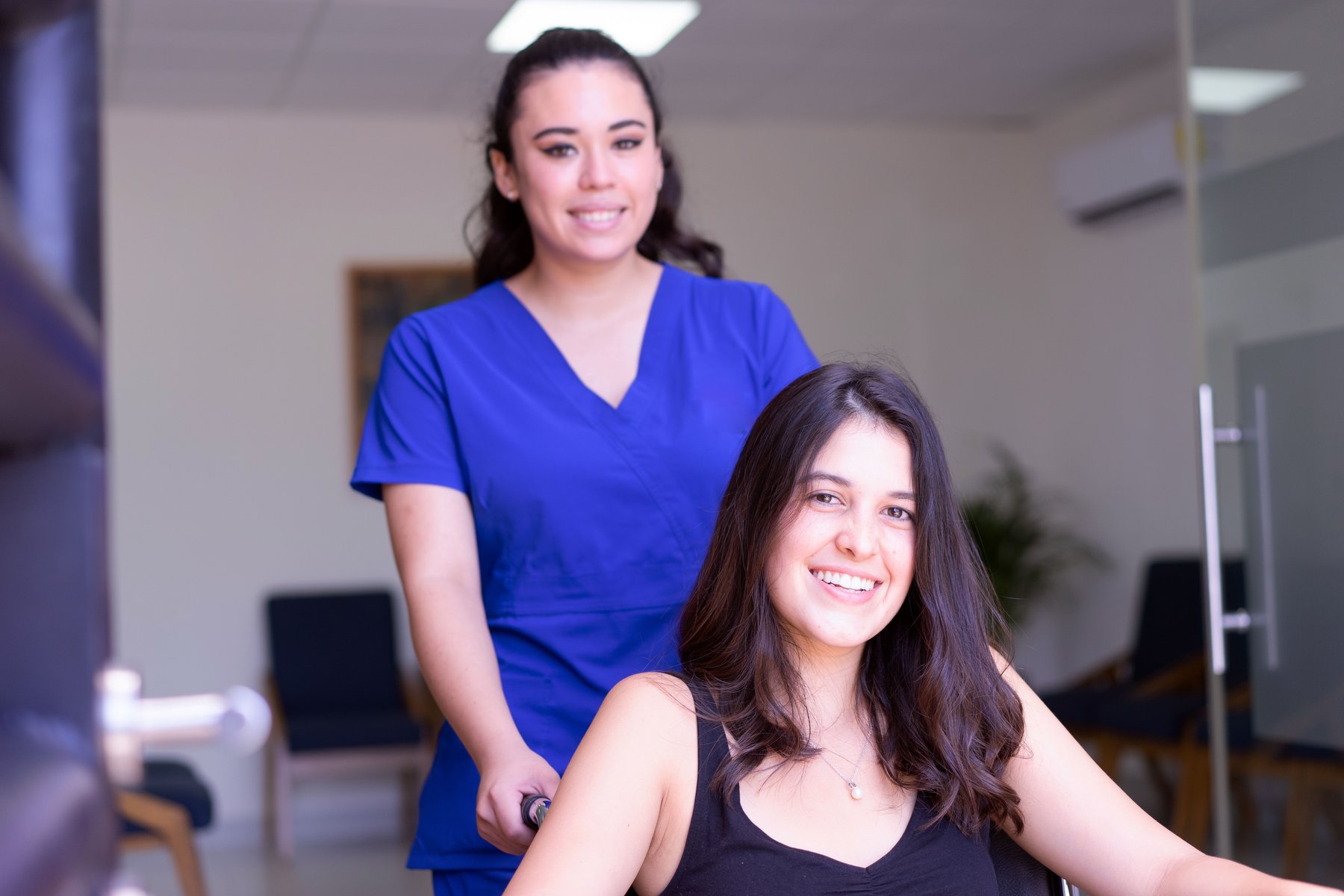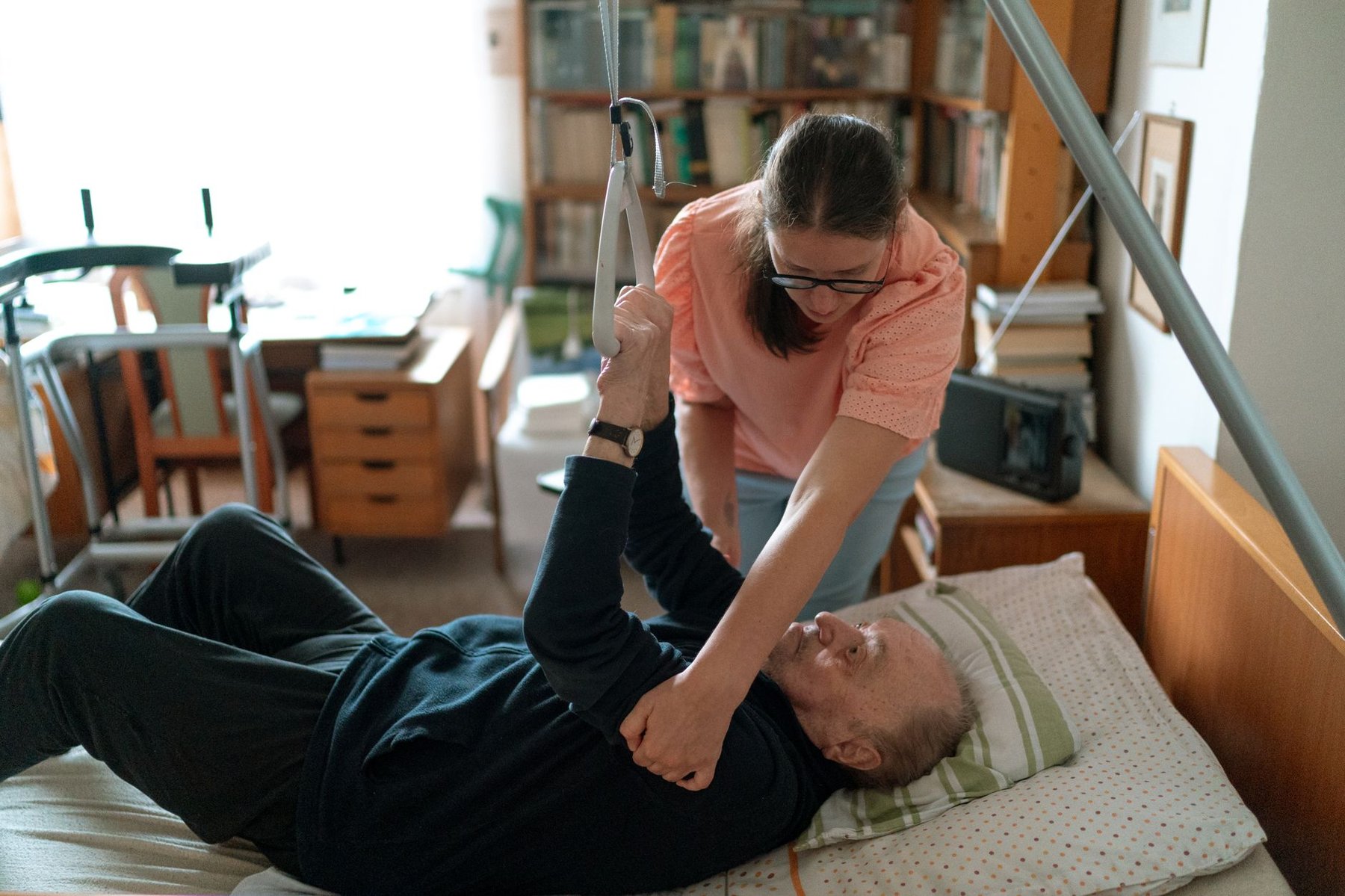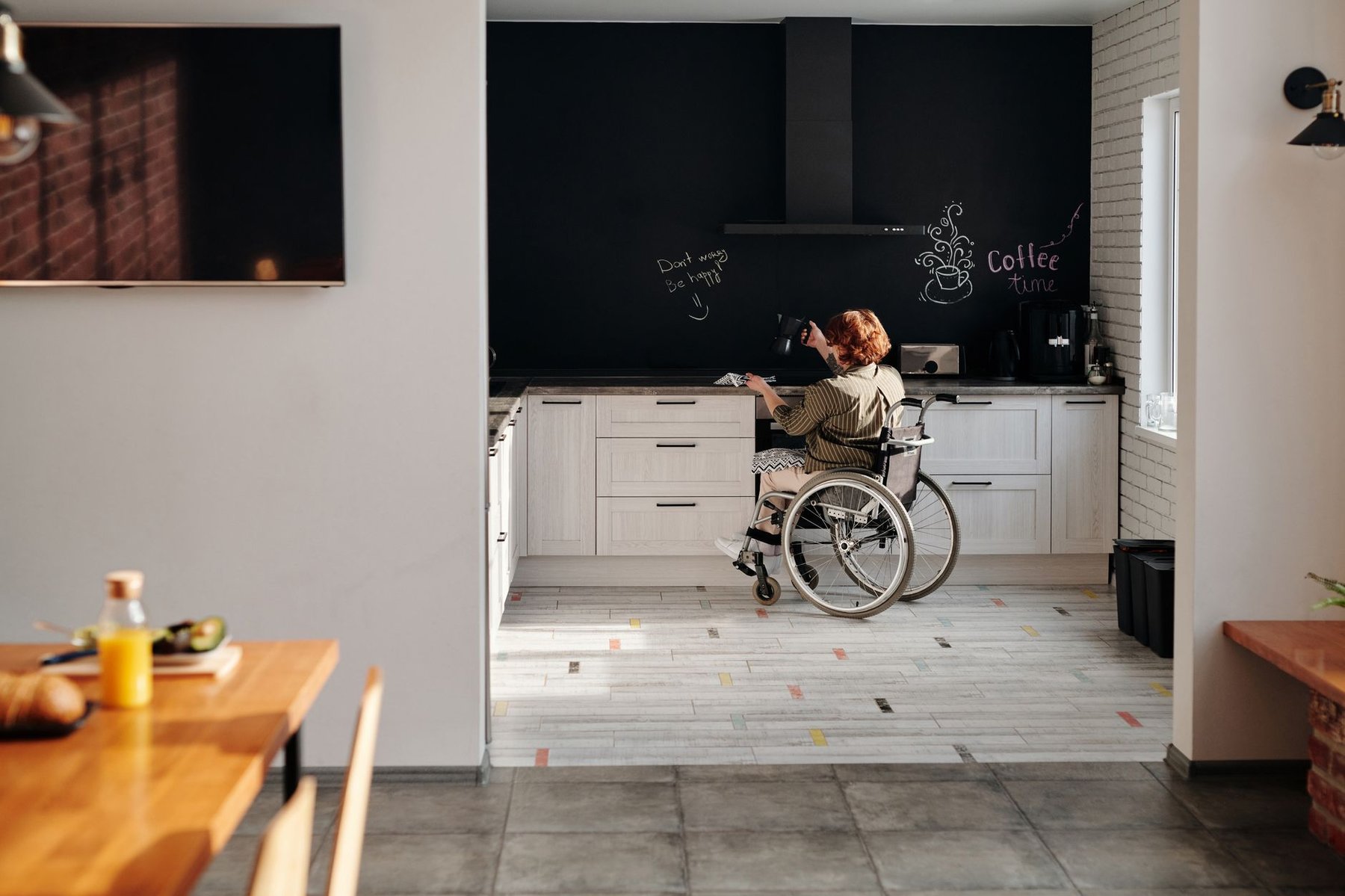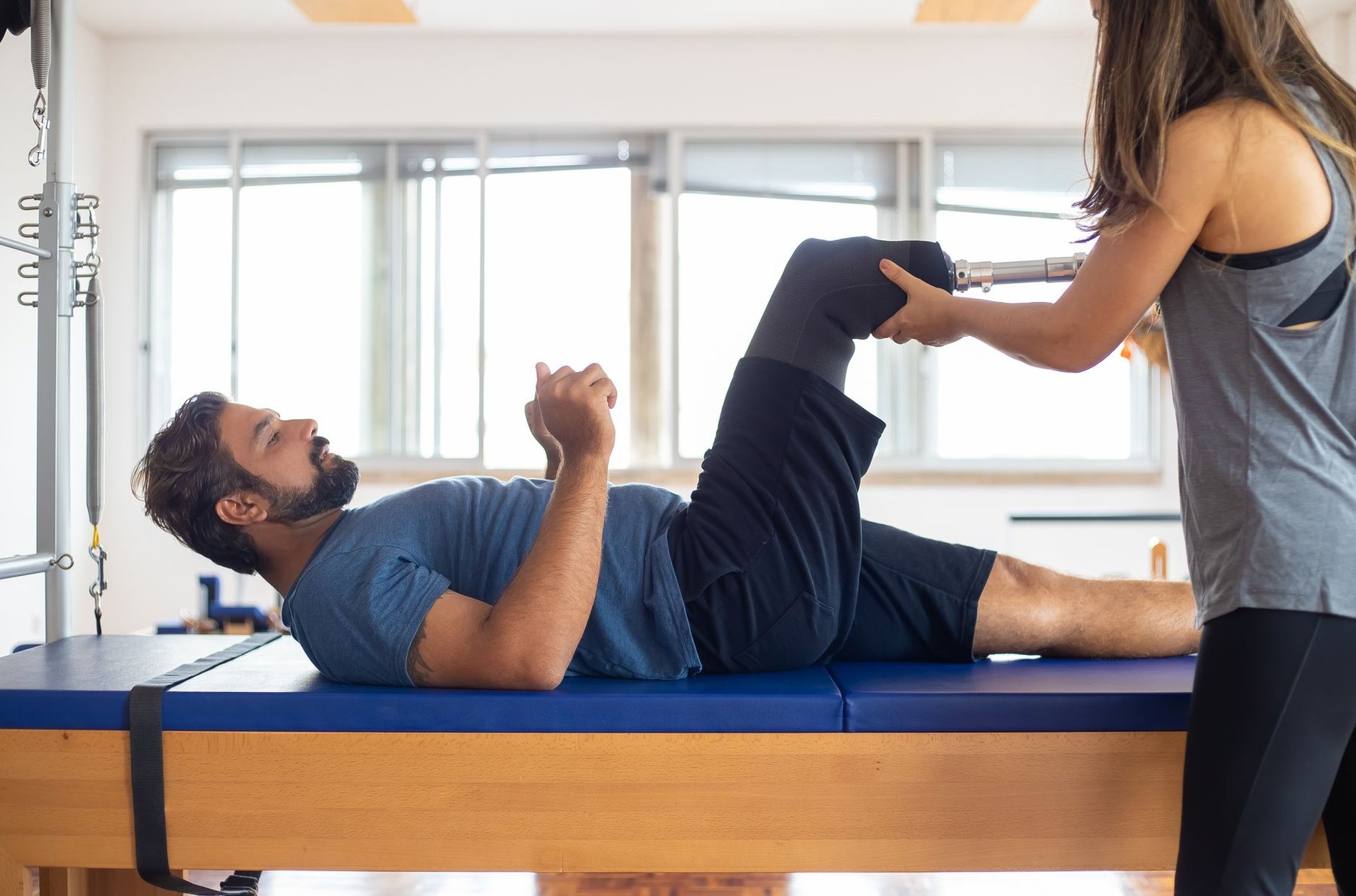
Good life after amputation support rebuilds three things in order: a daily routine that works at home, safe mobility (with or without a prosthesis), and a way back into community life. In Queensland that means coordinating the rehabilitation team, the Queensland Artificial Limb Service, the NDIS where eligible, and practical help at home, while keeping a close eye on mood after discharge.
Most guides on this topic assume the person was fully independent before surgery and only needs to get back to where they were. Many of the families we work with in Cairns, Townsville and Brisbane are starting from somewhere else. The person may already live with an intellectual disability, an acquired brain injury, or diabetes alongside kidney disease, and the family may already manage an NDIS plan. An amputation adds a new layer to an existing support picture. It does not wipe the slate clean, and the planning should reflect that.
The first weeks home set the pattern for everything else
The weeks after leaving hospital matter more than most families expect. Many people need short or long-term nursing care after discharge, including wound care and medication management, and hospital staff usually organise this before the person comes home. Rehabilitation is often an ongoing series of check-ups with the GP, specialists, physiotherapist, podiatrist, orthotist and prosthetist.
That is a lot of people. Our firm recommendation is to ask for a written discharge plan before leaving the ward, listing every service, the name or role of each contact, and the date of the first appointment. Families who leave with a verbal summary tend to spend the first fortnight chasing phone numbers instead of settling the person in.
Pain deserves its own conversation with the treating team. Wound pain, nerve pain, phantom limb pain and other phantom sensations (feeling or itching where the limb used to be) are all common and all real. None of them should be managed by guesswork at home. If something changes, the right path is the GP, the amputee clinic or the rehabilitation team, and support workers should be trained to notice and report changes rather than interpret them.
It also helps to understand why the amputation happened, because the cause shapes ongoing care. Vascular disease and diabetes account for a large share of lower-limb amputations in Australia, alongside trauma, infection and cancer. The regional picture is stark. Far North Queensland records 9.3 diabetes-related major amputations per 100,000 person-years, against 5.8 for Queensland as a whole (Journal of Foot and Ankle Research, 2021). For a person whose amputation followed diabetes, the remaining foot and the residual limb both need regular professional review, and that review belongs in the routine from day one.
Daily routines: rebuilding the day in small, deliberate pieces
Routine is the quiet engine of recovery. A predictable day lowers the mental load of a body that now moves differently, and it gives families a structure to hang support around. We suggest rebuilding the day in blocks rather than trying to restore everything at once: morning personal care, rehabilitation exercises, a meal, rest, one meaningful activity. Once one block runs smoothly, add the next.
The home itself usually needs adjusting. An occupational therapist should lead this, because the right changes depend on the person’s mobility, balance, transfer method and whether a wheelchair, walking frame or prosthesis is in the picture. Families can prepare for the occupational therapist home assessment by thinking through these questions:
- Which rooms does the person need to reach every day, and are the walkways clear and wide enough?
- How will showering and toileting work safely, and who will help?
- Is the bed at a height that suits transfers?
- Where will mobility aids and the prosthesis be stored overnight so they are within reach?
- What happens if the person needs to get up at night?
The family’s role is easy to get wrong in both directions. Families can help by asking the care team their own questions, gently prompting exercises, practising with mobility aids, setting the home up safely, and speaking up on the person’s behalf if the person wants that. The last condition is the important one. An adult who has just lost a limb has not lost the right to run their own life, and support that takes over decisions can slow recovery as surely as support that disappears.
Mobility and prosthetics: who pays for what in Queensland
Funding confuses almost every family we speak with, and the national guides rarely explain the Queensland pathway. The main prosthetics service in this state is the Queensland Artificial Limb Service (QALS), subsidised under the Medical Aids Subsidy Scheme (MASS). QALS works with public and private amputee outpatient clinics, where a rehabilitation team that includes a rehabilitation specialist or senior medical officer, a physiotherapist and an occupational therapist carries out clinical treatment and mobility assessments (Queensland Health, 2026).
Age is the dividing line for the long-term limb. Queensland Health states that people aged 64 or younger must register with the NDIS to access funding for a definitive (permanent) prosthesis (Queensland Health, 2026). Veterans with a DVA Gold Card go through the Department of Veterans’ Affairs.
| Support | Usual pathway in Queensland | What to check |
|---|---|---|
| Rehabilitation and assessment | Public or private amputee clinic working with QALS | Referral from the treating hospital or GP |
| Definitive prosthesis, aged 64 or younger | NDIS, assessed as assistive technology | Whether the person is already a participant or needs to apply |
| Definitive prosthesis, aged 65 or over | QALS through MASS | Eligibility, confirmed with the amputee clinic |
| Prosthesis for DVA Gold Card holders | Department of Veterans’ Affairs | DVA approval process |
| Wheelchairs, crutches and other aids | NDIS for participants; state equipment programs for others | Current waiting times and eligibility |
| Nursing care after discharge | Arranged by hospital staff before discharge | Duration and who to call if needs change |
For NDIS participants, a prosthesis is considered against the “reasonable and necessary” criteria that apply to all assistive technology, including value for money. In practice the request needs clear evidence of functional need, usually a report from the treating physiotherapist or prosthetist. The decision belongs to the NDIA, and no provider can promise an outcome. What families can control is the quality of the evidence and the timing of the request.
Cairns families have a public option close to home: Queensland Health lists an amputee clinic at Cairns Base Hospital on the Esplanade (Queensland Health, 2026). For people living further out in Far North Queensland, the travel to appointments becomes part of the support plan, and transport assistance is worth raising early with a support coordinator.
Equipment outside the prosthesis is where gaps have appeared. In 2020 Limbs 4 Life told a federal consultation that Queensland’s MASS provided nothing towards walking sticks, crutches or wheelchairs, leaving people who were not on the NDIS or in aged care reliant on state equipment programs with long waits (Limbs 4 Life, 2020). Arrangements may have shifted since then, so ask the amputee clinic what applies today. Remember too that a wheelchair often stays part of daily life even after a prosthesis arrives. Night-time bathroom trips, sore days and socket adjustments all make a backup option sensible.
Why the hardest emotional stretch can come after discharge
Families brace for grief in hospital. Fewer expect it at home. Research on psychological adjustment after amputation finds that depression and anxiety peak early, often ease during inpatient rehabilitation, can return after discharge, and generally remain elevated for up to about two years before approaching population levels (Disability and Rehabilitation, 2004; Clinical Rehabilitation, 2009).
That pattern makes sense once you live it. In hospital there is structure, staff, progress charts and other people going through the same thing. At home the visitors thin out, the rehabilitation milestones slow, and the person meets the everyday reality of their kitchen, their bathroom and their front step. Families sometimes read the dip as a sign that something has gone wrong. It is a known part of adjustment, and it is a reason to keep support steady rather than winding it back.
Discharge day is not the finish line. For many families it is the moment the real adjustment begins, and support should be strongest then, not weakest.
Practically, that means booking psychology or counselling before the person needs it, not after a crisis. A GP can talk through a mental health treatment plan, and an NDIS participant’s allied health supports may include psychology where the plan allows. Watch for withdrawal, changes in sleep or appetite, and loss of interest in activities the person used to enjoy, and pass those observations to the GP.
Carers need the same honesty. Our founders spent years caring for their own child with Sanfilippo Syndrome, and they know what it is to run on empty while telling everyone you are fine. Exhausted carers are not a failure of love. They are a predictable result of carrying a caring role without real breaks. Building genuine respite into the plan, where someone trusted takes over properly for a set block of time, gives the family real breaks and tends to make the whole arrangement more sustainable.
Community access, peer support and the regional reality
Getting back out into the world is where life after amputation stops being about recovery and starts being about living. Work, sport, church, fishing, the shops, a mate’s birthday: these are the things people talk about wanting back. Community participation support and transport assistance turn those wants into a weekly reality, and they are worth planning with the same care as personal care.
Driving and work often top the list. Returning to driving usually starts with a medical fitness-to-drive assessment from the GP or specialist, followed by an OT driving assessment that can recommend vehicle modifications such as hand controls, and the person must tell Queensland’s Department of Transport and Main Roads about a condition that affects their driving. Going back to work tends to go best as a gradual return with workplace adjustments agreed in advance, and it is worth asking about employment supports in an NDIS plan or through Disability Employment Services.
Peer support is one of the most valued resources in the amputee community. Limbs 4 Life, an incorporated charity since 2004, runs peer support visits that match people with trained volunteers who have their own experience of limb loss (healthdirect, 2024). The organisation can be reached on 1300 782 231. In Queensland, in-person amputee support groups appear to be concentrated in the south-east, with few options in Far North Queensland. For people in Cairns and further north, phone-based peer visits and online groups fill much of that gap.
We describe peer support carefully. It is recommended by the national peak body and valued by people who have used it, but we are not aware of trials that measure its clinical effect after lower-limb amputation. Treat it as a source of practical knowledge and connection that sits alongside clinical care, not as a replacement for it.
First Nations families deserve resources that reflect their communities. Asking Limbs 4 Life about culturally relevant resources for Aboriginal and Torres Strait Islander families is a good starting point. Given the higher rates of diabetes-related amputation in regional and remote areas, culturally safe, locally delivered support matters more in the north than anywhere else in the state. Our own team draws heavily from Pacific Island backgrounds, including Vanuatu, Papua New Guinea and Fiji, and our team’s shared commitment to caring for family and community shapes how we show up in people’s homes.
Families should also know that NDIS legislative changes are being phased in, which may affect how some support budgets are set when plans are created, reassessed or renewed. Before any reassessment, check the Department of Health’s current information and talk with a support coordinator or independent advocate about how the changes may apply to community participation and daily living supports in the person’s plan.
Building life after amputation support around an existing NDIS plan
For adults who already have an NDIS plan, an amputation is a significant change of circumstances. Participants and their nominees can tell the NDIA about the change and request a plan reassessment. Timing matters. A request made before the rehabilitation team has a clear view of the person’s new functional needs may rest on thin evidence, while waiting too long can leave the family covering the gap themselves. We suggest gathering reports from the physiotherapist, OT and prosthetist as soon as they have a settled picture, then working with a support coordinator to lodge the request. For questions about plan reviews, appeals or decision-making authority, seek advice from the support coordinator, an independent advocate or the relevant body.
The support itself changes too. Someone who previously needed help with community access may now need help with transfers, showering, putting on and removing a prosthesis according to the prosthetist’s instructions, and noticing skin changes on the residual limb so they can be reported to the clinical team. These are skills, and they need to be taught to the specific workers supporting the specific person. Generic training is not enough when a person’s mobility, communication and medical needs all interact.
This is the kind of care our model is built for. Our support workers deliver high-intensity personal care, including wound management, under registered nurse oversight, with regular client-specific training workshops so that the people in the home understand this particular person rather than a textbook version of them. We work alongside the participant’s occupational therapist, physiotherapist, dietitian, speech therapist and psychologist, and we provide Supported Independent Living, accommodation support, community participation, transport and life skills development for adults who need 1:1 support for long stretches of the day. Continuity is the goal: the same familiar faces, trained for the same person, so families can step back from the caring role with confidence.
Life after amputation is rarely a straight line. With a clear funding pathway, a home set up for the person’s new way of moving, support that holds steady after discharge and a genuine path back into the community, many people go on to build full and active lives.
If you would like to talk through what support could look like for your family member, we are happy to listen. Call us on 0425 168 053, email [email protected], or use the contact page on our website, and we can work through the person’s needs together at whatever pace suits you.
Can a person return to driving after an amputation in Queensland?
Many people do return to driving, sometimes with vehicle modifications such as hand controls or a moved accelerator. Queensland drivers must tell the Department of Transport and Main Roads about medical conditions that may affect safe driving. The GP or rehabilitation team can advise on fitness to drive, and an occupational therapist who specialises in driving assessments can recommend suitable modifications and lessons.
What help is available if someone is over 65 and not an NDIS participant?
People aged 65 and over generally access support through the aged care system rather than the NDIS. The starting point is My Aged Care, which arranges an assessment for home support or residential care. Prosthetic needs are discussed with the amputee clinic and QALS. A hospital social worker can help families understand which programs apply and how to apply before discharge.
Is help available with travel costs for appointments from remote Far North Queensland?
Queensland Health runs the Patient Travel Subsidy Scheme, which can help eligible public patients with travel and accommodation costs when they must travel a long distance for specialist care that is not available locally. The treating clinic or hospital can explain eligibility and the application process. NDIS participants may also be able to use transport funding in their plan for some travel needs.
Does every person who has an amputation end up using a prosthesis?
No. Whether a prosthesis is suitable depends on many factors, including overall health, the level of amputation, skin and wound healing, balance, energy levels and the person’s own goals. Some people choose a wheelchair as their main mobility option and lead active lives. The decision should be made by the person together with their rehabilitation team and prosthetist.
How can a person with intellectual disability be involved in decisions about their care after amputation?
Supported decision-making starts with information presented in a way the person understands, such as plain language, pictures, demonstrations or extra time. Familiar supporters and speech therapists can help with communication. Where formal decision-making arrangements exist or may be needed, families should seek guidance from the Office of the Public Guardian, an advocate or the treating team rather than assuming decisions on the person’s behalf.